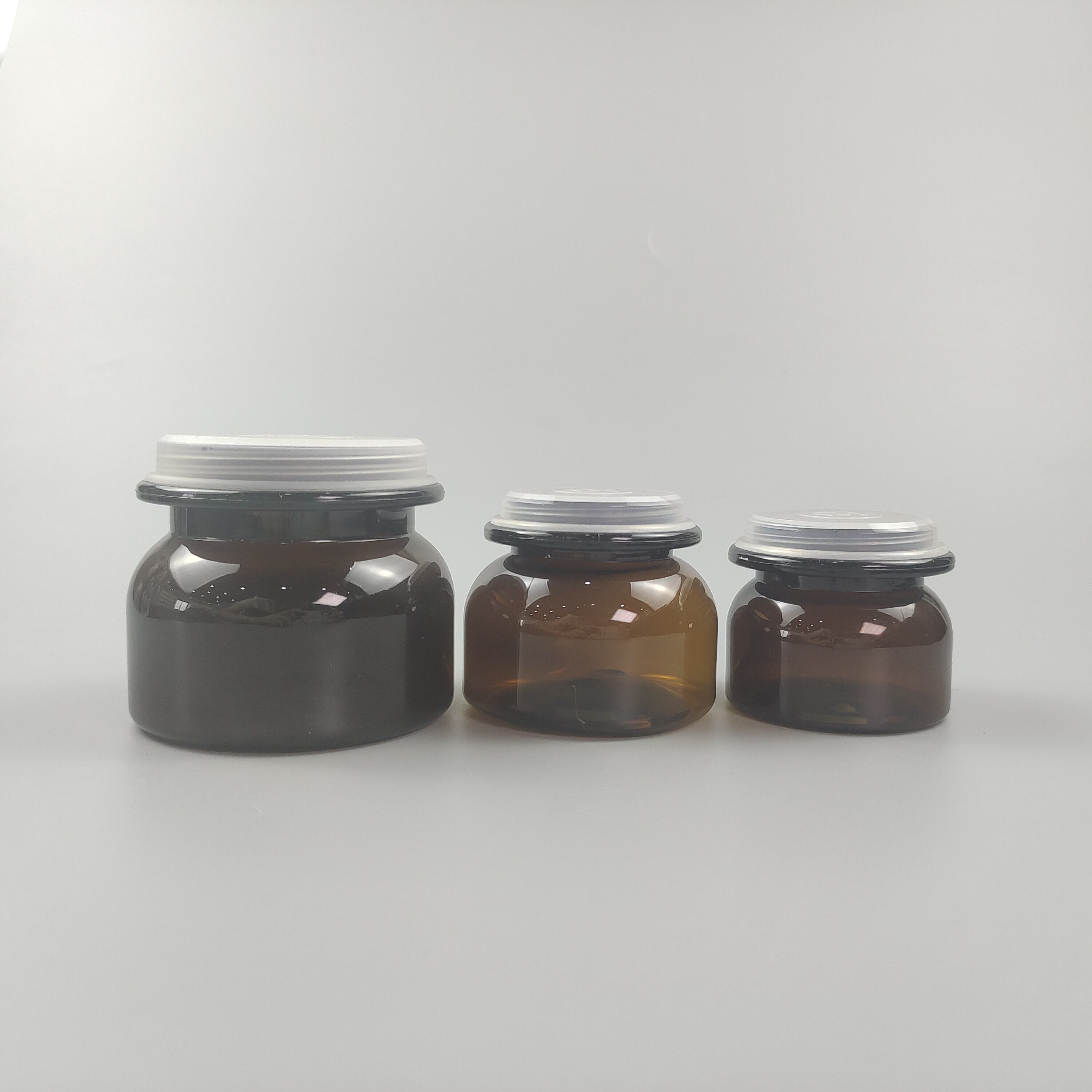
Maraming Gamit at Kompatibilidad sa Iba't Ibang Industriya
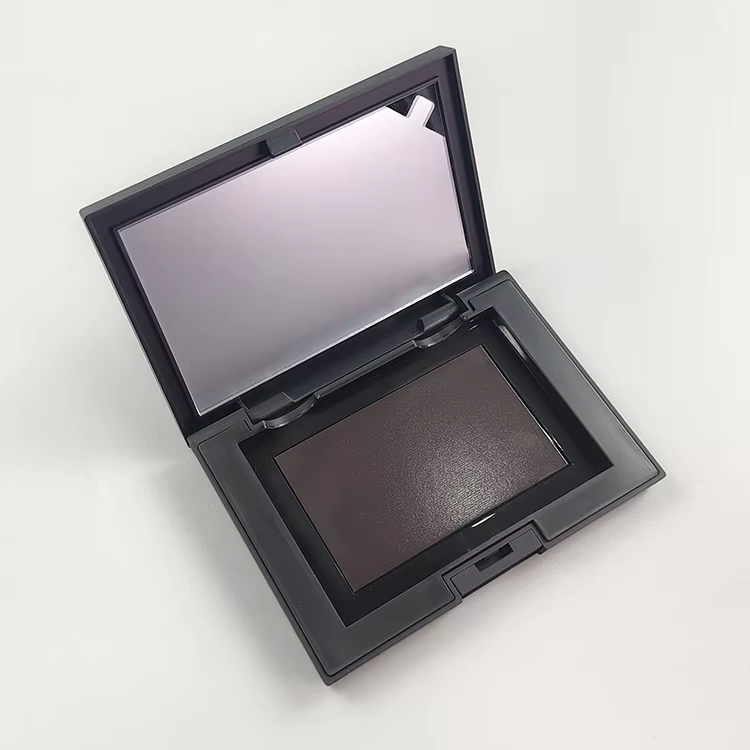
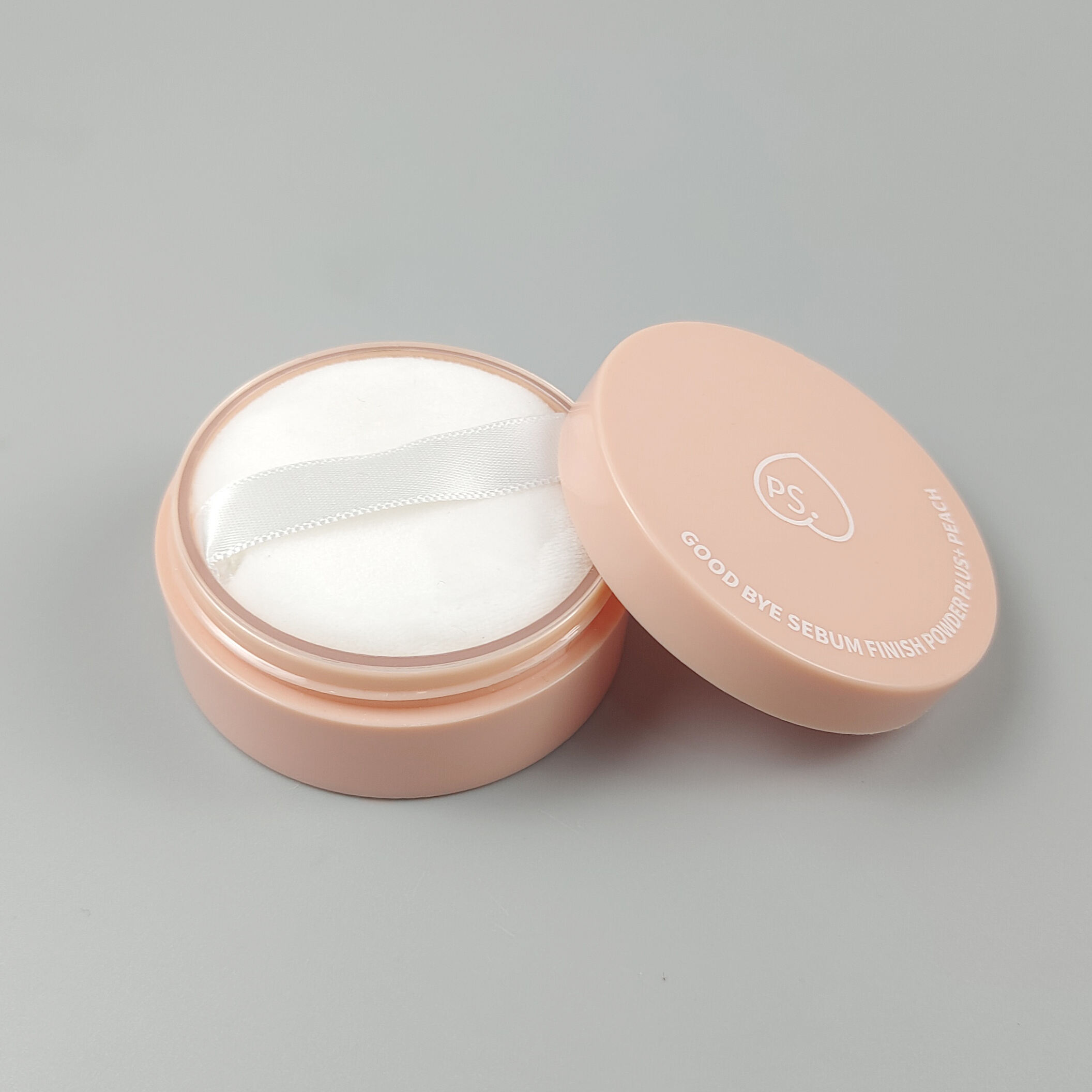
Ang mga plastik na lalagyan ng bote na may takip ay ginagamit sa iba't ibang industriya at aplikasyon dahil sa kanilang nababagong disenyo at malawak na kakayahang magkasya sa iba't ibang materyales. Ang industriya ng pharmaceutical ay umaasa sa mga lalagyan na ito para sa pag-iimbak ng mga aktibong sangkap, binuo na gamot, at malalaking dami ng pulbos na pharmaceutical habang sinusunod ang mahigpit na regulasyon tungkol sa kaligtasan ng materyales at pag-iwas sa kontaminasyon. Ginagamit ng mga operasyon sa pagproseso ng pagkain ang mga plastik na lalagyan ng bote na may takip para sa imbakan ng mga sangkap, panlasa, at handang produkto na nangangailangan ng proteksyon laban sa kahalumigmigan at mas mahabang panahon ng istok. Kasama sa mga aplikasyon sa laboratorio ang imbakan ng sample, mga lalagyan ng reagent, at koleksyon ng specimen kung saan ang kemikal na kahatulan at ligtas na takip ay mahalaga. Ang mga tagagawa ng kosmetiko ay umaasa sa mga lalagyan na ito para sa mga krem, pulbos, at iba pang produkto sa kagandahan na nangangailangan ng kaakit-akit na presentasyon at maaasahang pag-iimbak. Kasama sa mga aplikasyon ng kemikal sa industriya ang imbakan ng mga catalyst, additive, at espesyal na kemikal na nangangailangan ng resistensya sa kemikal at ligtas na paglalagay. Ang mga aplikasyon sa agrikultura ay kasama ang imbakan ng buto, pakete ng pataba, at lalagyan ng pestisidyo na dapat tumagal sa mga kondisyon sa labas at panatilihin ang epekto ng produkto. Ginagamit ng mga aplikasyon sa retail packaging ang visual appeal at mga opsyon sa pagpapasadya na available sa mga plastik na lalagyan ng bote na may takip para sa mga produkto para sa konsyumer. Ginagamit ng industriya ng pintura at coating ang mga lalagyan na ito para sa imbakan ng pigment, resin, at espesyal na additive na nangangailangan ng mahusay na kemikal na kahatulan. Kasama sa mga aplikasyon sa automotive ang imbakan ng lubricant, adhesive, at mga kemikal para sa pangangalaga na dapat lumaban sa ekstremong temperatura at eksposur sa kemikal. Ginagamit ng mga institusyong pang-edukasyon ang mga lalagyan na ito para sa ligtas at madaling imbakan ng mga materyales sa silid-aralan, mga kemikal sa laboratorio, at mga suplay para sa demonstrasyon. Umaasa ang mga pasilidad sa healthcare sa mga plastik na lalagyan ng bote na may takip para sa imbakan ng mga suplay sa medisina, pharmaceuticals, at mga sterile na materyales na nangangailangan ng pag-iwas sa kontaminasyon. Ginagamit ng mga operasyon sa manufacturing ang mga lalagyan na ito para sa imbakan ng maliit na bahagi, fastener, at mga komponente sa assembly na nangangailangan ng organisasyon at proteksyon. Ginagamit ng industriya ng electronics ang mga espesyal na bersyon para sa imbakan ng mga komponente na sensitibo sa kahalumigmigan at static electricity. Umaasa ang mga pasilidad sa pananaliksik sa mga lalagyan na ito para sa pangmatagalang pag-iimbak ng sample at mga aplikasyon sa archival storage. Ang mga sertipikasyon sa kalidad tulad ng FDA, USP, at mga pamantayan ng ISO ay nagpapatunay na ang mga ito ay angkop para sa mga reguladong industriya at mahahalagang aplikasyon kung saan hindi maaaring kompromisa ang pagganap at kaligtasan.

 EN
EN