
 EN
EN



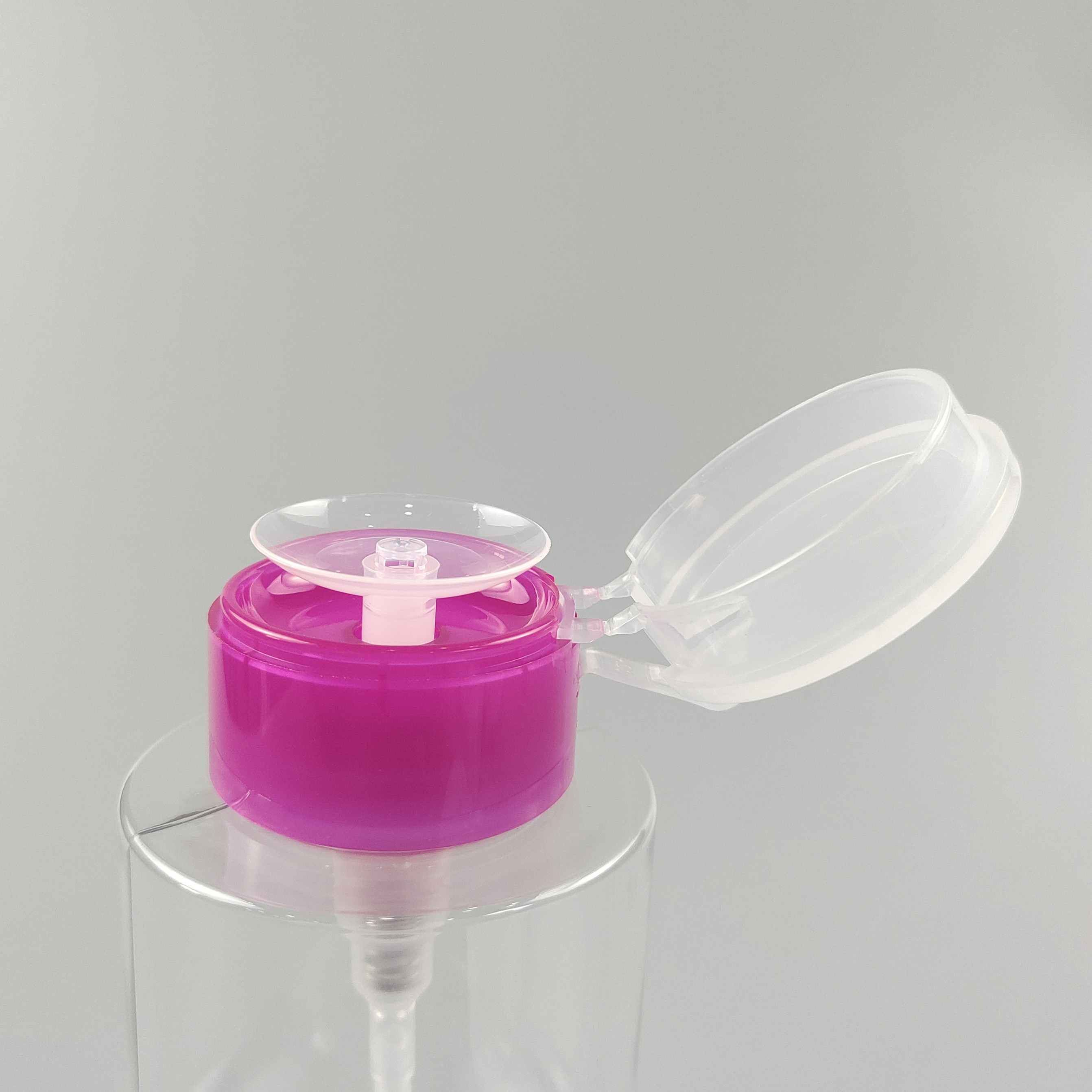
The ปั๊มนิ้ว มีบทบาทสำคัญต่อการรักษาคุณภาพด้านสุขอนามัยในร้านเสริมสวย ร้านสปา และสถานที่ทำความสะอาดระดับมืออาชีพ การเข้าใจว่าโครงสร้างของปั๊มสำหรับใช้กับเล็บช่วยป้องกันการปนเปื้อนได้อย่างไร จึงเป็นสิ่งจำเป็นสำหรับผู้ที่ทำงานกับระบบจ่ายผลิตภัณฑ์แบบของเหลว ซึ่งต้องปฏิบัติตามมาตรการด้านสุขอนามัยอย่างเคร่งครัด รูปแบบการออกแบบของปั๊มสำหรับใช้กับเล็บส่งผลโดยตรงต่อความสมบูรณ์ของผลิตภัณฑ์ ความปลอดภัยของผู้ใช้ และการปฏิบัติตามกฎระเบียบด้านสุขภาพ ปั๊มสำหรับใช้กับเล็บที่ผ่านการออกแบบและวิศวกรรมอย่างเหมาะสมจะรับประกันว่าแต่ละการใช้งานจะส่งมอบผลิตภัณฑ์ที่สะอาดและไม่มีการปนเปื้อน พร้อมทั้งป้องกันไม่ให้แบคทีเรีย ฝุ่นละออง และมลพิษจากสิ่งแวดล้อมเข้าสู่ถังเก็บของระบบจ่ายผลิตภัณฑ์
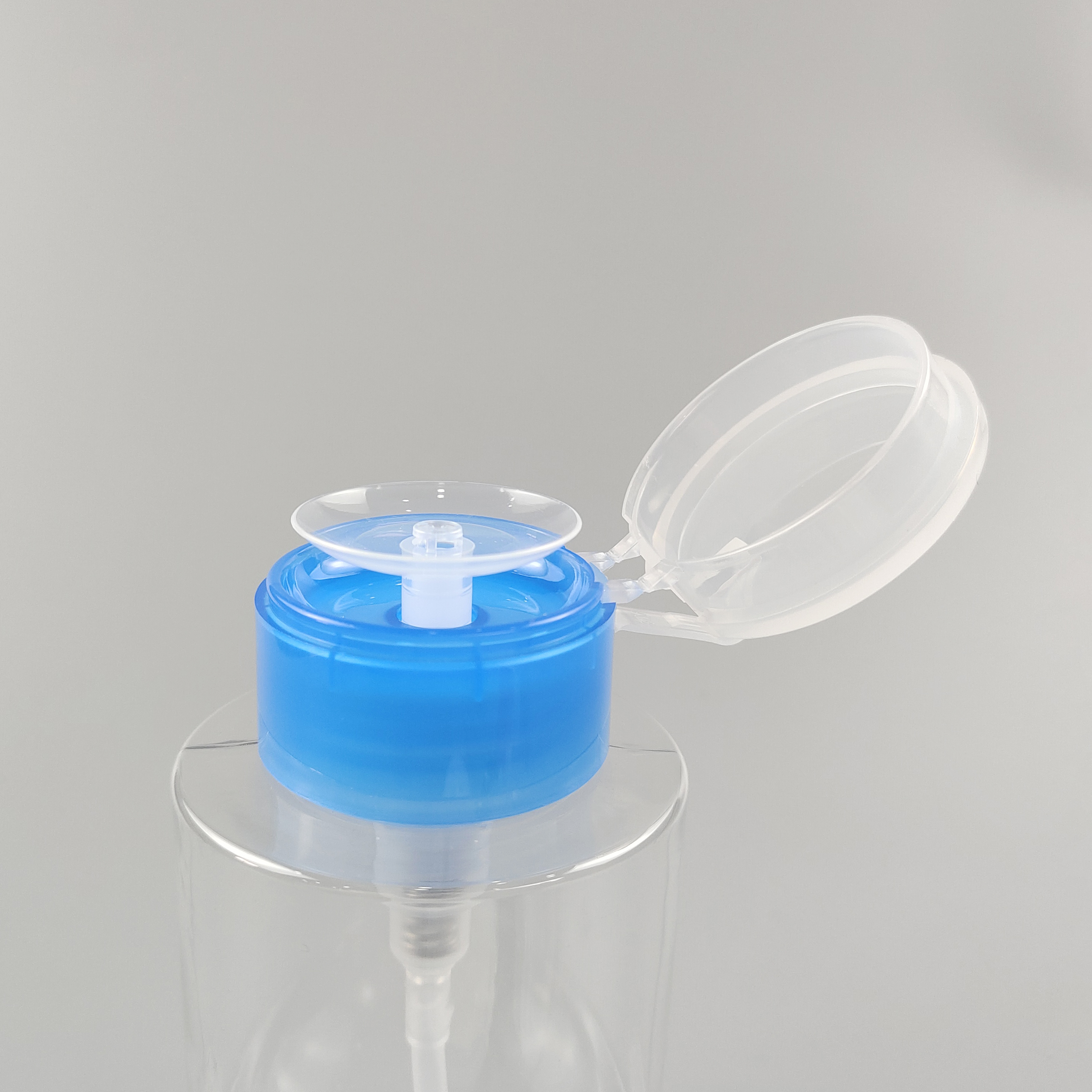
สิ่งอำนวยความสะดวกระดับมืออาชีพขึ้นอยู่กับระบบปั๊มสำหรับผลิตภัณฑ์ทาเล็บ ซึ่งต้องให้สมรรถนะที่เหนือกว่าการใช้งานพื้นฐานเท่านั้น ปั๊มสำหรับผลิตภัณฑ์ทาเล็บจำเป็นต้องสร้างอุปสรรคทั้งทางกายภาพและทางเคมี เพื่อป้องกันไม่ให้เกิดการปนเปื้อนข้ามระหว่างผลิตภัณฑ์ ปกป้องเนื้อหาภายในจากสิ่งปนเปื้อนจากภายนอก และรักษาความเสถียรของผลิตภัณฑ์ให้คงที่ตลอดอายุการเก็บรักษา แบบปั๊มสำหรับผลิตภัณฑ์ทาเล็บขั้นสูงนั้นผสานกลไกการป้องกันการปนเปื้อนหลายประการเข้าด้วยกัน เพื่อให้บรรลุมาตรฐานด้านสุขอนามัยของอุตสาหกรรมเกินกว่าข้อกำหนดทั่วไป คุณลักษณะเชิงโครงสร้างเหล่านี้ ทำให้รุ่นปั๊มสำหรับผลิตภัณฑ์ทาเล็บประสิทธิภาพสูงแตกต่างอย่างชัดเจนจากรุ่นพื้นฐาน และสนับสนุนโดยตรงต่อการปฏิบัติตามกฎระเบียบของอุตสาหกรรมเครื่องสำอางและข้อกำหนดของหน่วยงานสาธารณสุข
ความสมบูรณ์ของซีลและการออกแบบเส้นทางการไหลของของเหลว
ส่วนประกอบหลักของซีลในโครงสร้างปั๊มสำหรับผลิตภัณฑ์ทาเล็บ
ปั๊มสำหรับทาเล็บอาศัยชิ้นส่วนซีลที่มีความแม่นยำสูงเพื่อสร้างแนวรั่วแบบกันอากาศระหว่างถังเก็บผลิตภัณฑ์กับสภาพแวดล้อมภายนอก ซีลหลักของปั๊มสำหรับทาเล็บมักตั้งอยู่บริเวณรอยต่อระหว่างกระบอกสูบกับก้านปั๊ม ซึ่งเป็นจุดที่ก้านลูกสูบเข้าสู่ตัวปั๊ม ซีลดังกล่าวต้องรักษาระดับแรงกดอย่างสม่ำเสมอตลอดหลายพันรอบของการใช้งาน โดยพร้อมกันนั้นยังต้องป้องกันไม่ให้ของเหลวรั่วย้อนกลับออกสู่บรรยากาศ ปั๊มสำหรับทาเล็บคุณภาพสูงส่วนใหญ่ใช้วัสดุเอลาสโตเมอร์ที่มีค่าความแข็งเฉพาะและคุณสมบัติการทนสารเคมีที่เหมาะสม เพื่อให้มั่นใจว่าซีลจะทำงานได้อย่างเชื่อถือได้กับสูตรผลิตภัณฑ์หลากหลายประเภท ตั้งแต่สารละลายน้ำ น้ำมัน ไปจนถึงสารแขวนลอยที่มีแอลกอฮอล์เป็นส่วนประกอบ
วาล์วควบคุมทิศทางเดียวแบบทุติยภูมิในโครงสร้างปั๊มสำหรับทาเล็บ ทำหน้าที่สร้างทางไหลแบบทิศทางเดียว เพื่อป้องกันการไหลย้อนกลับและปรากฏการณ์สุญญากาศที่อาจดึงอากาศที่ปนเปื้อนเข้าสู่ถังเก็บ เมื่อตัวลูกสูบของปั๊มสำหรับทาเล็บเคลื่อนกลับสู่ตำแหน่งพัก วาล์วนี้จะปิดโดยอัตโนมัติ ทำให้ผลิตภัณฑ์ที่อยู่ภายใต้แรงดันถูกกักเก็บไว้ภายในท่อดูด (dip tube) ขณะเดียวกันก็ป้องกันไม่ให้อากาศจากบรรยากาศไหลเข้ามา คุณสมบัตินี้ของปั๊มสำหรับทาเล็บมีความสำคัญยิ่ง เพราะอากาศที่ค้างอยู่ภายในถังเก็บอาจสะสมจุลินทรีย์ ความชื้น และสารปนเปื้อนที่ทำให้เกิดปฏิกิริยาออกซิเดชัน โครงสร้างวาล์วควบคุมทิศทางเดียวในระบบปั๊มสำหรับทาเล็บรุ่นใหม่ มักใช้กลไกแบบลูกบอลกับสปริง หรือแบบแผ่นปีกผีเสื้อ (flap) ซึ่งตอบสนองต่อความต่างของแรงดันได้อย่างแม่นยำ เพื่อให้เกิดการปิดอย่างรวดเร็ว โดยไม่ก่อให้เกิดบริเวณที่ไม่มีการไหล (dead zones) ซึ่งอาจเป็นแหล่งเพาะพันธุ์แบคทีเรีย
การป้องกันท่อดูด (dip tube) และการควบคุมการไหล
ท่อดูดภายในปั๊มสำหรับเล็บยื่นลงจากหัวปั๊มเข้าไปในถังเก็บผลิตภัณฑ์ ทำหน้าที่เป็นทางเดินรับของเหลว องค์ประกอบชิ้นนี้ของปั๊มสำหรับเล็บต้องออกแบบให้ป้องกันการเกิดกระแสวนขณะดูด ซึ่งอาจทำให้เกิดฟองอากาศและทำให้ผลิตภัณฑ์สัมผัสกับออกซิเจนจนเกิดการเสื่อมสภาพ ท่อดูดแบบขั้นสูงสำหรับปั๊มเล็บมีปลายรับที่โค้งหรือมีตะแกรง ช่วยกระจายแรงดูดอย่างสม่ำเสมอ ป้องกันการเกิดการไหลปั่นป่วน และรักษาการไหลแบบลามินาร์ไว้ได้ ท่อดูดของปั๊มเล็บยังต้องทนต่อการเสื่อมสภาพจากปฏิกิริยาเคมีเมื่อสัมผัสกับผลิตภัณฑ์ รักษาความแข็งแรงของโครงสร้างและความสม่ำเสมอของการปิดผนึกตลอดอายุการใช้งานของตัวจ่าย
เส้นผ่านศูนย์กลางและความยาวของท่อดูดสำหรับปั๊มทาเล็บได้รับคำนวณอย่างแม่นยำเพื่อจ่ายปริมาตรเริ่มต้นที่ถูกต้อง และป้องกันไม่ให้เติมเกินซึ่งอาจทำให้หัวปั๊มปนเปื้อน ท่อที่มีขนาดใหญ่เกินไปอาจทิ้งคราบผลิตภัณฑ์ไว้ในท่อระหว่างการใช้งานแต่ละครั้ง กลายเป็นแหล่งเพาะพันธุ์แบคทีเรียและเชื้อรา โครงสร้างปั๊มทาเล็บออกแบบมาให้ท่อดูดจมอยู่ใต้ระดับผลิตภัณฑ์อย่างสมบูรณ์ตลอดเวลา แม้ระดับผลิตภัณฑ์จะลดลง จึงรักษาแรงดูดที่สม่ำเสมอ และป้องกันไม่ให้อากาศเข้าสู่ระบบในรอบการจ่ายผลิตภัณฑ์ครั้งสุดท้าย การพิจารณาเชิงโครงสร้างนี้ของปั๊มทาเล็บช่วยป้องกันไม่ให้ผลิตภัณฑ์และอากาศผสมกันขณะจ่าย ซึ่งจะส่งผลเสียต่อคุณภาพผลิตภัณฑ์ และทำให้สิ่งปนเปื้อนจากบรรยากาศเข้าสู่ทางเดินการจ่ายโดยตรง
การออกแบบห้องและแนวป้องกันการปนเปื้อน
สถาปัตยกรรมหัวปั๊มและการป้องกันโพรง
ห้องส่วนหัวของปั๊มชนิดเล็บ ถือเป็นโซนควบคุมการปนเปื้อนที่สำคัญที่สุด เนื่องจากสัมผัสโดยตรงกับรูเปิดสำหรับจ่ายผลิตภัณฑ์ ห้องส่วนหัวของปั๊มชนิดเล็บนี้ต้องคงสภาพปิดสนิทและได้รับการป้องกันไม่ให้ฝุ่น จุลินทรีย์ในอากาศ และความชื้นจากสิ่งแวดล้อมเข้ามาปนเปื้อน ปัจจุบัน ปั๊มชนิดเล็บรุ่นใหม่ๆ ออกแบบพื้นผิวด้านในให้มีลักษณะเป็นร่องหรือโค้งนูน เพื่อป้องกันไม่ให้ของเหลือค้างสะสมเป็นแอ่ง ซึ่งอาจเป็นแหล่งเพาะพันธุ์จุลินทรีย์ระหว่างการใช้งานแต่ละครั้ง นอกจากนี้ ส่วนหัวของปั๊มชนิดเล็บยังมีร่องระบายน้ำที่ช่วยให้ผลิตภัณฑ์ถูกขับออกอย่างสมบูรณ์ในระหว่างจังหวะปล่อย จึงไม่เหลือของเหลวค้างอยู่ในบริเวณใดๆ
ส่วนประกอบฝาครอบด้านบนของปั๊มสำหรับทาเล็บทำหน้าที่เป็นอุปสรรคต่อการปนเปื้อนจากภายนอกเมื่อเครื่องจ่ายไม่ได้ใช้งาน ฝาครอบด้านบนของปั๊มสำหรับทาเล็บที่ออกแบบอย่างเหมาะสมจะสร้างการปิดผนึกแบบกันอากาศสนิท ซึ่งช่วยป้องกันไม่ให้ฝุ่นละอองเข้าไปภายใน และปกป้องปลายของเครื่องจ่ายจากการสัมผัสกับพื้นผิวต่าง ๆ ที่อาจมีเชื้อโรคสะสมอยู่ คุณลักษณะนี้ของปั๊มสำหรับทาเล็บมีความสำคัญยิ่งในสภาพแวดล้อมของร้านเสริมสวยระดับมืออาชีพ ซึ่งพนักงานหลายคนและลูกค้าต่างใช้พื้นที่ร่วมกัน วัสดุที่ใช้ทำฝาครอบด้านบนของปั๊มสำหรับทาเล็บต้องเข้ากันได้ดีกับสูตรผลิตภัณฑ์ ทนต่อการเสื่อมสภาพ และสามารถถอดออกหรือใส่กลับเข้าไปใหม่ได้อย่างง่ายดายโดยไม่กระทบต่อความสมบูรณ์ของการปิดผนึกของหัวปั๊มด้านล่าง
กลไกการกระตุ้นและการกันอนุภาคไม่ให้ผ่าน
คันโยกเปิด-ปิดปั๊มสำหรับน้ำยาทาเล็บเคลื่อนที่ตามแนวโค้ง ซึ่งต้องออกแบบให้ป้องกันไม่ให้อนุภาคใดๆ เข้าแทรกซึมผ่านบริเวณรอยต่อระหว่างก้านปั๊มกับตัวเรือนปั๊ม ทุกครั้งที่กดลูกสูบของปั๊มสำหรับน้ำยาทาเล็บ จะทำให้กลไกสปริงถูกอัดแน่น จากนั้นสปริงจะดันผลิตภัณฑ์ผ่านช่องจ่ายออกและไหลออกมาทางรูเปิด วงจรการเปิด-ปิดปั๊มสำหรับน้ำยาทาเล็บนี้ต้องดำเนินการให้เสร็จสมบูรณ์อย่างมีประสิทธิภาพ เพื่อลดการดูดอากาศเข้าไปพร้อมกับผลิตภัณฑ์ให้น้อยที่สุด และป้องกันไม่ให้อากาศภายนอกที่ปนเปื้อนถูกดูดเข้าสู่ห้องปั๊ม ก้านปั๊มสำหรับน้ำยาทาเล็บได้รับการปิดผนึกบริเวณจุดที่ก้านทะลุผ่านเข้าสู่ตัวเรือน โดยใช้ค่าความคลาดเคลื่อนเชิงความแม่นยำสูงร่วมกับปะเก็นทำจากวัสดุยางยืด (elastomer) เพื่อป้องกันไม่ให้เกิดช่องว่างใดๆ ที่อาจเป็นทางให้แบคทีเรียหรือฝุ่นละอองแทรกซึมเข้าไป
รุ่นปั๊มเล็บขั้นสูงใช้ช่องระบายอากาศที่ติดตั้งสปริง ซึ่งจะเปิดเฉพาะในช่วงจังหวะกดลง และปิดทันทีหลังการปล่อยลมเสร็จสิ้น คุณลักษณะนี้ของปั๊มเล็บช่วยป้องกันการเกิดสุญญากาศที่อาจดูดอากาศเข้าสู่ถังเก็บ ซึ่งอาจนำแบคทีเรีย ฝุ่น และความชื้นเข้ามาด้วย ช่องระบายอากาศของปั๊มเล็บออกแบบด้วยเมมเบรนแบบกันน้ำหรือวัสดุแบบเซนเทอร์ (sintered) ที่ช่วยให้แรงดันภายในสมดุลได้ แต่ยังคงกั้นละอองของเหลวและสิ่งปนเปื้อนจากภายนอกไว้ได้ นวัตกรรมของปั๊มเล็บนี้ทำให้ไม่จำเป็นต้องใช้รูระบายอากาศขนาดใหญ่ที่เปิดสู่บรรยากาศ ซึ่งอาจลดระดับความปลอดเชื้อของผลิตภัณฑ์ในสภาพแวดล้อมที่ควบคุมไม่ได้ เช่น สถานที่ให้บริการมืออาชีพ
การเลือกวัสดุและมาตรฐานผิวสัมผัส
ทางเลือกของพอลิเมอร์เพื่อความสอดคล้องตามข้อกำหนดด้านสุขอนามัย
กระบอกปั๊มสำหรับเล็บและหัวปั๊มมักผลิตจากพอลิเมอร์โพลีโพรพิลีนหรือพอลิสไตรีน ซึ่งคัดเลือกมาเพื่อความต้านทานต่อสารเคมี ความทนทาน และความสามารถในการต้านการยึดเกาะของจุลินทรีย์ วัสดุปั๊มสำหรับเล็บเหล่านี้ต้องสอดคล้องกับมาตรฐานการสัมผัสอาหารหรือมาตรฐานระดับเภสัชกรรม ขึ้นอยู่กับข้อกำหนดการใช้งานของผลิตภัณฑ์ การตกแต่งผิวของปั๊มสำหรับเล็บมีความสำคัญไม่แพ้การเลือกวัสดุ เพราะรอยขีดข่วน หลุม หรือความไม่เรียบของผิวในระดับจุลภาคจะกลายเป็นแหล่งสะสมที่แบคทีเรียสามารถเจริญเติบโตได้ แม้จะมีการทำความสะอาดอย่างสม่ำเสมอ ผลิตภัณฑ์ปั๊มสำหรับเล็บระดับมืออาชีพจึงผ่านกระบวนการขัดเงาและการตกแต่งผิวเพื่อให้ได้พื้นผิวเรียบเนียน โดยมีค่าความหยาบของผิวต่ำกว่า 0.4 ไมโครนิ้ว
ส่วนประกอบของวาล์วภายในปั๊มสำหรับทาเล็บ รวมถึงลูกบอลวาล์วแบบหนึ่งทิศทางและสปริง มักผลิตจากเหล็กกล้าไร้สนิมหรืออีลาสโตเมอร์พิเศษที่ต้านทานการกัดกร่อนและการเกิดไบโอฟิล์มจากจุลินทรีย์ การออกแบบปั๊มสำหรับทาเล็บนี้ช่วยป้องกันไม่ให้อนุภาคสนิมปนเปื้อนลงในผลิตภัณฑ์ และรับประกันว่าวาล์วแบบหนึ่งทิศทางจะทำงานได้อย่างเชื่อถือได้แม้หลังการเก็บรักษานานๆ ซีลอีลาสโตเมอร์ของปั๊มสำหรับทาเล็บบางรุ่นถูกผสมสารยับยั้งจุลินทรีย์เพื่อเพิ่มเกราะป้องกันเสริมจากการเจริญเติบโตของแบคทีเรียและเชื้อรา ข้อกำหนดด้านวัสดุของปั๊มสำหรับทาเล็บเหล่านี้สนับสนุนโดยตรงต่อข้อกำหนดการรับรองด้านสุขอนามัยและมาตรฐานการปฏิบัติตามกฎระเบียบของสถานประกอบการระดับมืออาชีพ
การบำบัดผิวและการต้านทานจุลินทรีย์
การผลิตปั๊มสำหรับเล็บแบบทันสมัยรวมถึงการเคลือบผิวที่ช่วยเพิ่มความต้านทานต่อสิ่งปนเปื้อน ผ่านการปรับเปลี่ยนองค์ประกอบทางเคมีของพอลิเมอร์ หรือการเคลือบสารป้องกันเพิ่มเติม ผู้ผลิตปั๊มสำหรับเล็บบางรายใช้พอลิเมอร์ที่ทนต่อรังสีอัลตราไวโอเลต ซึ่งช่วยป้องกันการเสื่อมสภาพจากแสง โดยป้องกันไม่ให้ผิวเกิดรอยแตกร้าวซึ่งอาจเป็นช่องทางให้จุลินทรีย์แทรกซึมเข้าไป การเคลือบผิวปั๊มสำหรับเล็บดังกล่าวช่วยยืดอายุการใช้งานของผลิตภัณฑ์ ขณะเดียวกันก็รักษาความแน่นสนิทของซีลให้คงอยู่ เพื่อให้การป้องกันด้านสุขอนามัยดำเนินต่อไปได้อย่างมีประสิทธิภาพ ส่วนผิวด้านในของปั๊มสำหรับเล็บมักผ่านการผสมสารเพิ่มประสิทธิภาพต้านจุลชีพลงในพอลิเมอร์ ซึ่งสร้างสภาพแวดล้อมที่ไม่เอื้ออำนวยต่อการเจริญเติบโตของแบคทีเรีย โดยไม่ปล่อยสารเคมีที่เป็นอันตรายออกสู่ผลิตภัณฑ์
การออกแบบปั๊มสำหรับทาเล็บต้องคำนึงถึงขั้นตอนการทำความสะอาดและฆ่าเชื้อที่ใช้ในสถานที่ให้บริการมืออาชีพ ซึ่งเครื่องจ่ายจะผ่านกระบวนการฆ่าเชื้อเป็นประจำด้วยแอลกอฮอล์ สารฟอกขาว หรือการใช้เครื่องนึ่งฆ่าเชื้อ (autoclave) ปั๊มสำหรับทาเล็บคุณภาพสูงถูกสร้างขึ้นเพื่อทนต่อการสัมผัสสารเคมีซ้ำๆ และการเปลี่ยนแปลงของอุณหภูมิ โดยไม่เกิดการเสื่อมสภาพของวัสดุ การบิดเบี้ยว หรือการรั่วของซีล ความทนทานของปั๊มสำหรับทาเล็บนี้ทำให้แน่ใจว่าระบบป้องกันการปนเปื้อนยังคงมีประสิทธิภาพตลอดอายุการใช้งานของเครื่องจ่าย ซึ่งโดยทั่วไปครอบคลุมหลายพันครั้งของการกดใช้งาน ตลอดระยะเวลาหลายเดือนหรือหลายปีของการใช้งานแบบมืออาชีพ
คำถามที่พบบ่อย
คุณสมบัติการออกแบบเฉพาะใดบ้างที่ทำให้ปั๊มสำหรับทาเล็บมีประสิทธิภาพในการป้องกันการปนเปื้อน
ปั๊มสำหรับน้ำยาทาเล็บที่มีประสิทธิภาพจะต้องมีคุณสมบัติหลายประการเพื่อป้องกันการปนเปื้อน ได้แก่ ซีลแบบแม่นยำบริเวณรอยต่อระหว่างกระบอกสูบกับก้านปั๊ม วาล์วควบคุมการไหลย้อนกลับ (check valve) ที่ป้องกันการไหลย้อนกลับของสาร หลอดดูด (dip tube) ที่มีระบบกรองบริเวณปลายที่สัมผัสกับสาร โครงสร้างหัวปั๊มที่ปิดสนิท และฝาครอบด้านบน (overcap system) ที่ปกป้องปลายจ่ายสาร ปั๊มสำหรับน้ำยาทาเล็บยังต้องมีช่องระบายอากาศแบบกันน้ำ (hydrophobic air vents) ซึ่งช่วยให้ความดันภายในสมดุลโดยไม่อนุญาตให้สิ่งสกปรกภายนอกหรือความชื้นจากบรรยากาศเข้ามา องค์ประกอบเชิงโครงสร้างเหล่านี้ทำงานร่วมกันเพื่อสร้างเกราะป้องกันหลายชั้น ซึ่งป้องกันไม่ให้แบคทีเรีย ฝุ่นละออง และมลพิษจากสิ่งแวดล้อมแทรกซึมเข้าสู่ภาชนะเก็บสาร การรวมคุณสมบัติทั้งหมดนี้ของปั๊มสำหรับน้ำยาทาเล็บจึงรับประกันว่าจะสอดคล้องตามมาตรฐานสุขอนามัยระดับมืออาชีพ และรักษาความสมบูรณ์ของผลิตภัณฑ์ไว้ได้แม้ในช่วงเวลาเก็บรักษานาน
ควรเปลี่ยนปั๊มสำหรับน้ำยาทาเล็บบ่อยแค่ไหนเพื่อรักษาคุณภาพด้านสุขอนามัย
ควรเปลี่ยนหัวปั๊มสำหรับผลิตภัณฑ์เล็บเมื่อความสมบูรณ์ของซีลลดลง เมื่อปั๊มไม่สามารถจ่ายปริมาตรที่ถูกต้องได้ หรือเมื่อฝาครอบด้านบนไม่สามารถสร้างการปิดผนึกแบบกันอากาศได้อีกต่อไป สถานที่ให้บริการระดับมืออาชีพมักจะเปลี่ยนหัวปั๊มทุกหนึ่งปี หรือบ่อยกว่านั้นหากมีการใช้งานอย่างหนัก แม้ว่าหัวปั๊มจะยังทำงานได้ตามปกติก็ตาม อายุการใช้งานของหัวปั๊มขึ้นอยู่กับหลายปัจจัย เช่น ความเข้ากันได้กับสูตรผลิตภัณฑ์ ความถี่ในการใช้งาน วิธีการล้าง และสภาพแวดล้อมในการเก็บรักษา การตรวจสอบซีลของหัวปั๊ม วาล์วควบคุมการไหลกลับ และความสมบูรณ์ของฝาครอบด้านบนอย่างสม่ำเสมอ จะช่วยให้ระบุเวลาที่จำเป็นต้องเปลี่ยนหัวปั๊มก่อนที่ความเสี่ยงจากการปนเปื้อนจะเพิ่มขึ้น หรือก่อนที่ความแม่นยำในการจ่ายผลิตภัณฑ์จะลดลง
หัวปั๊มสำหรับผลิตภัณฑ์เล็บสามารถรักษาคุณภาพด้านสุขอนามัยไว้ได้หรือไม่ หากไม่มีการใช้งานเป็นเวลานาน
ปั๊มสำหรับน้ำยาทาเล็บสามารถรักษาคุณภาพด้านสุขอนามัยไว้ได้ในช่วงเวลาที่เก็บไว้นาน หากฝาครอบด้านบนถูกปิดแน่นอย่างเหมาะสม และตัวเครื่องจ่ายถูกเก็บไว้ในสถานที่ที่เย็น แห้ง ห่างจากแสงแดดโดยตรงและไม่มีการเปลี่ยนแปลงอุณหภูมิอย่างฉับพลัน วาล์วควบคุมการไหลย้อนกลับของปั๊มสำหรับน้ำยาทาเล็บจะป้องกันไม่ให้ผลิตภัณฑ์ไหลย้อนกลับขณะเก็บไว้ ทำให้ผลิตภัณฑ์ที่อยู่ภายใต้แรงดันยังคงถูกปิดผนึกอยู่ภายในถังเก็บ และป้องกันไม่ให้อากาศภายนอกเข้ามาพร้อมกับความชื้นหรือจุลินทรีย์ อย่างไรก็ตาม ควรตรวจสอบปั๊มสำหรับน้ำยาทาเล็บเพื่อดูว่าซีลเสื่อมสภาพหรือไม่ และควรเปลี่ยนฝาครอบด้านบนหากพบว่ามีรอยแตกร้าวหรือบิดเบี้ยว ก่อนนำตัวเครื่องจ่ายกลับมาใช้งานอีกครั้ง การจัดเก็บภายใต้เงื่อนไขที่เหมาะสม รวมทั้งการตรวจดูส่วนประกอบของปั๊มสำหรับน้ำยาทาเล็บอย่างสม่ำเสมอด้วยตาเปล่า จะช่วยให้ระบบป้องกันการปนเปื้อนยังคงมีประสิทธิภาพแม้หลังจากไม่ได้ใช้งานเป็นเวลาหลายเดือน