 ×
×

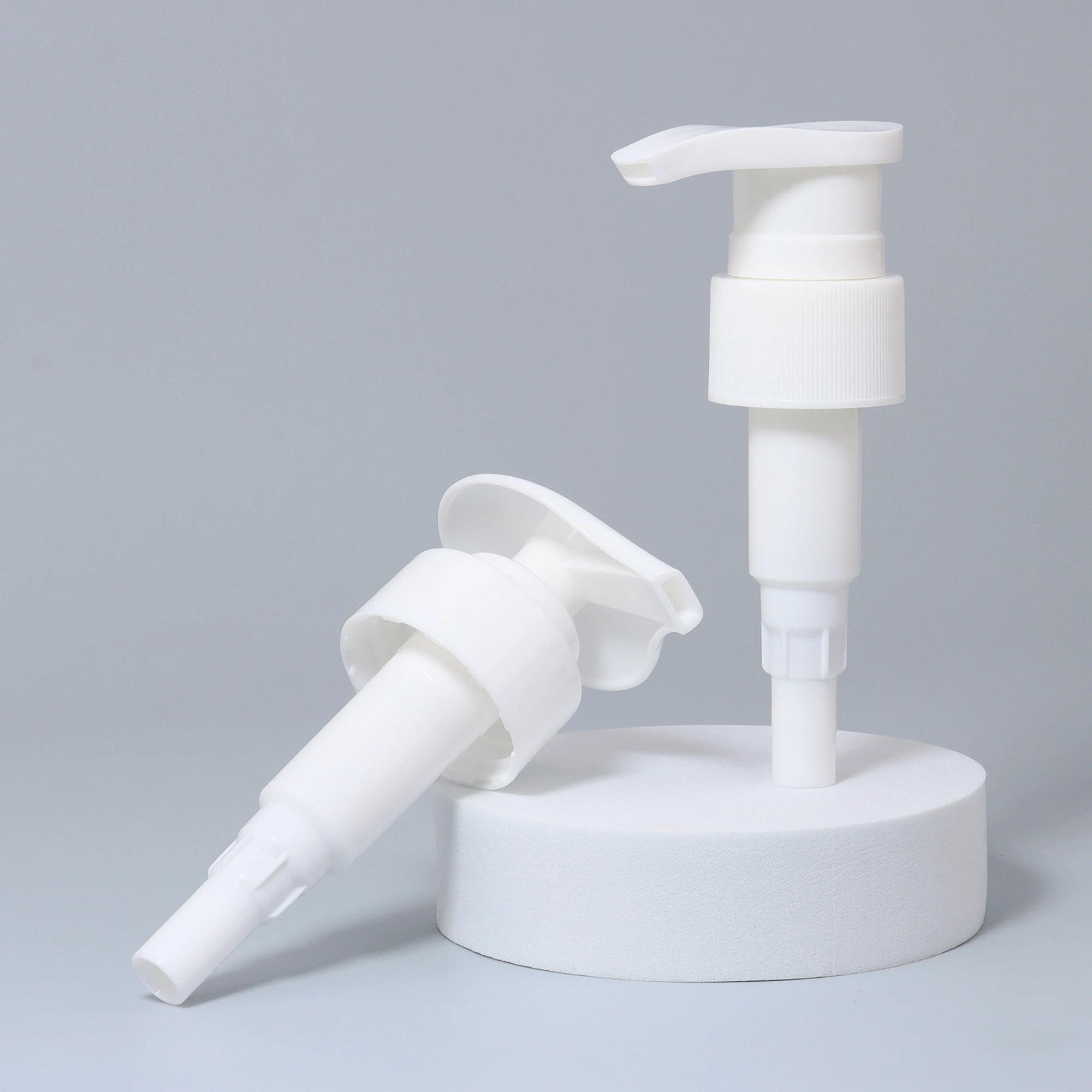
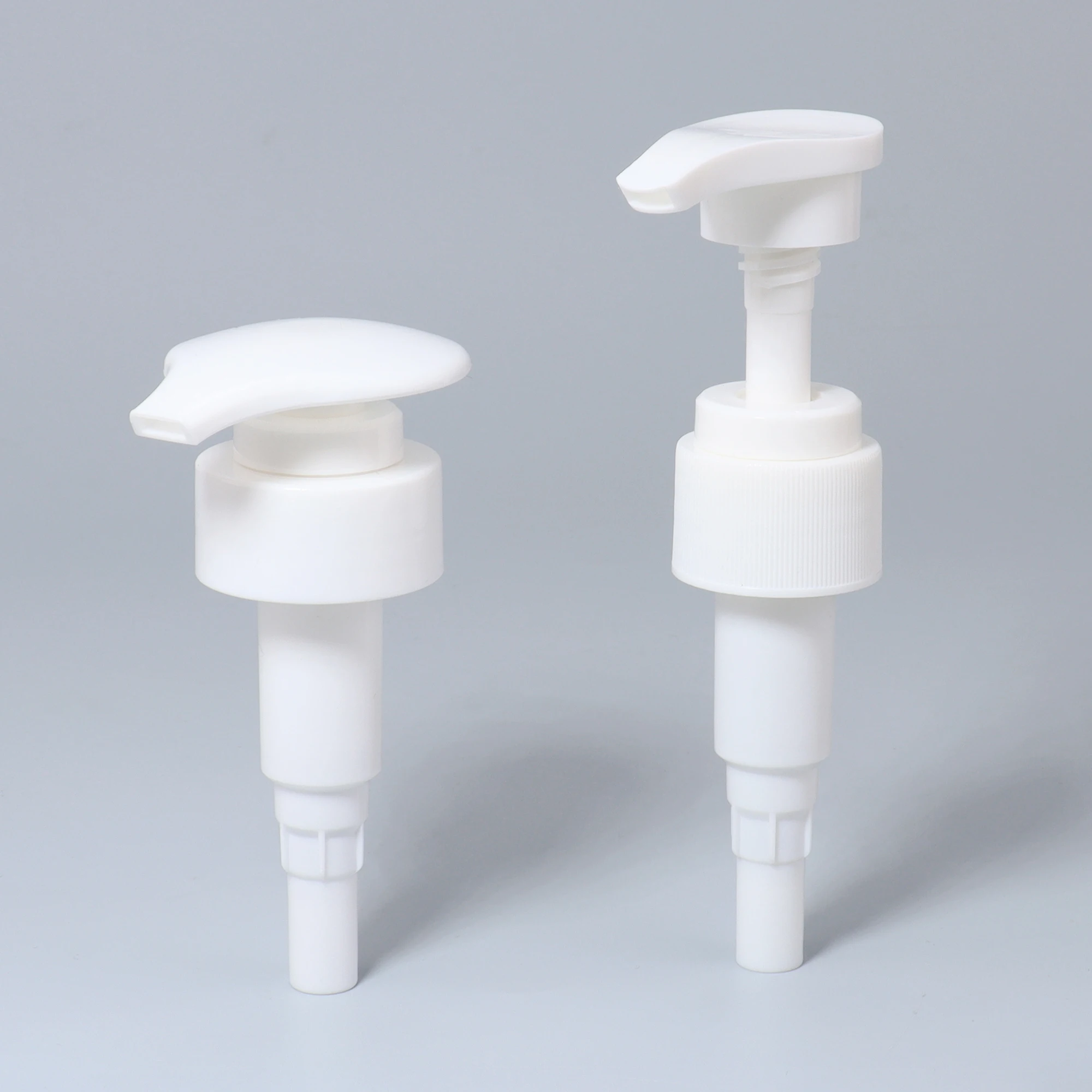
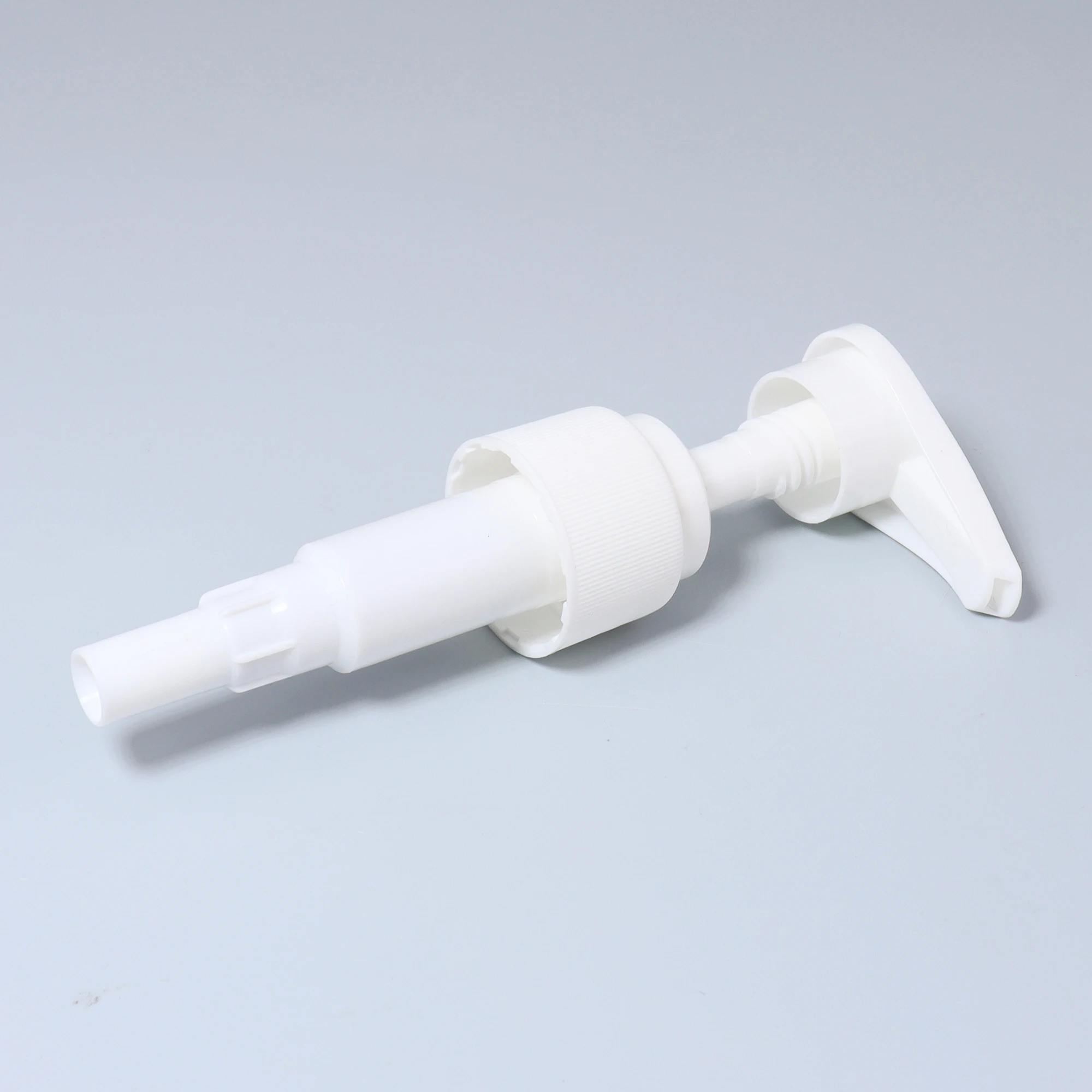
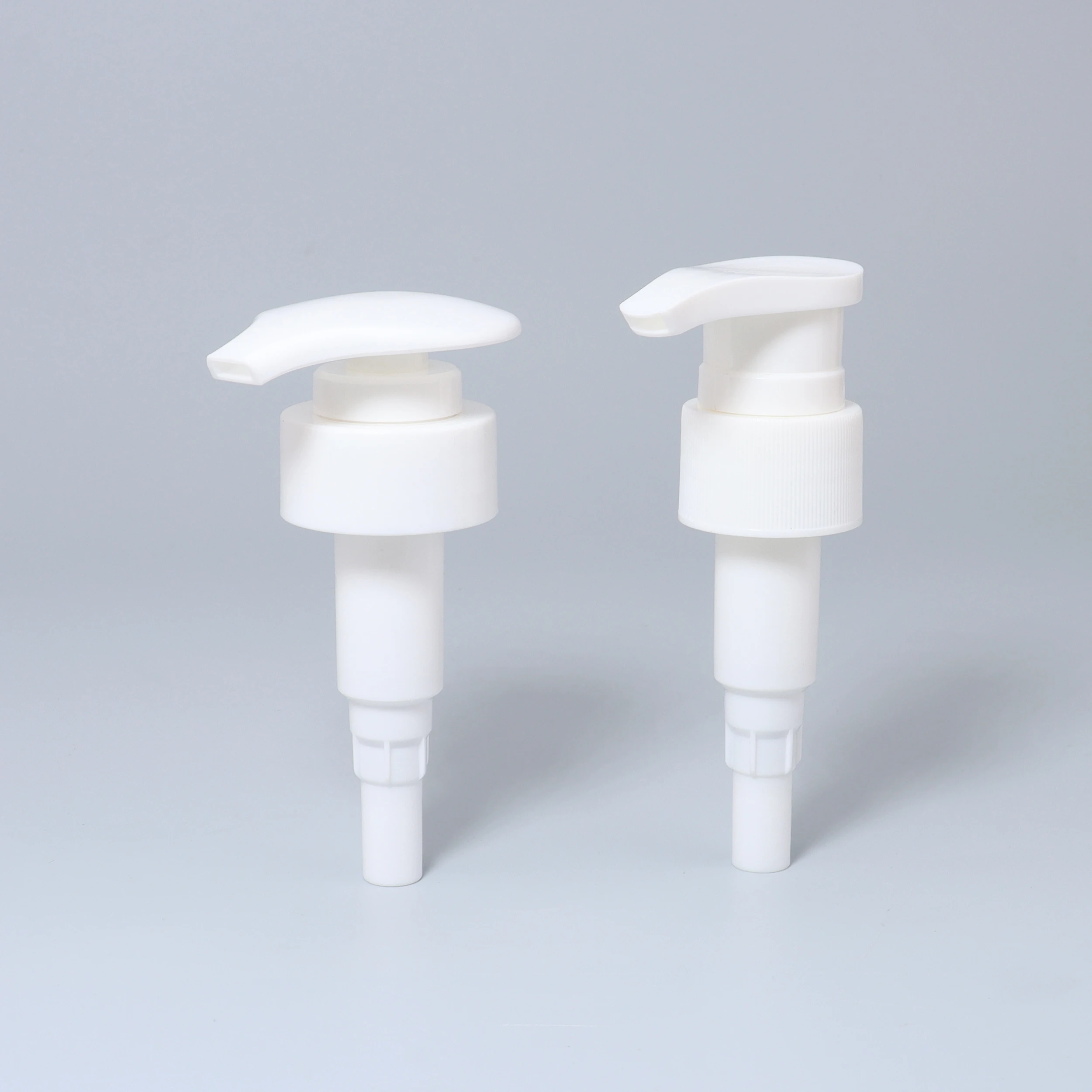
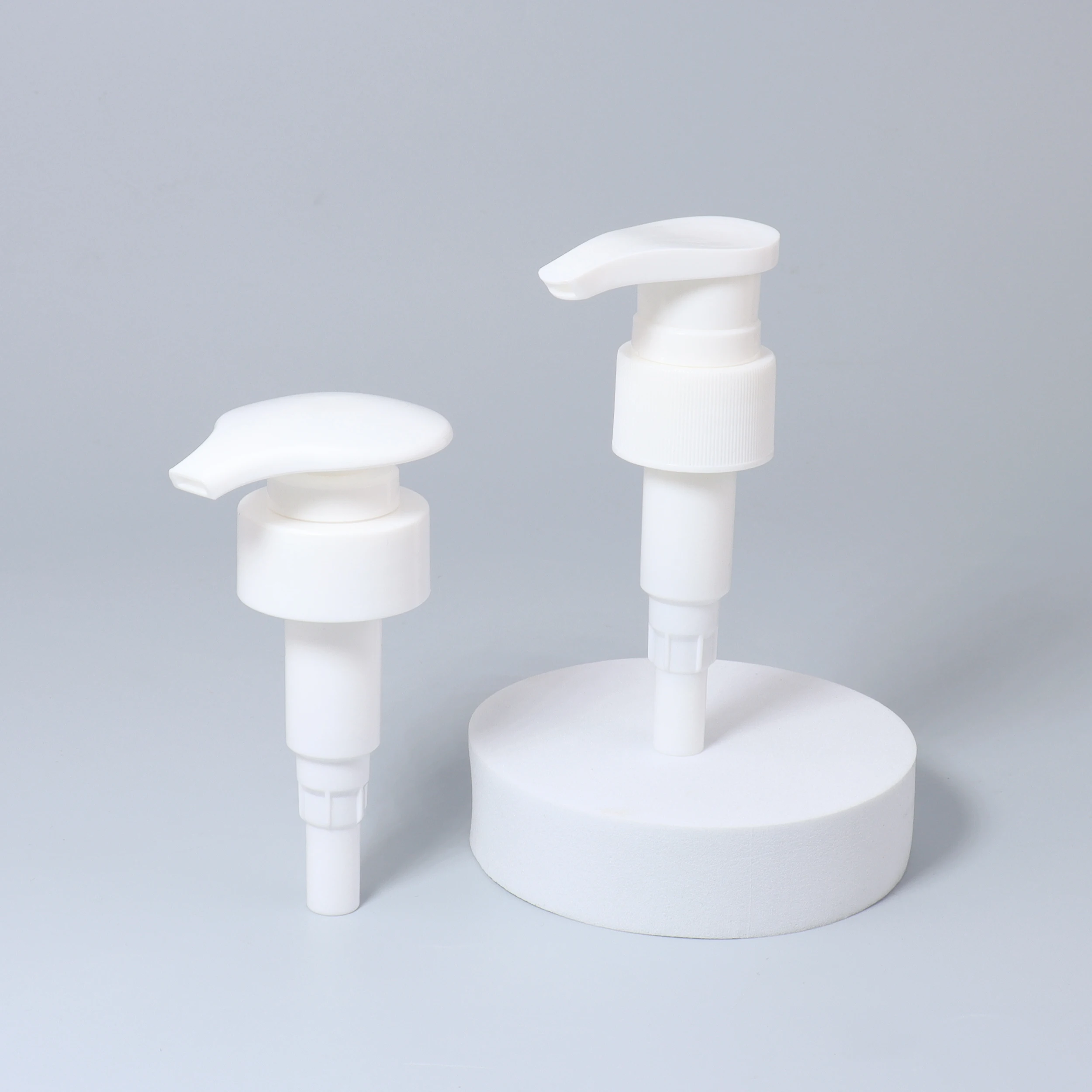
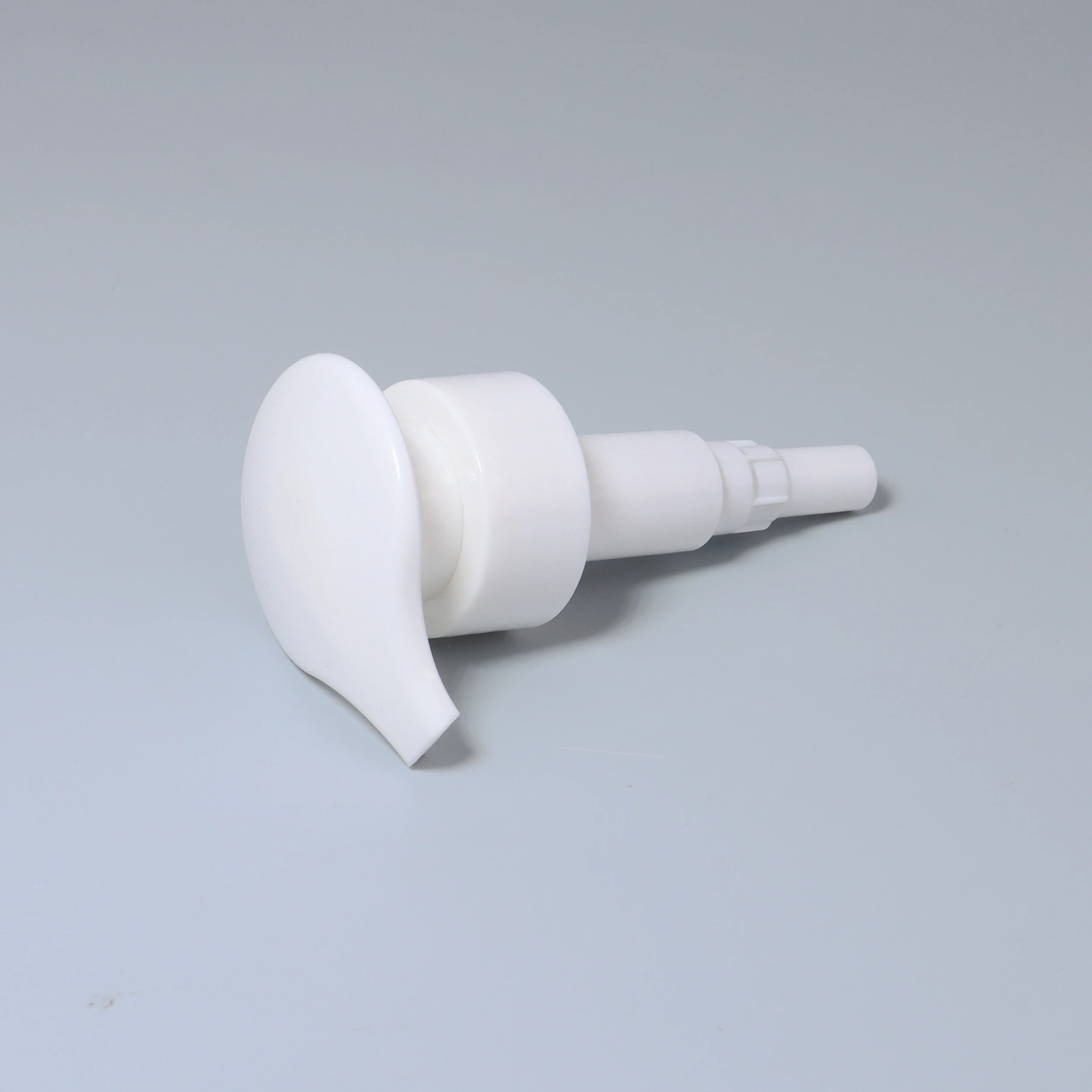
This replacement lotion pump dispenser is presented for shampoo, lotion, soap, home, spa, salon, and massage-oil bottle use. Its stated 4cc format makes it a practical component to assess when a dispensing closure needs replacement or when a bottle-and-pump combination is being specified. The useful starting point is not which pump looks best, but which neck finish, dip-tube length, and dispensing requirement your bottle actually needs.
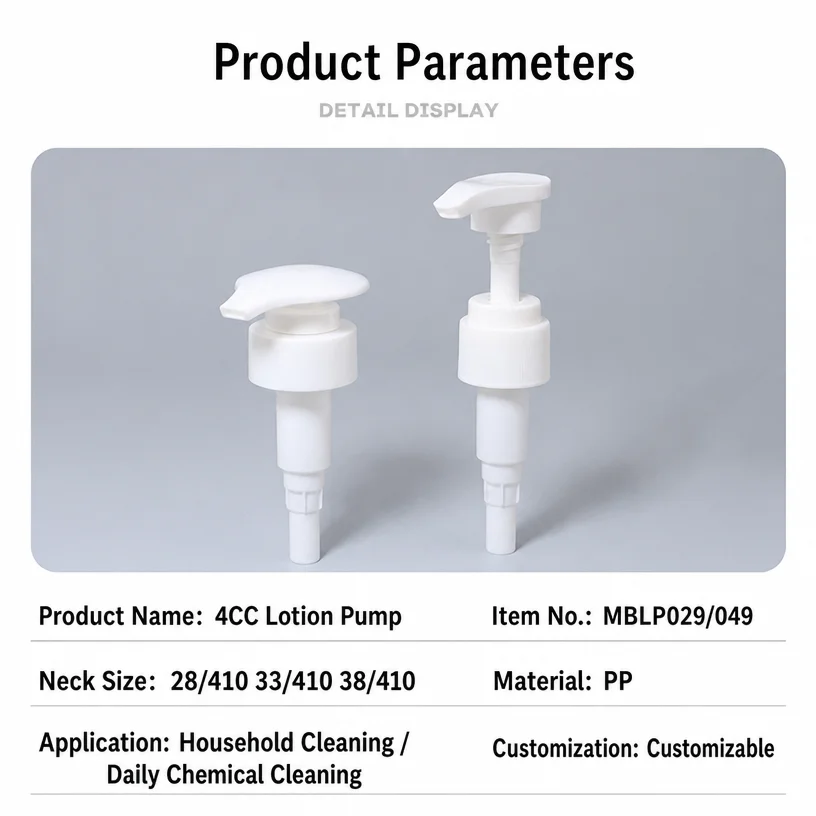
The Replacement Lotion Pump Dispenser 4cc for Shampoo Lotion Soap Bottles Home Spa Salon Massage Oil Use is described as a PP plastic pump with a non-spill design. It is offered for 28/410, 33/410, and 38/410 bottle-cap formats, with white, black, brown, yellow, and purple color options listed. These are product listing details rather than a promise that every configuration is immediately available; confirm the required finish, color, tube length, and quantity before placing an order.
| Item | Listed information |
|---|---|
| Product type | Replacement lotion pump dispenser |
| Output reference | 4cc |
| Material | PP plastic |
| Closure sizes | 28/410, 33/410, 38/410 |
| Colors | White, black, brown, yellow, purple |
| Customization | Tube lengths and quantities can be customized |
In plain terms, the neck-finish code is only one part of compatibility. A common mistake is ordering a nominally matching pump without confirming the bottle thread profile and closure depth. Physical samples remain the sensible way to verify fit before a larger purchase.
The listed PP plastic construction supports a familiar packaging format for personal-care and household dispensing. It gives buyers a clear material reference for their compatibility review. If a formula has unusual ingredients, high viscosity, or an oil-rich character, evaluate the complete formula-and-pump system with samples rather than assuming suitability from material alone.
The stated 4cc format provides a starting point for matching a pump to the intended amount per press. More output is not automatically better: a larger dose can be convenient for some uses, while a smaller or more controlled dose may better suit another formula or routine. Check real dispensing with the filled bottle because actual performance depends on the formulation and setup.
With 28/410, 33/410, and 38/410 options listed, this pump can be considered across several bottle programs. Select the dispenser by the exact bottle finish rather than appearance alone. Ask for the relevant option and validate the assembled fit.
White, black, brown, yellow, purple, plus customizable tube lengths and quantities, give a project room to align the closure with its bottle presentation. Color selection and dip-tube length should be confirmed as part of the order specification. A tube that is not suited to the bottle height can affect the user experience, so this detail deserves the same attention as the cap size.
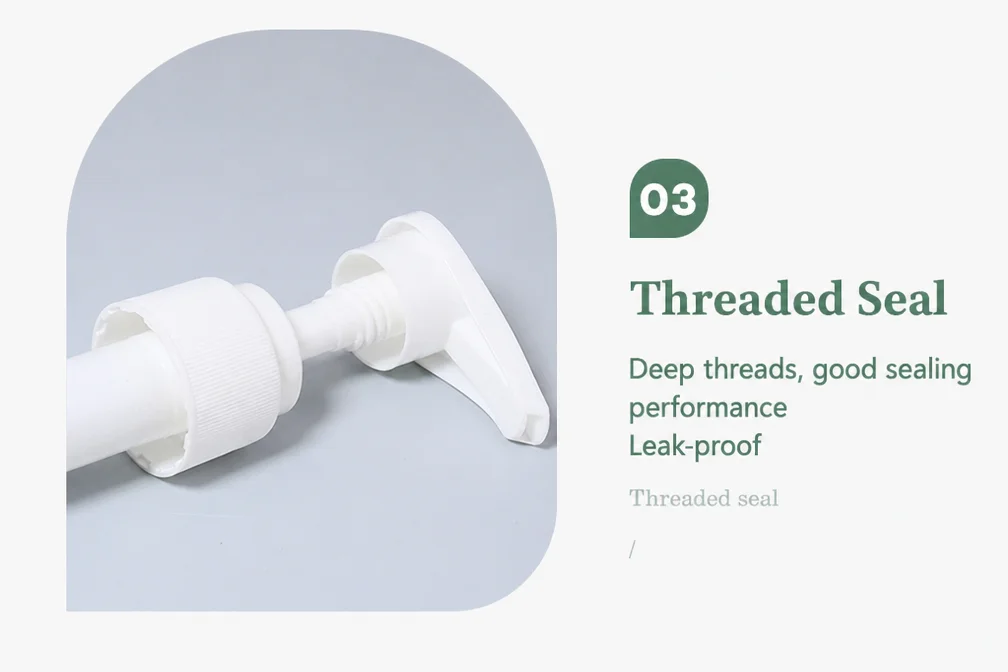
The source material describes a non-spill design. Treat that as a design feature to verify in your own filled-package test, especially where products will be transported, stored in warm environments, or handled frequently. This is a measured approach, not a claim of universal leak-proof performance.
The product title identifies shampoo, lotion, soap, home, spa, salon, and massage-oil use. For a shampoo bottle, assess the formula viscosity, bottle neck, and preferred dose. For lotion or soap, check how the liquid primes and dispenses after the bottle is filled. For spa, salon, and massage settings, consider the bottle size, practical handling, and the amount delivered per press.
For each of these applications, final suitability depends on the actual bottle and product formula. A sample evaluation can reveal fitment, tube-length, and dispensing behavior before the component becomes part of a routine production or refill program.
Start with the bottle. Confirm whether it uses 28/410, 33/410, or 38/410, then confirm the exact thread and closure dimensions with a sample. Next, identify the bottle height so the requested tube length can be discussed. Finally, test the pump with the intended shampoo, lotion, soap, or oil product rather than water alone.
This replacement-pump option is sensible to review when those basic specifications match. It does not eliminate the need for application testing. In particular, thick products may behave differently than thin liquids, and an oil-containing product may need its own compatibility assessment. This conditional process helps avoid a late replacement-pump mismatch.
A replacement pump can look straightforward, yet the assembled package has several interacting parts: the bottle neck, closure thread, tube length, product viscosity, and desired dose. The listed options should be evaluated as part of that complete system. This is especially useful for buyers replacing an existing dispenser without a full original specification.
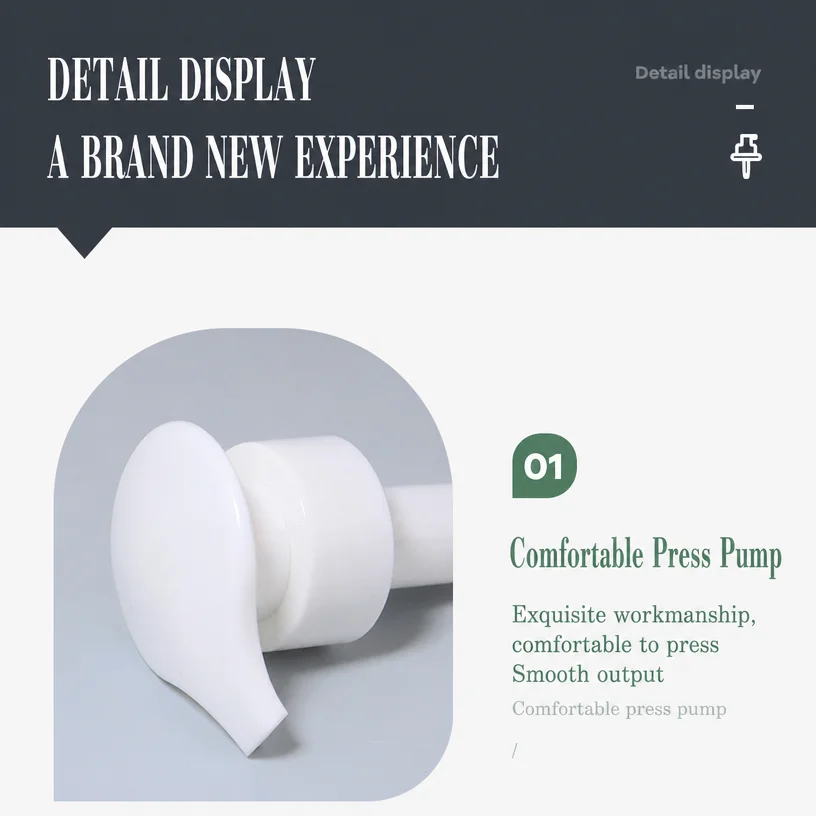
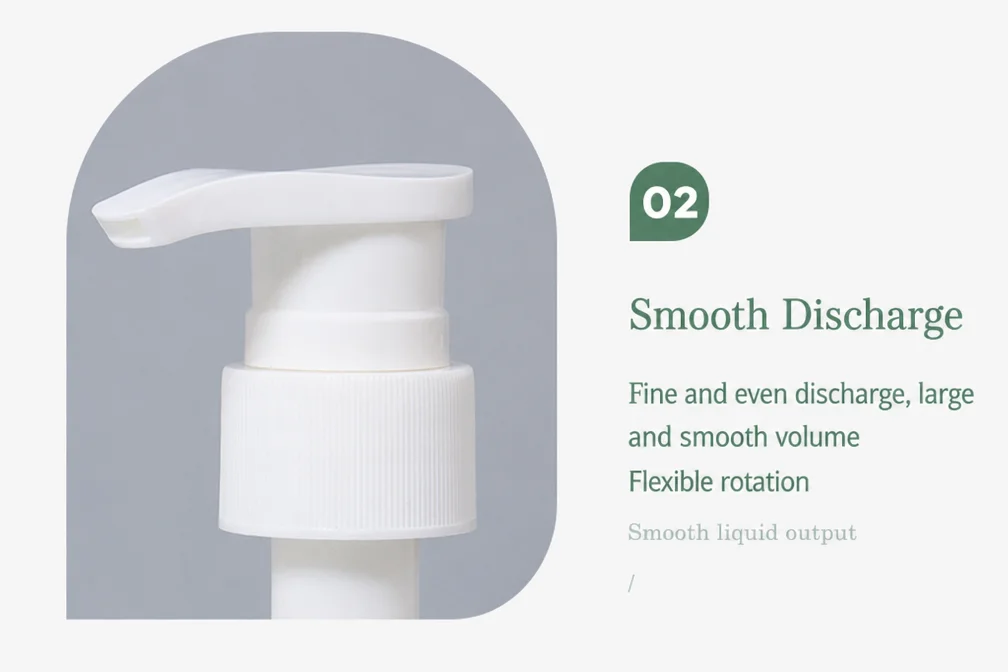





For a replacement project, record the existing closure size, measure the bottle height, and keep the current dip tube for comparison. Assemble a sample on the intended bottle, fill it with the actual product, and operate it through normal use. Observe priming, delivery, closure fit, and any residue around the collar. For a salon or spa setup, repeat the check after routine handling rather than judging only the first press. These simple observations turn a catalogue choice into a documented packaging decision and help identify whether a different tube length or closure option should be requested before quantities are confirmed.
The product is described with PP plastic construction, a 4cc reference, a non-spill design statement, multiple closure-size options, listed colors, and customizable tube lengths and quantities. Use those facts as the basis for a practical sample-and-specification conversation.


 EN
EN