 ×
×

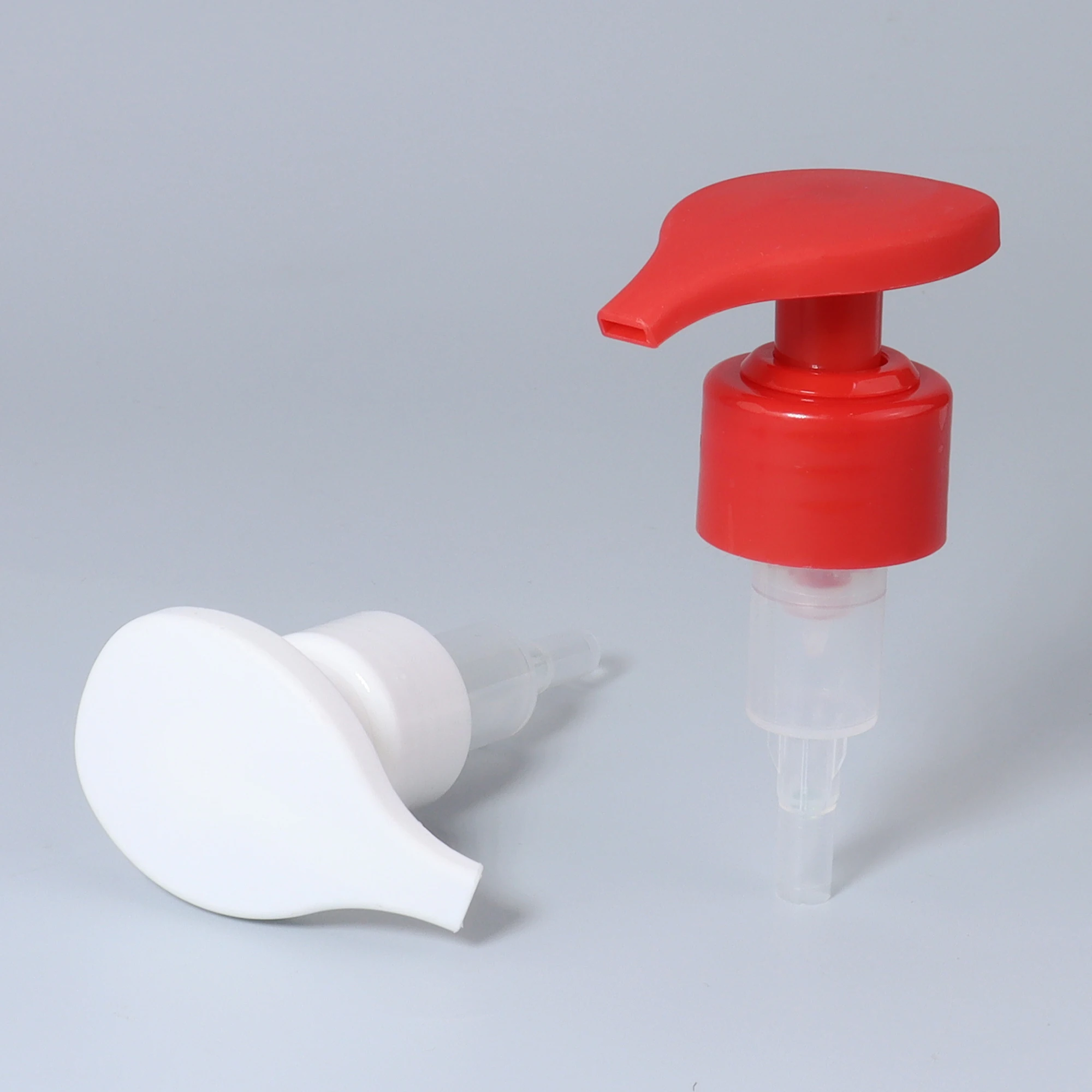
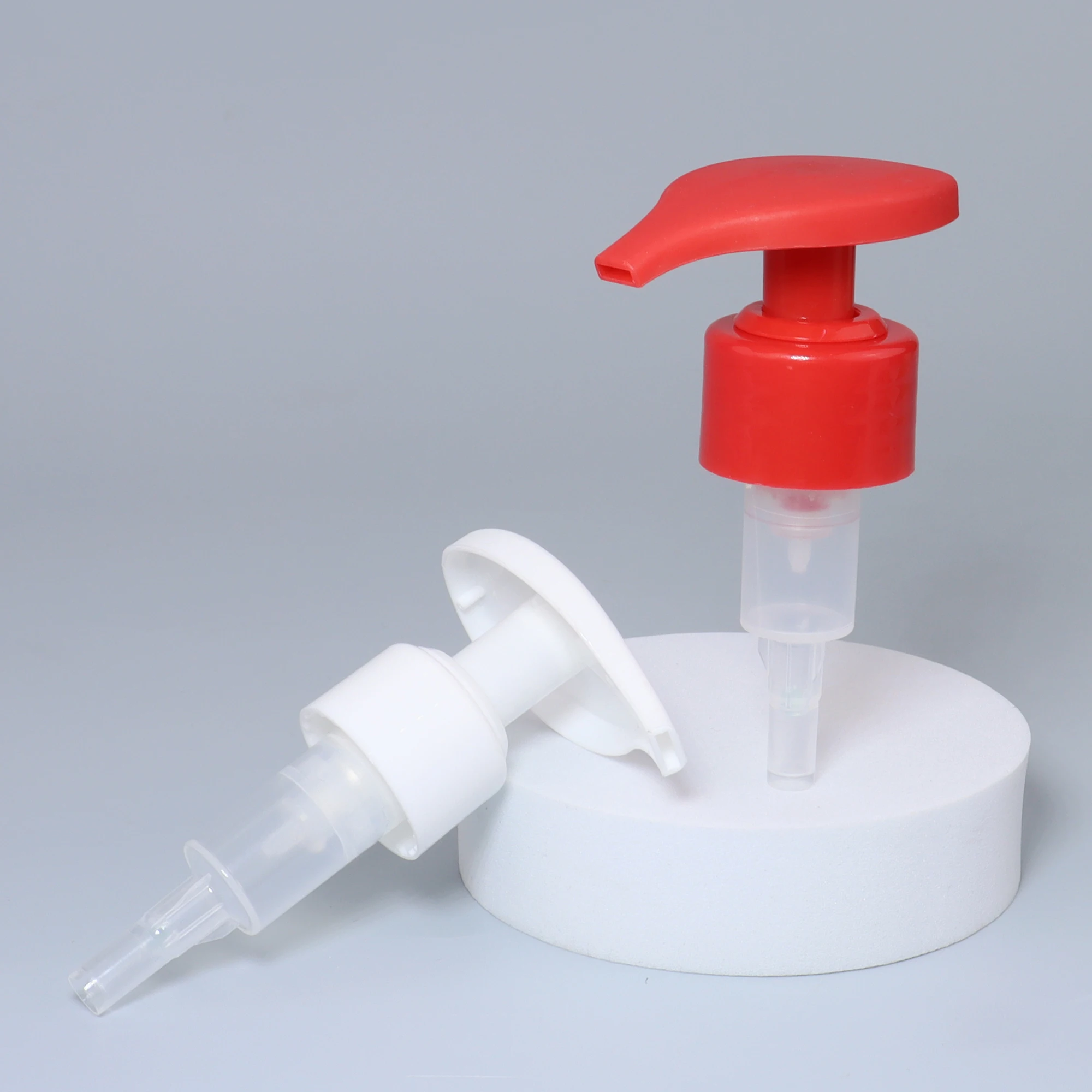
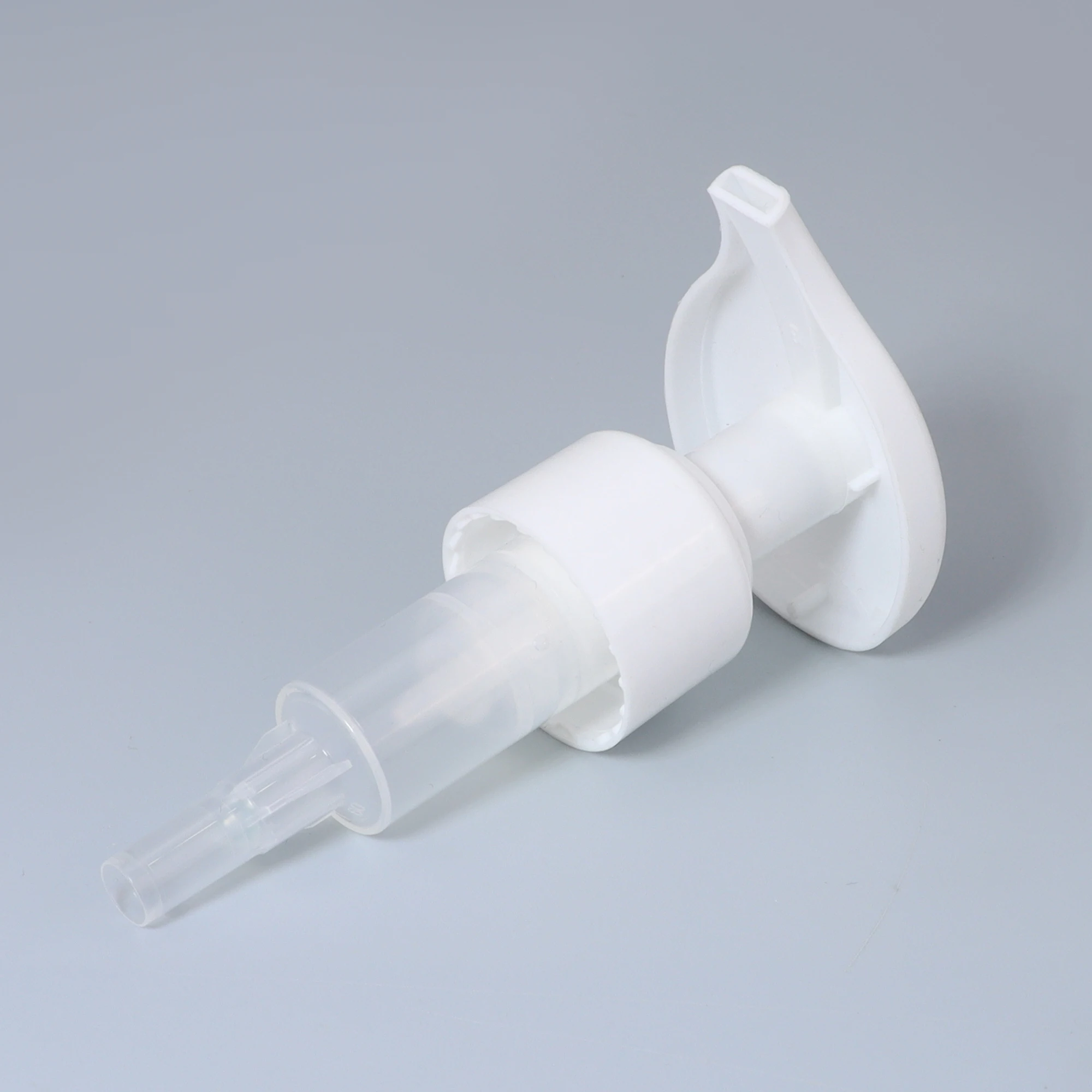
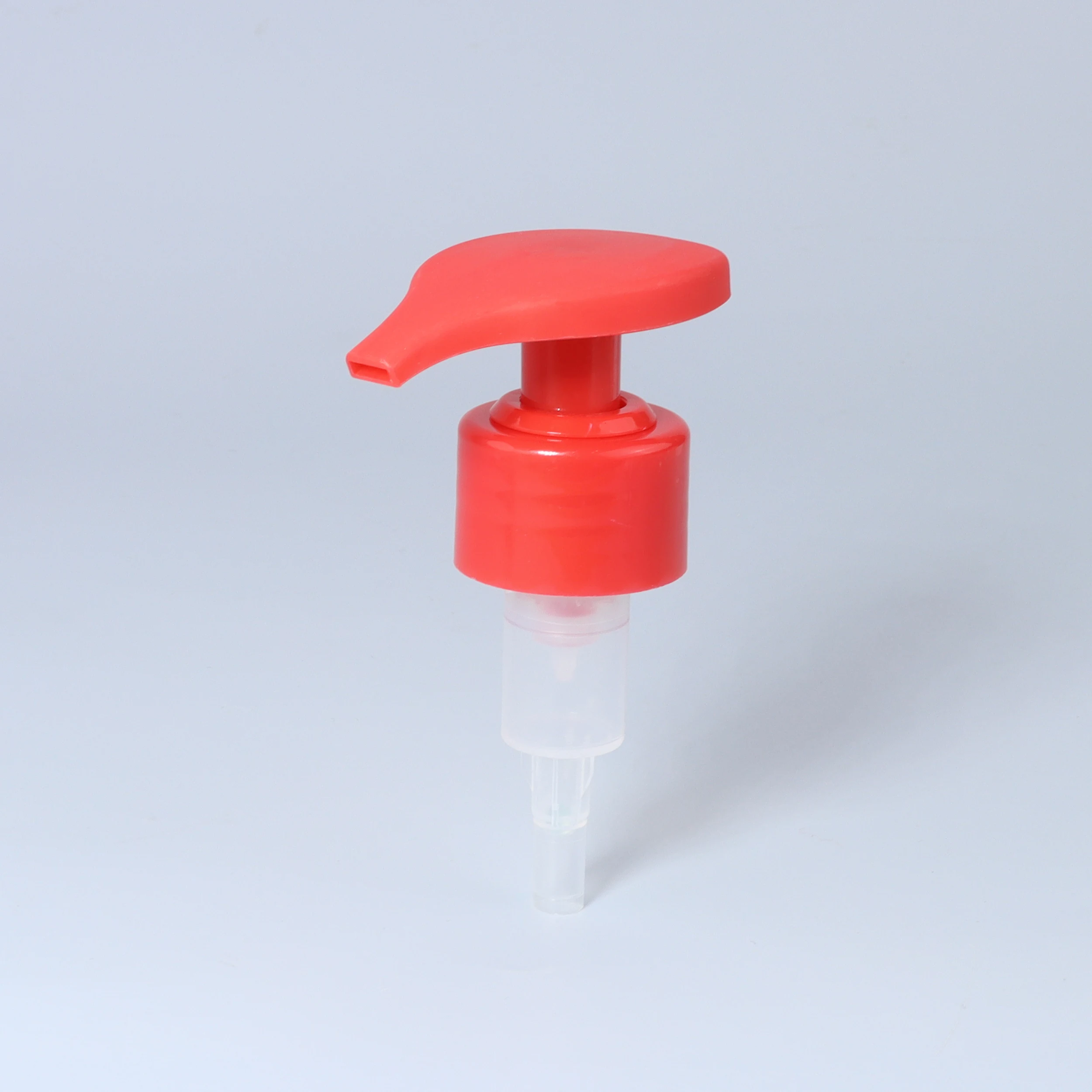
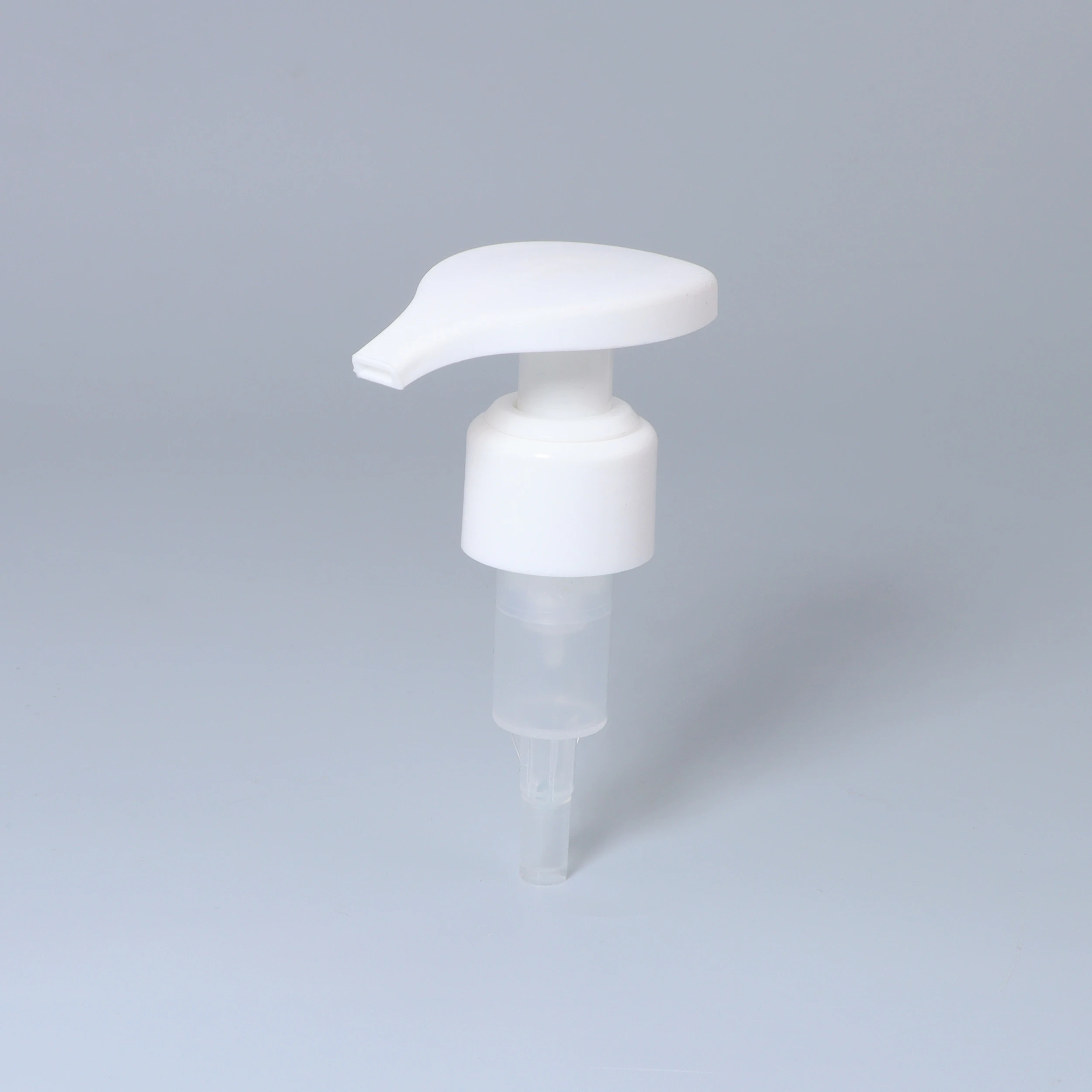
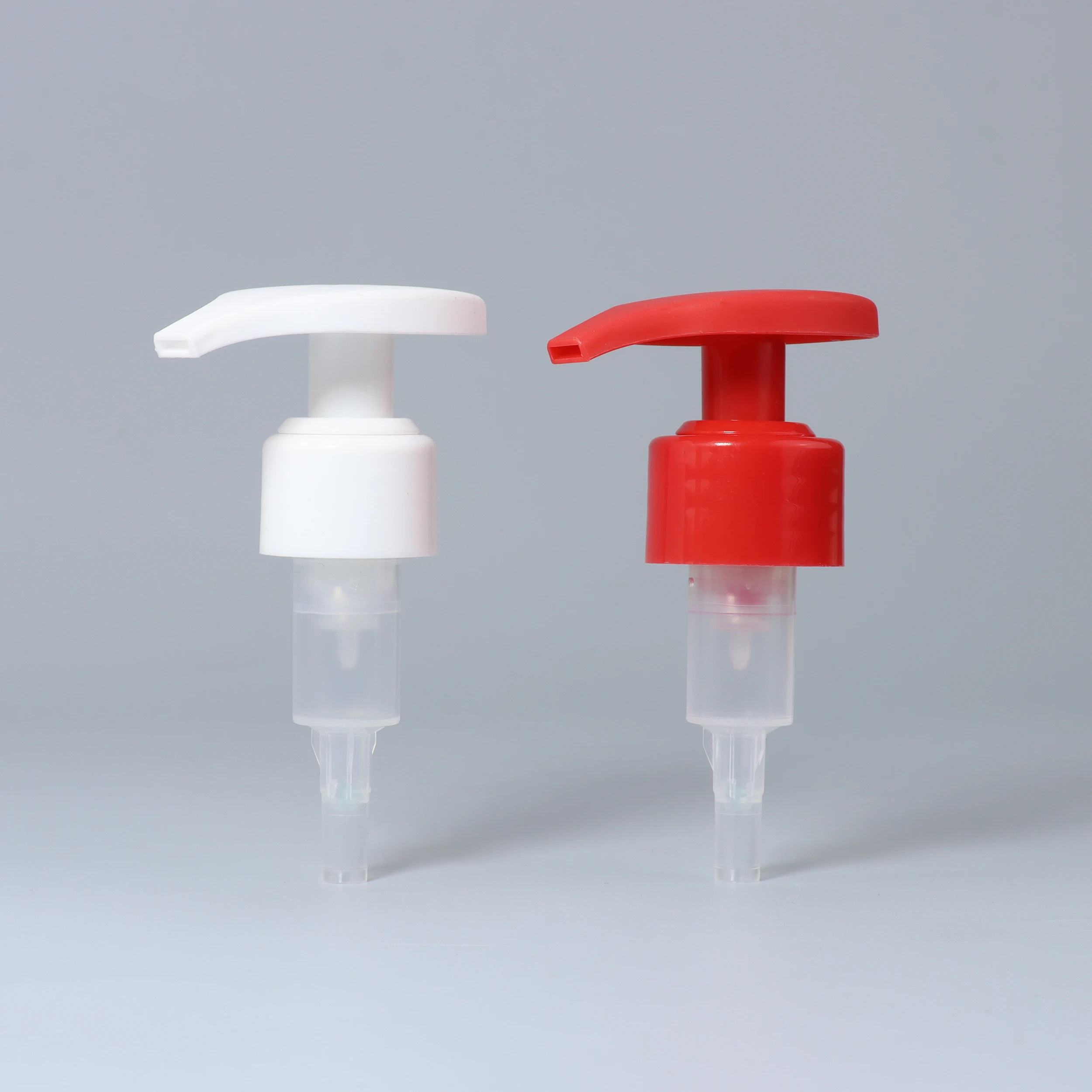
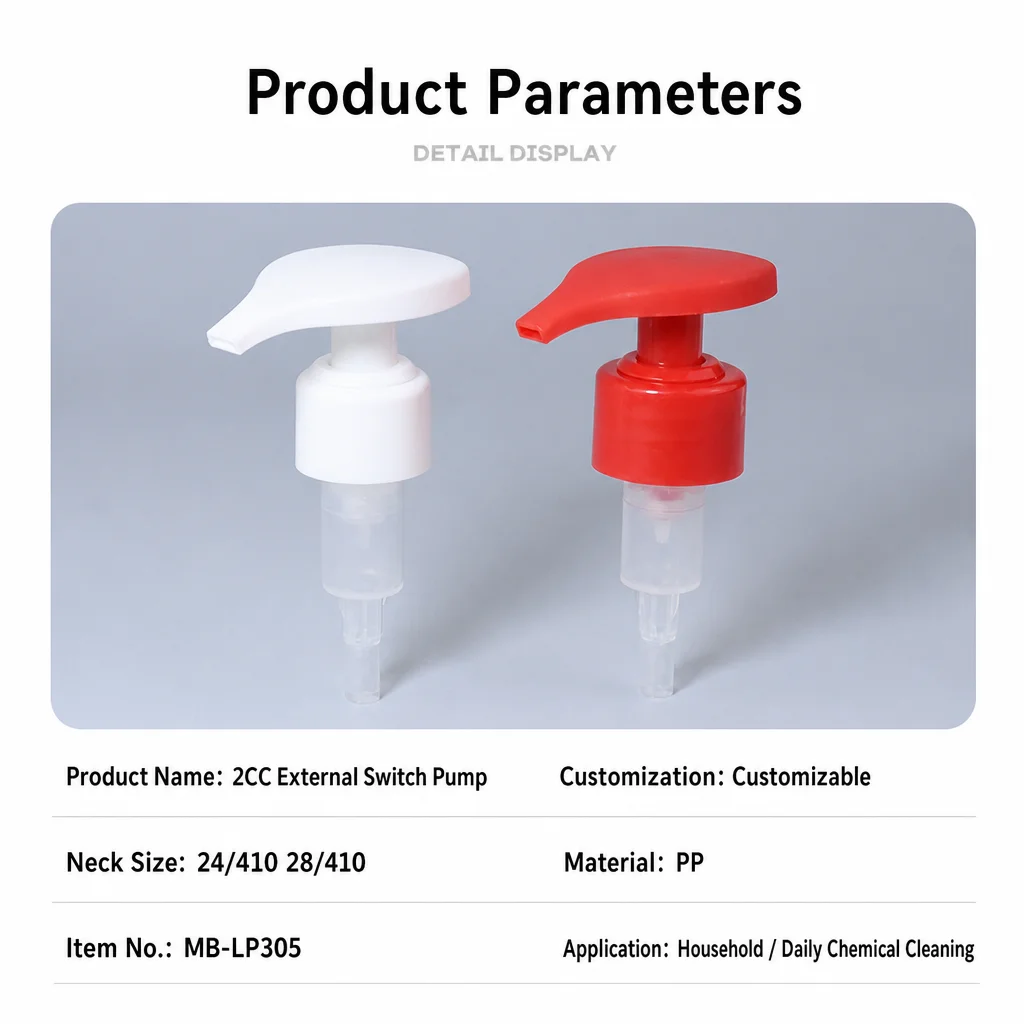
The OEM 24/410 28/410 Shampoo Lotion Soap Dispenser Pump Cosmetic Shampoo Lotion Pump is a plastic, spring-loaded dispensing component for shampoo, lotion, hand-soap, and cosmetic packaging projects. The supplied product material identifies 24/410 and 28/410 references and states a 2 cc dispense volume. For a brand, contract filler, or packaging buyer, those are useful starting points, but they are not the whole specification. The more useful starting point is not which pump looks best, but which neck finish, dose requirement, bottle geometry, and formula does the finished pack actually require.
This plastic spring-loaded pump is intended to dispense a measured portion of liquid product with a press action. The source material notes that custom orders may be accepted. Exact color, actuator shape, dip-tube length, lock style, thread profile, material grade, and formula compatibility should be confirmed before approval.
Keep sample records, bottle drawings, formula notes, and agreed acceptance criteria together. This makes later production conversations clearer, supports repeatable evaluation, and gives every project stakeholder a practical reference before release.
| Item | Available source information |
|---|---|
| Product type | Plastic dispenser pump for shampoo, lotion, soap, and cosmetic applications |
| Closure references | 24/410 and 28/410 |
| Stated dispense volume | 2 cc |
| Mechanism | Spring-loaded |
| Custom-order note | Existing source copy states custom orders may be accepted |
The OEM 24/410 28/410 Shampoo Lotion Soap Dispenser Pump Cosmetic Shampoo Lotion Pump should be evaluated as a component within a complete bottle-and-formula system. A nominal neck code is a shared specification language, not a substitute for physical verification. A common mistake is ordering a 24/410 or 28/410 pump without confirming the exact bottle-neck profile; what looks standard on a drawing can still create fitment issues during sampling or filling.
The this dispenser pump has a stated 2 cc dispense volume. This gives project teams a clear point to discuss when aligning a dispensing component with a desired user experience. More output is not always better: a concentrated shampoo, lotion, or soap formula may need a different dose to avoid over-dispensing. Actual delivered volume can vary with formula viscosity, press method, and the assembled package, so validation with the finished formula remains important.
The 24/410 and 28/410 references help buyers begin a compatibility conversation for compatible bottle programs. The this dispenser pump may suit projects where the bottle finish corresponds to the selected option. Before locking in a supplier, it is worth clarifying the exact neck dimensions, thread depth, collar fit, and dip-tube requirement; that is where many packaging mismatches occur.
The this dispenser pump is described as spring-loaded. In practical terms, a buyer can include actuation feel, priming behavior, and repeat dispensing in sample evaluation. Those outcomes should be tested rather than assumed, particularly when a formula is thick, oil-rich, high in alcohol, acidic, or otherwise demanding.
Plastic construction supports use in a broad range of personal-care packaging concepts. The this dispenser pump can be considered for a project whose product, bottle, and production requirements have been checked together. The supplied material does not establish chemical resistance, recycled content, regulatory documentation, or a specific polymer grade; request the applicable documentation and samples if those requirements matter to your destination market.
The this dispenser pump can be discussed for shampoo packaging where the selected closure option, dip tube, and formula behavior are confirmed. It can also be considered for lotion packaging, where the intended portion per press and formula flow should guide selection. For liquid hand-soap packaging, the same core review applies: confirm bottle fit, prime performance, repeat dispensing, and storage behavior with the actual formula.
For cosmetic packaging projects, the this dispenser pump provides a factual starting point around a plastic spring-loaded dispenser and a stated 2 cc output. If the project needs a particular finish, color, logo treatment, or packaging configuration, treat that as a custom-order discussion rather than an included specification. Clear written approval of the final sample helps avoid a gap between an early concept and a production order.
The this dispenser pump is best chosen through compatibility-first sourcing. A pump can appear suitable in a catalog and still need adjustment once it meets the real bottle and formula. Sample evaluation is therefore not an optional formality; it is the practical step that links a stated closure reference and output figure to your finished pack.
This product page keeps a distinction between verified information and project-dependent requirements. The this dispenser pump is supported by the supplied description as a spring-loaded plastic pump with 24/410 and 28/410 references and a stated 2 cc dispensing volume. It is not supported as universally compatible, leak-proof, chemically resistant, or suitable for every viscosity. If your formula is relatively low viscosity, the evaluation path may be straightforward. If it is thick, oil-rich, alcohol-based, or sensitive to dose consistency, that changes the sampling and compatibility checks significantly.
Now, that said, the this dispenser pump can still be a practical component to review for a shampoo, lotion, soap, or cosmetic line. Use the product facts as the initial brief, then validate the assembled package. This approach supports a clearer buying decision without making promises that the available source material does not prove.





 EN
EN