 ×
×

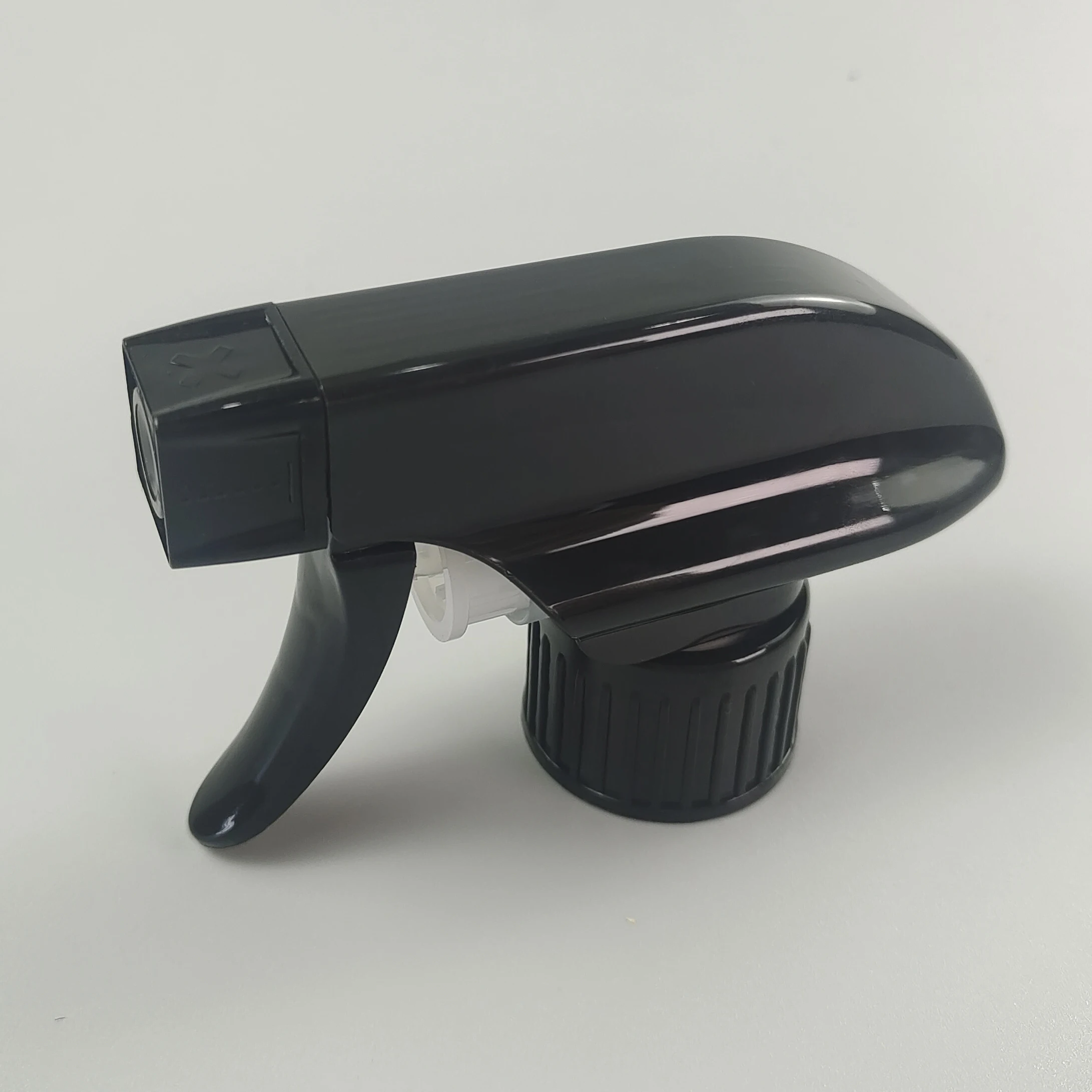
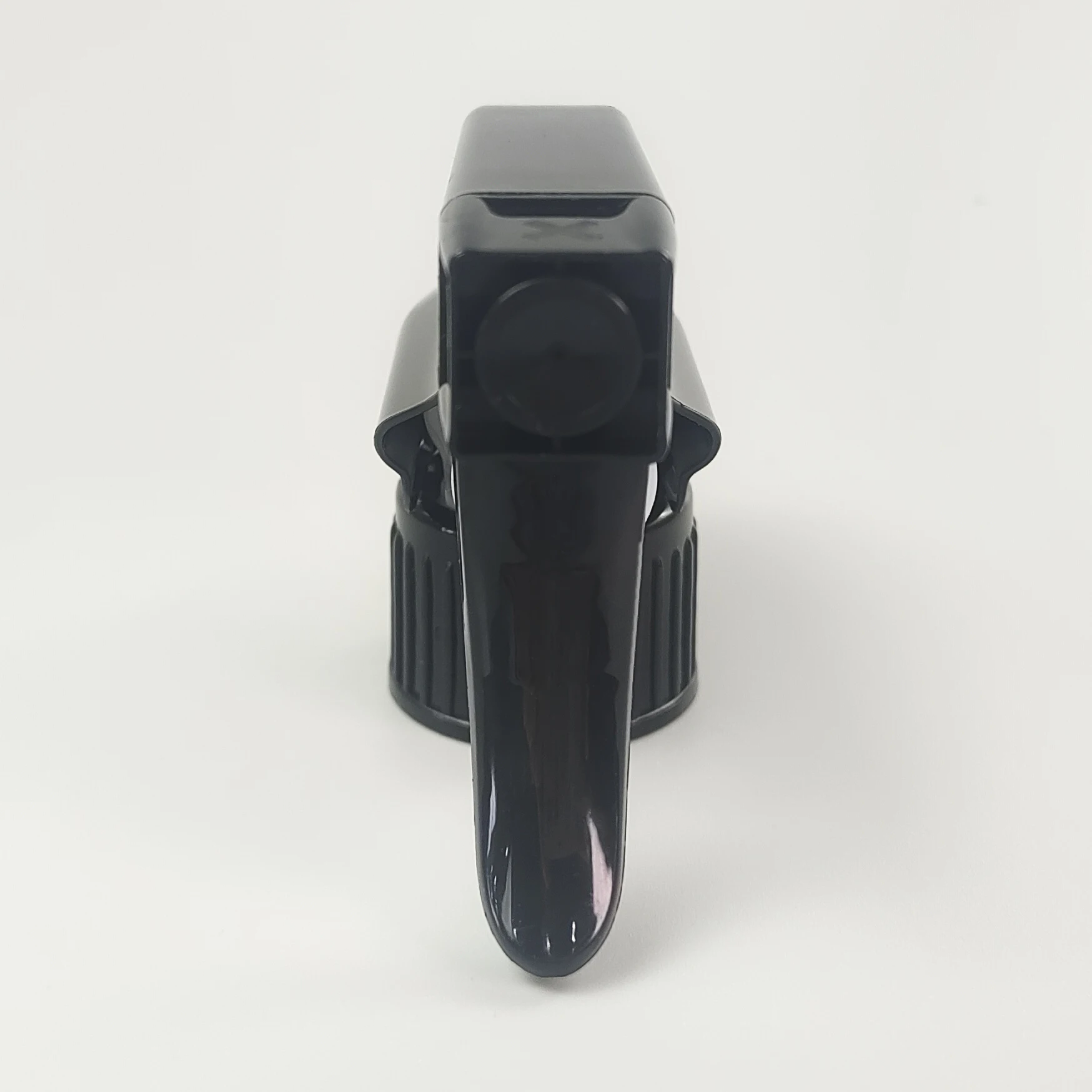
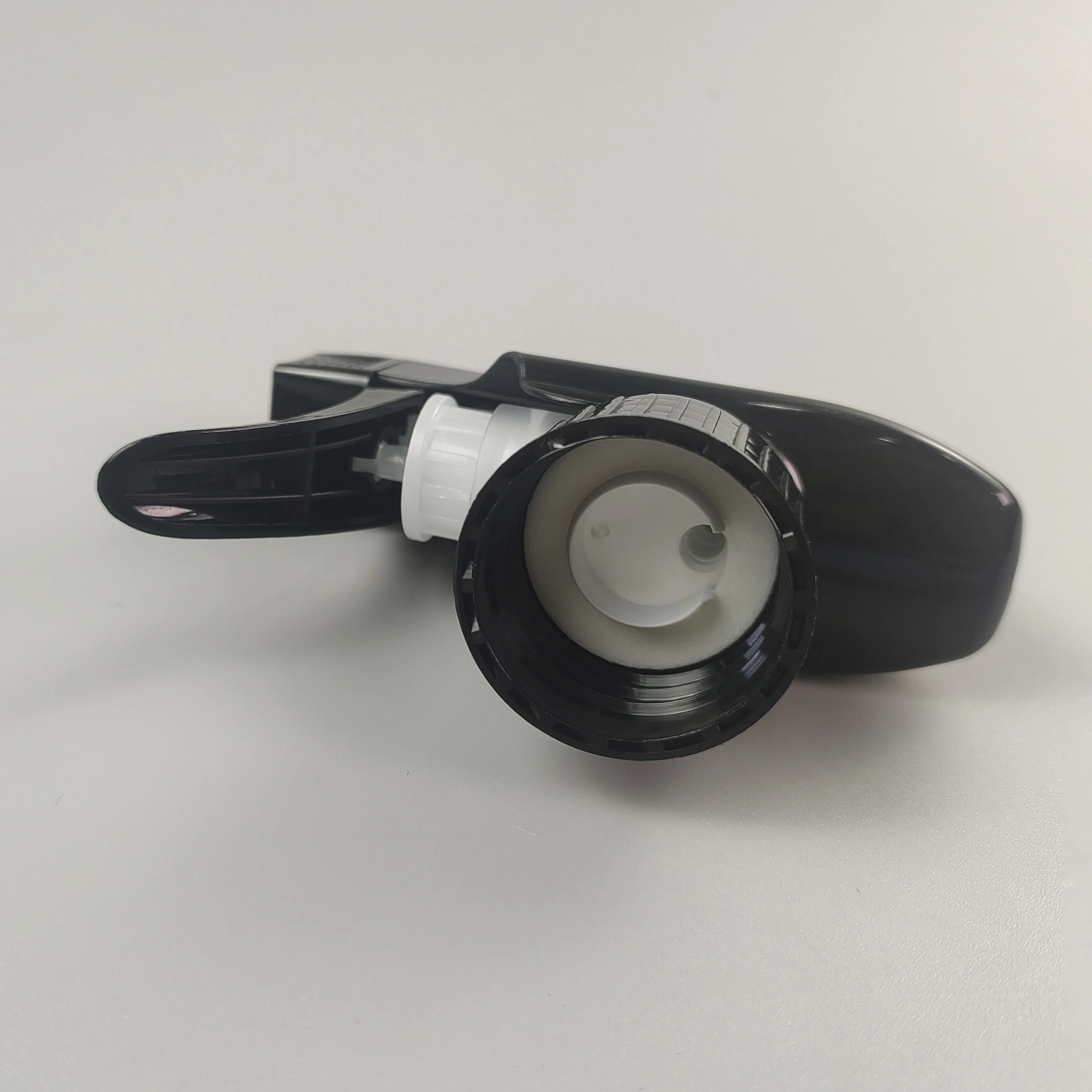
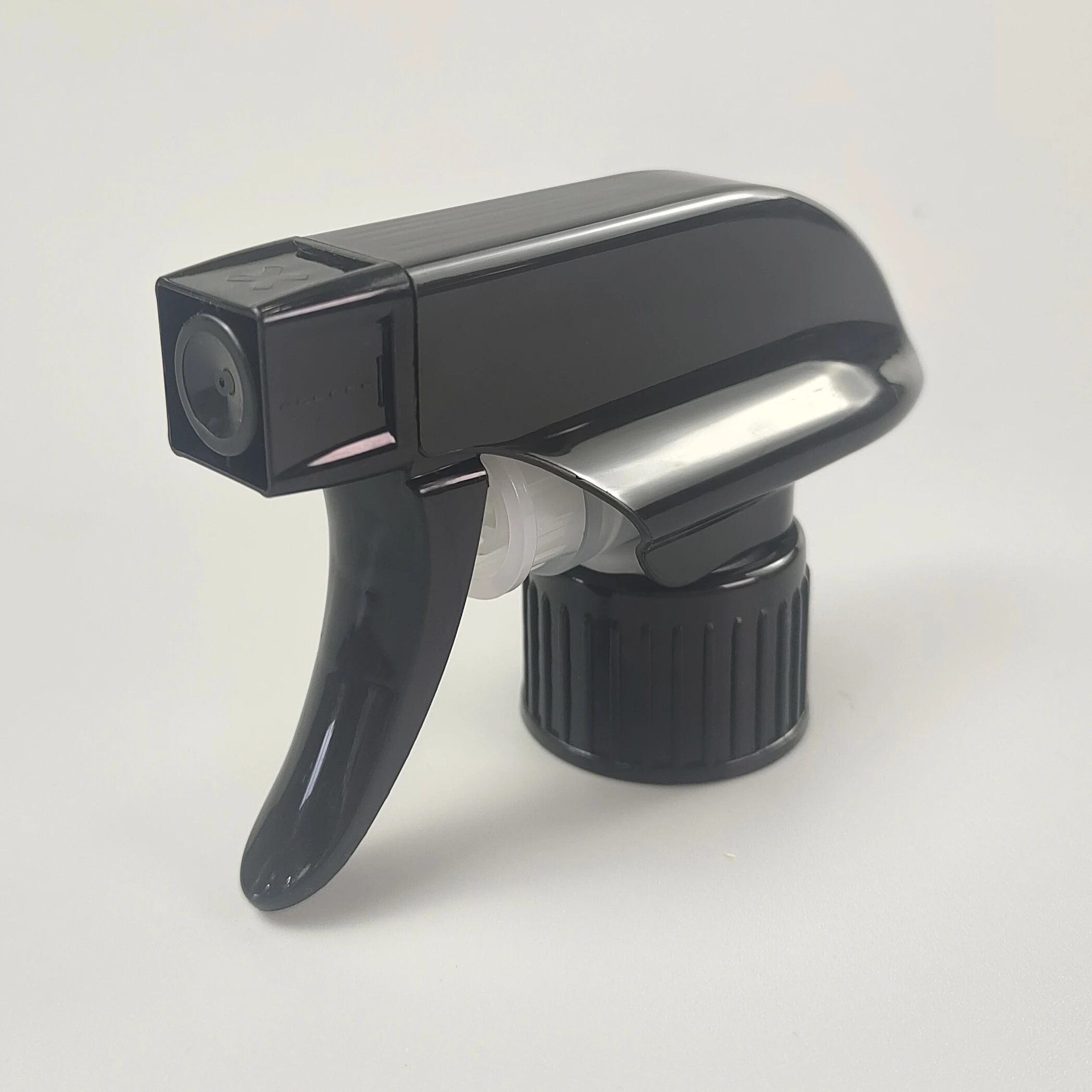
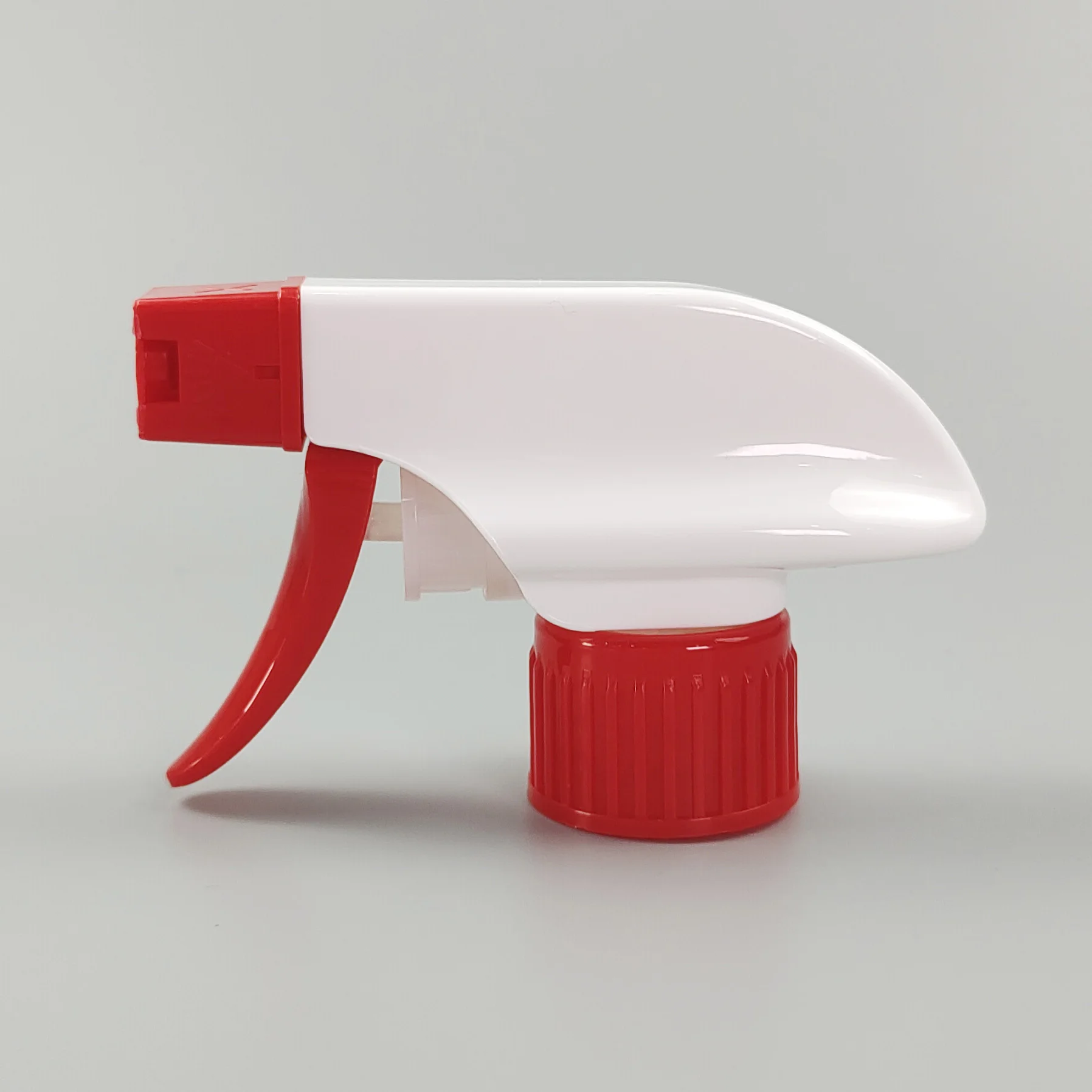
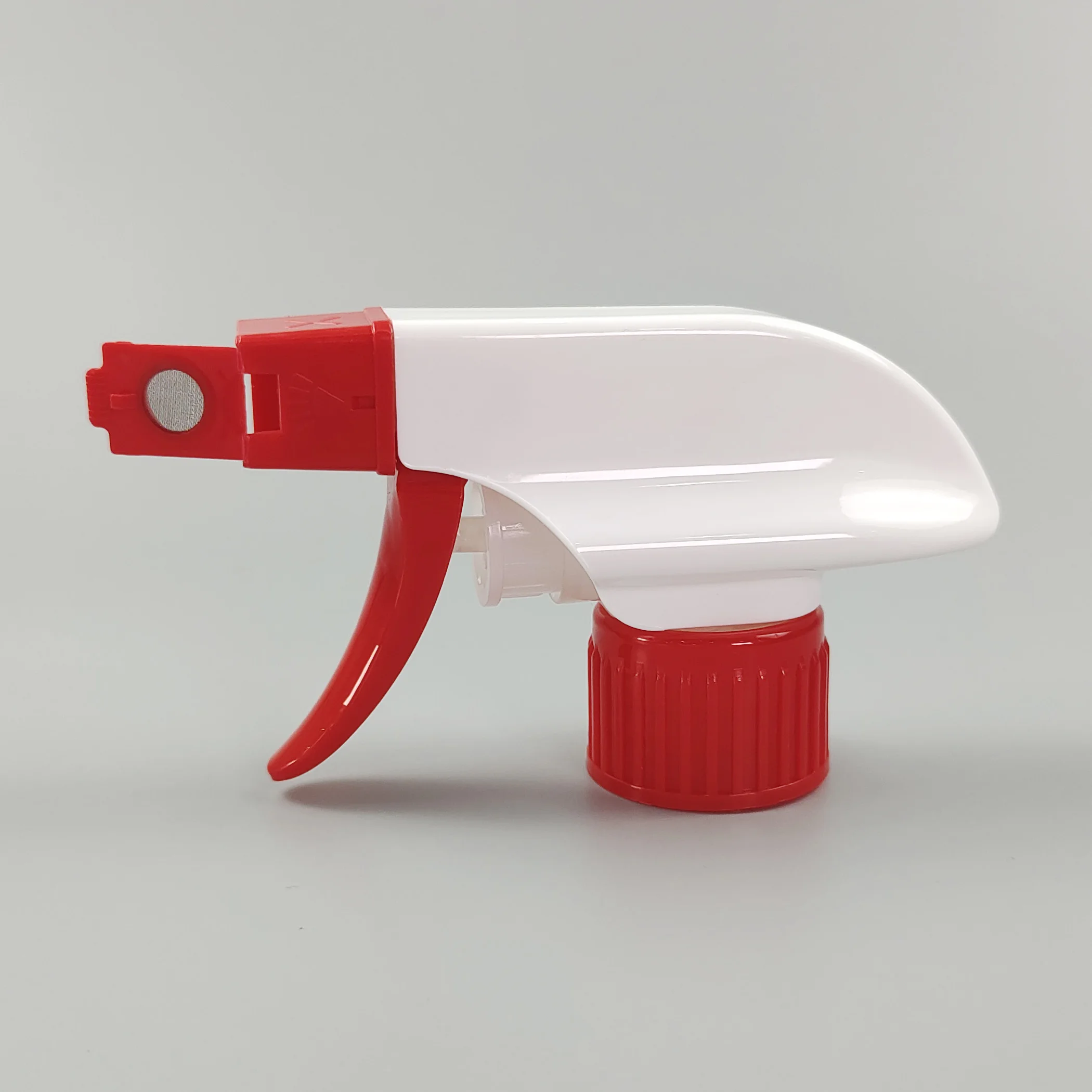
this trigger sprayer is an all-plastic trigger sprayer and screw-on closure identified in the supplied listing as model MB-AP002. It is offered for packaging projects involving household-cleaning and chemical-product applications, with final use dependent on the buyer's completed bottle-and-formula evaluation. The available source material specifies plastic construction, optional colors, several closure-size choices, and a stated discharge rate. Treat this page as a component specification overview: it describes the supplied product data, while finished-pack performance should be confirmed through physical samples.
| Product name | All Plastic Trigger Sprayer |
|---|---|
| Model | MB-AP002 |
| Material | Plastic |
| Closure sizes | 28/400, 28/410, 28/415, 28/410 Ratchet |
| Stated discharge rate | 1.1±0.1 ml per trigger |
| Colors | Optional |
| MOQ | 30,000 pieces |
| Packing | 500 pieces per carton; 56 × 45 × 39 cm |
| FOB port | Ningbo/Shanghai |
| Origin | Ningbo, Zhejiang, China |
| Stated delivery time | About 15–25 days |
The principal feature is the all-plastic trigger-sprayer format. For a packaging buyer, that provides a defined closure component that can be considered with a compatible bottle and a suitable liquid product. The listing's optional-color note can support a coordinated closure appearance where a project requires it. Color availability, production terms, and the exact version selected should be confirmed when requesting samples or a quotation.
The listed closure formats give a procurement team a useful starting point. A 28/400, 28/410, 28/415, or 28/410 ratchet option should be chosen only after comparing the actual bottle neck with the closure specification. A common sourcing error is to assume that matching nominal codes automatically guarantee assembly. Thread profile, neck depth, collar fit, and the selected dip tube can all influence the final result. Sample assembly is the practical way to verify those details before a production commitment.
The stated 1.1±0.1 ml per-trigger output is another decision point. It supplies a reference for discussion, but actual dispense behavior may vary with pressing speed, bottle angle, formula viscosity, and the complete package design. That distinction matters when a brand needs a particular use experience. A buyer can evaluate repeated pressing, output consistency, residual dripping, and actuation feel during the sample stage rather than treating a nominal number as a field-performance guarantee.
this trigger sprayer may be evaluated for household-cleaning packaging where a trigger-style closure is appropriate and the product team has validated the bottle, formula, and dispensing expectation together. It may also be considered for chemical-product packaging projects, subject to a specific compatibility review. The source material names chemical and house-cleaning use, but it does not provide a formula-specific compatibility test. Therefore, aggressive, high-alcohol, oil-rich, acidic, or unusually viscous products should not be assumed compatible without targeted testing.
A further use context is private-label or OEM packaging development. In that setting, optional color can be reviewed with the bottle and exterior presentation, while closure fit and actual output are checked with the intended fill. The component can also be assessed for a multi-SKU package program if each bottle finish is validated independently. These are sensible evaluation paths rather than claims that every product configuration is already qualified.
this trigger sprayer is most useful to buyers who approach it as part of a complete packaging system. The feature-to-benefit relationship is straightforward: the supplied closure formats and stated output provide selection inputs, while a properly matched bottle and validated formula determine whether the component fits the finished application. This specification-first approach is more reliable than selecting by appearance alone.
The listing states a minimum order of 30,000 pieces. It also states standard-carton packing with an OPP bag, 500 pieces per carton, and carton dimensions of 56 × 45 × 39 cm. Ningbo and Shanghai are listed as FOB ports, and the stated delivery time is about 15–25 days. Payment terms and delivery timing should be reconfirmed for the current order because quantity, chosen closure option, color request, sampling, and scheduling can affect commercial details.
For technical selection, provide the supplier with the target bottle, neck-finish information, formula description, requested color, and anticipated order quantity. Ask for a physical sample and record the assembly and dispensing observations. That process gives both parties a clear basis for agreeing on the relevant configuration before mass production. It also keeps claims proportionate to the available product information.
this trigger sprayer combines a listed plastic trigger-sprayer format, several stated screw-on closure options, optional colors, and a stated 1.1±0.1 ml per-trigger output. It is a practical candidate for review where the product requirements align with the supplied data. The decisive step is not the catalog label alone; it is verifying closure fit, dispensing behavior, and formula compatibility in the intended package. Buyers who complete that validation can make a more informed specification decision.

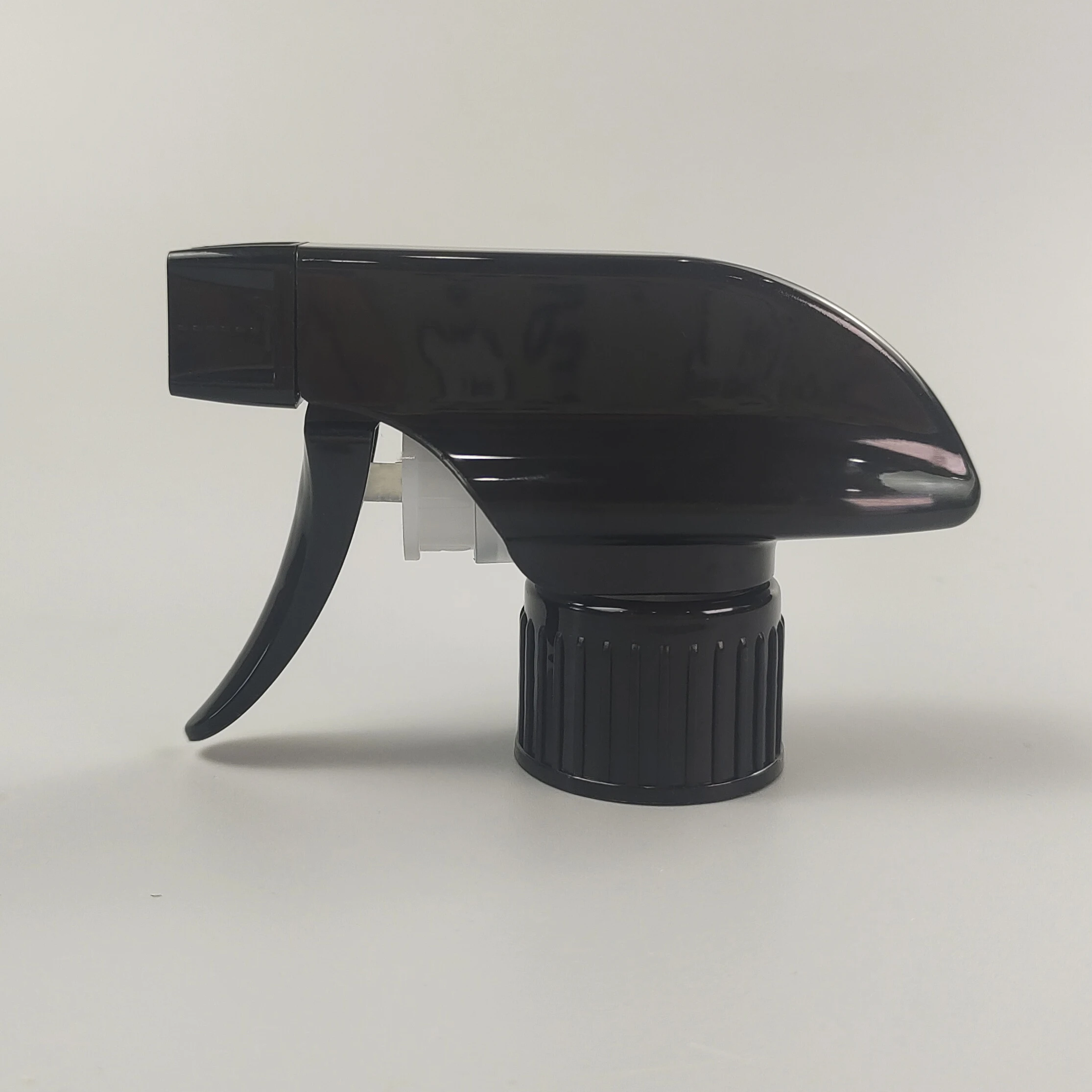
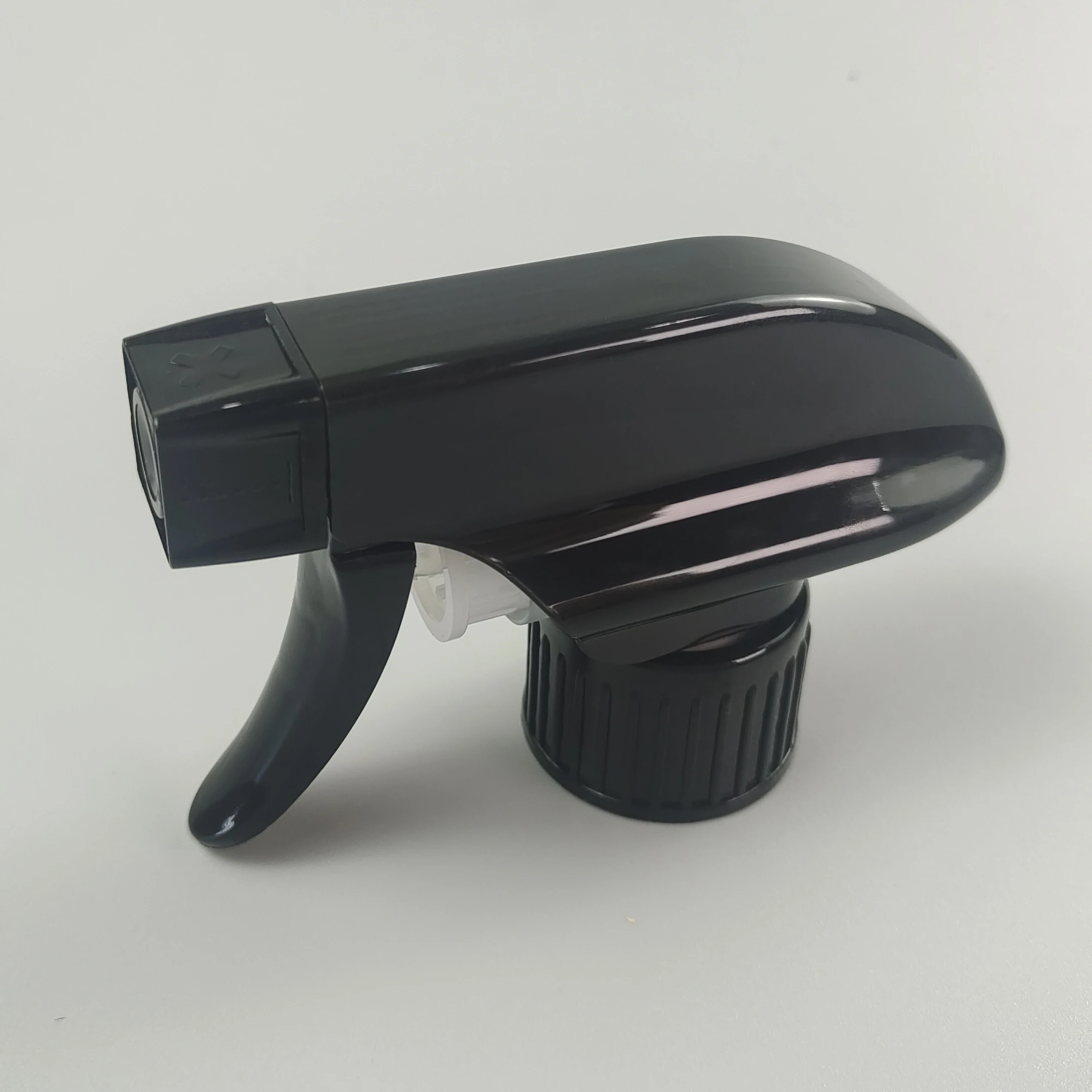
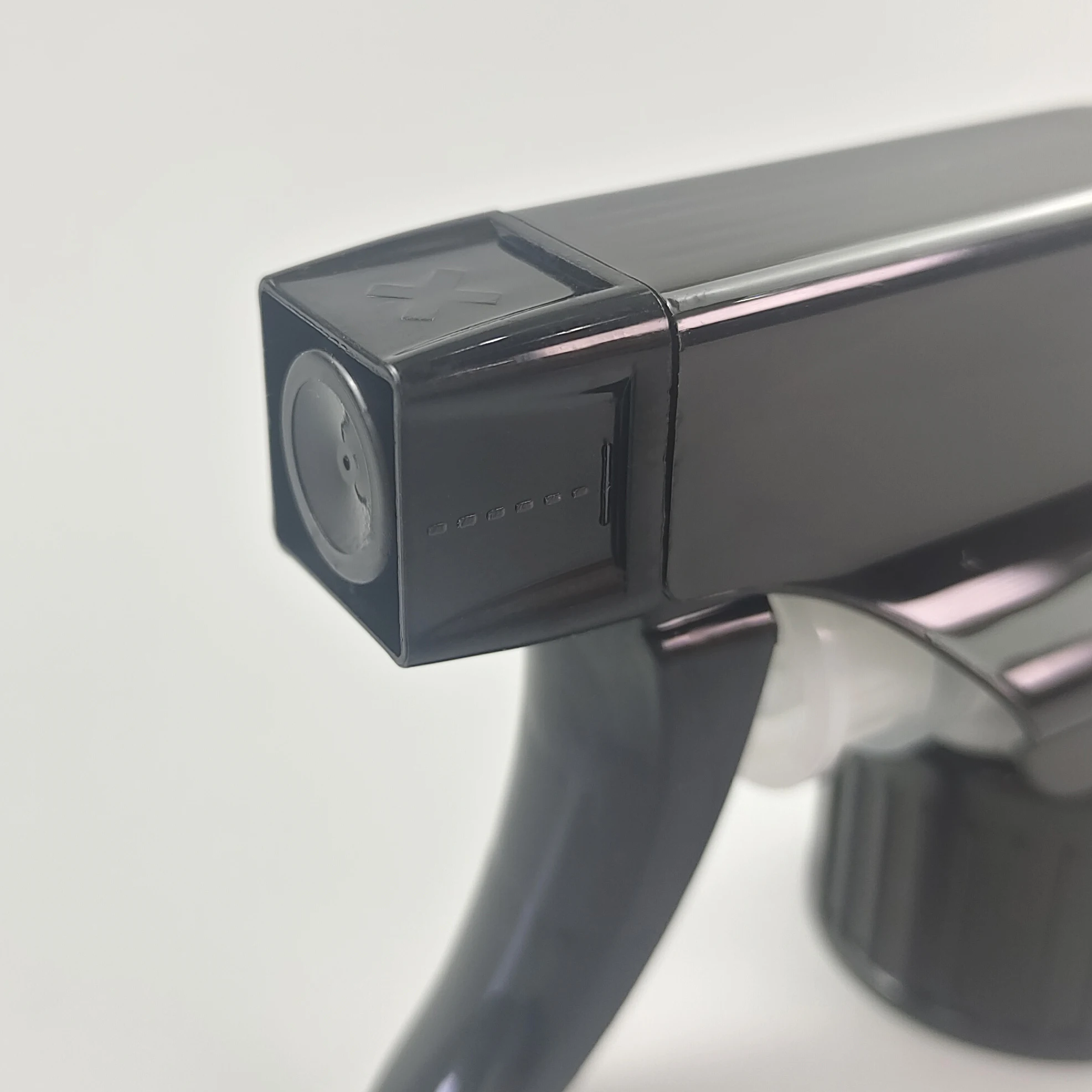
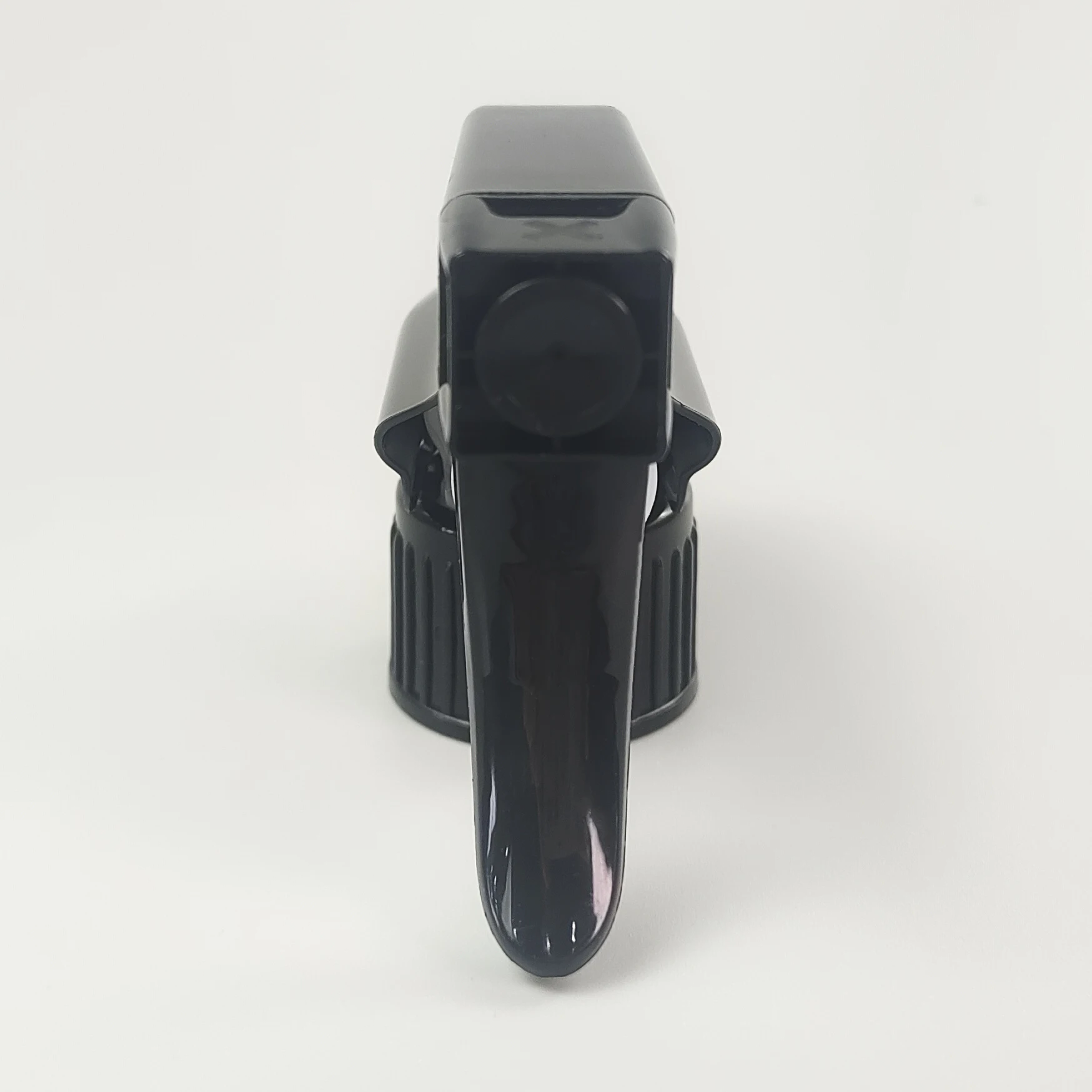
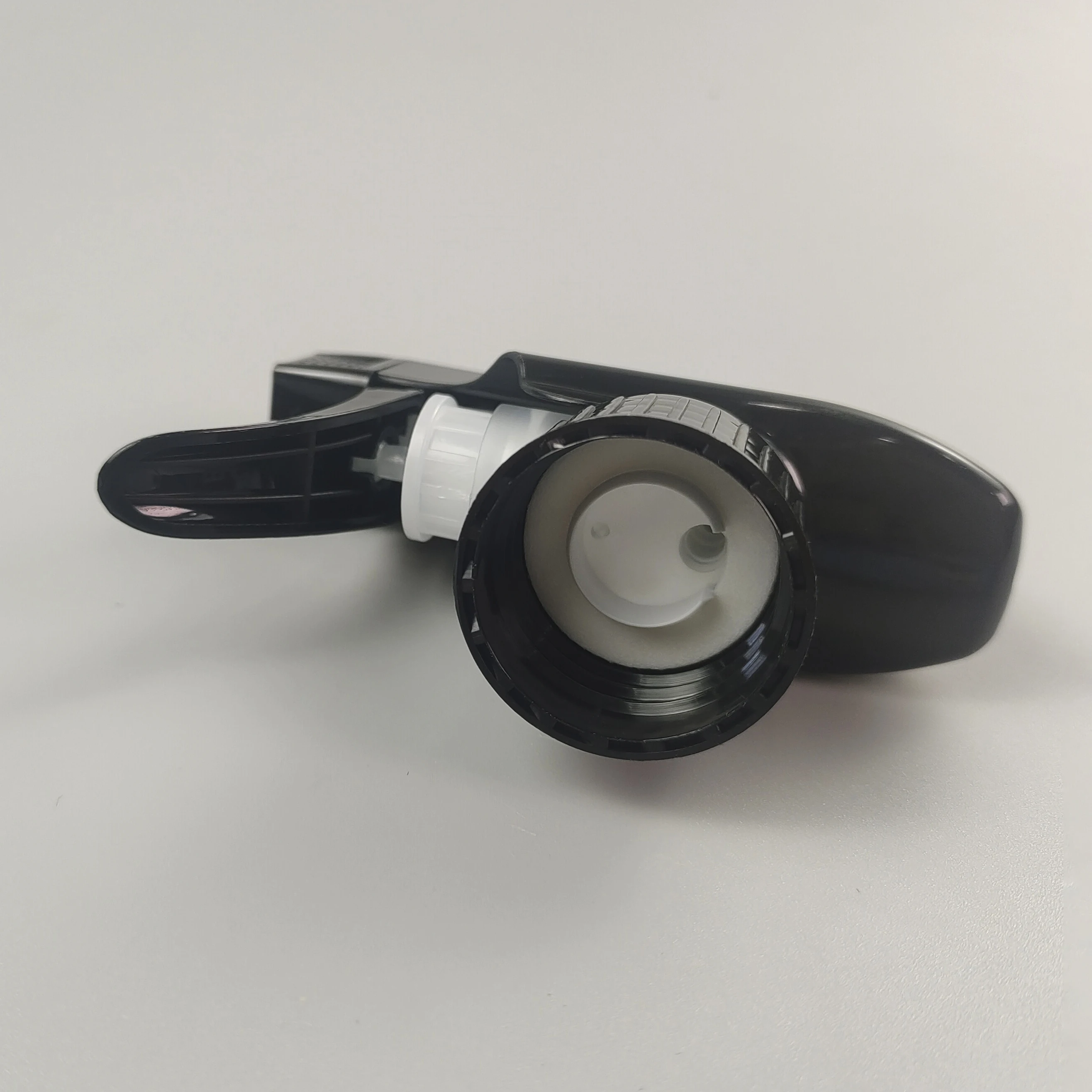
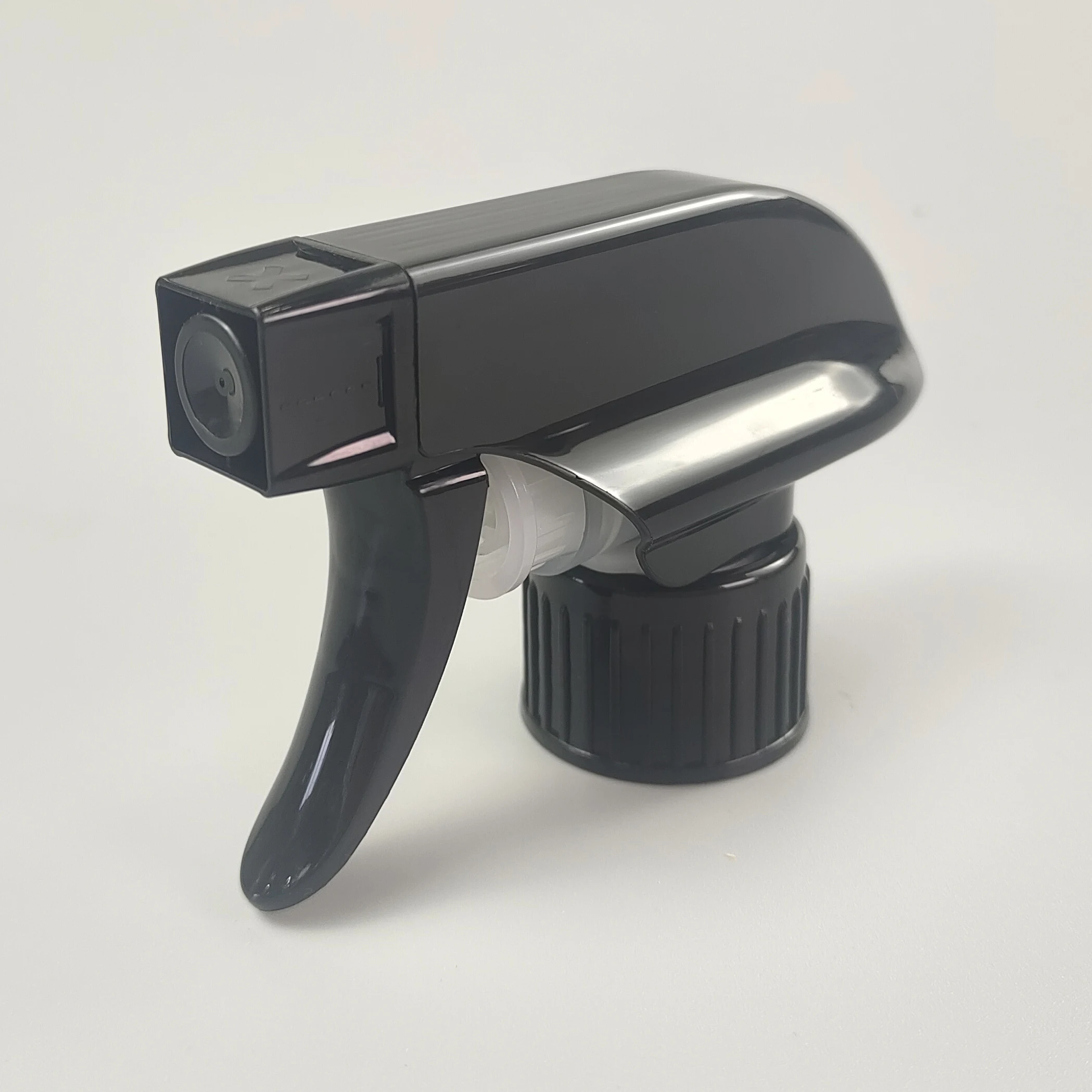


Before placing an order, align the purchase specification with the physical package rather than relying on a general product label. Confirm the bottle supplier, exact neck-finish drawing, desired dip-tube length, closure color, formula characteristics, and the practical dispensing pattern required by the end user. If the product is intended for a cleaning liquid, review the liquid with the closure and bottle as an assembled sample. If the product is intended for another chemical application, use the same disciplined approach and obtain evidence appropriate to that formulation. Keep sample observations tied to the selected configuration, since a different bottle, liquid, or trigger option can change the outcome.
For a procurement file, it is useful to record which closure option was tested, the number of press cycles observed, the orientation used during dispensing, and any leakage or fitment observations. This does not create an unsupported performance promise; it gives the buyer a repeatable way to compare proposed components. The listing provides a starting specification, while the final approval should be based on the buyer’s own sample criteria and the current supplier confirmation.


 EN
EN