 ×
×

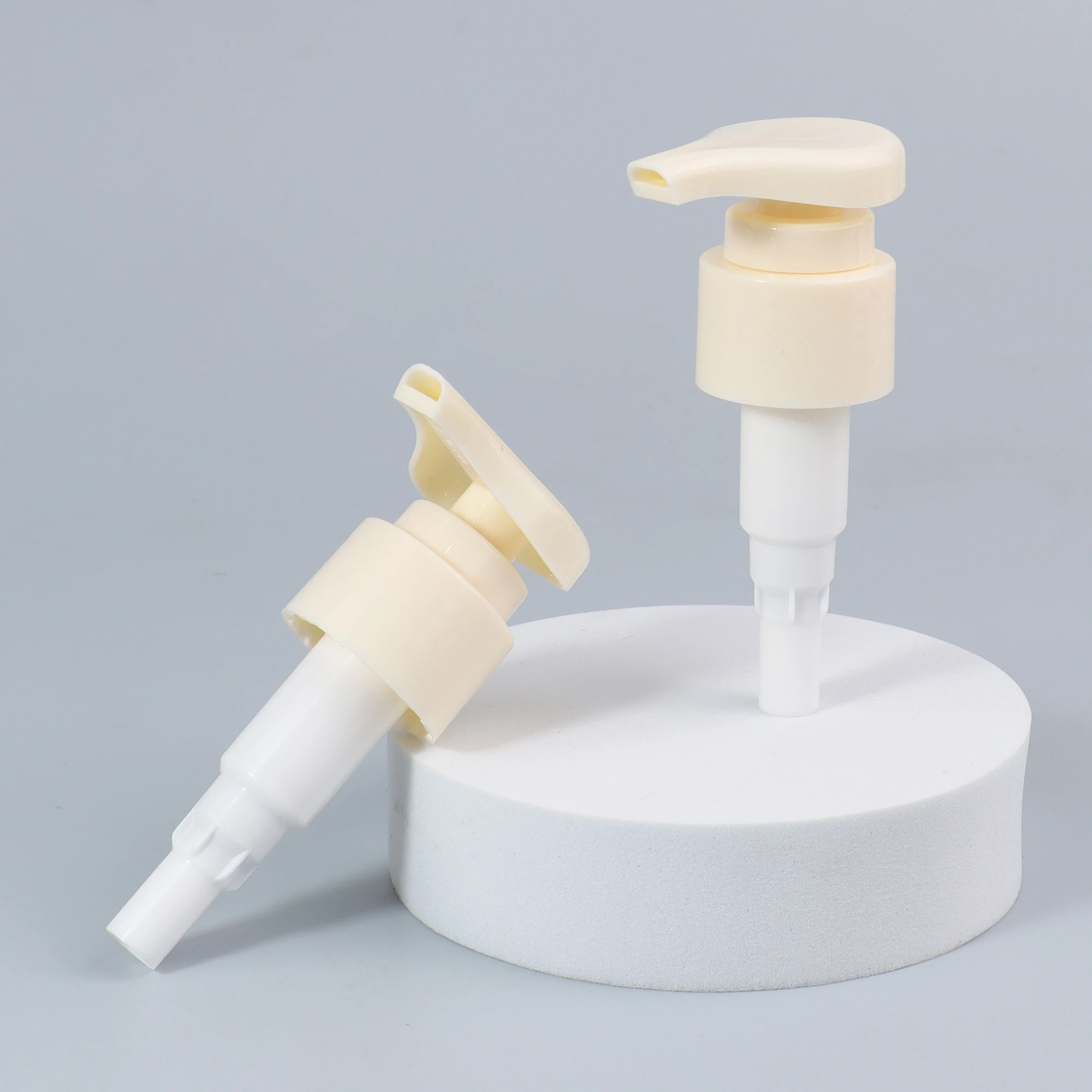
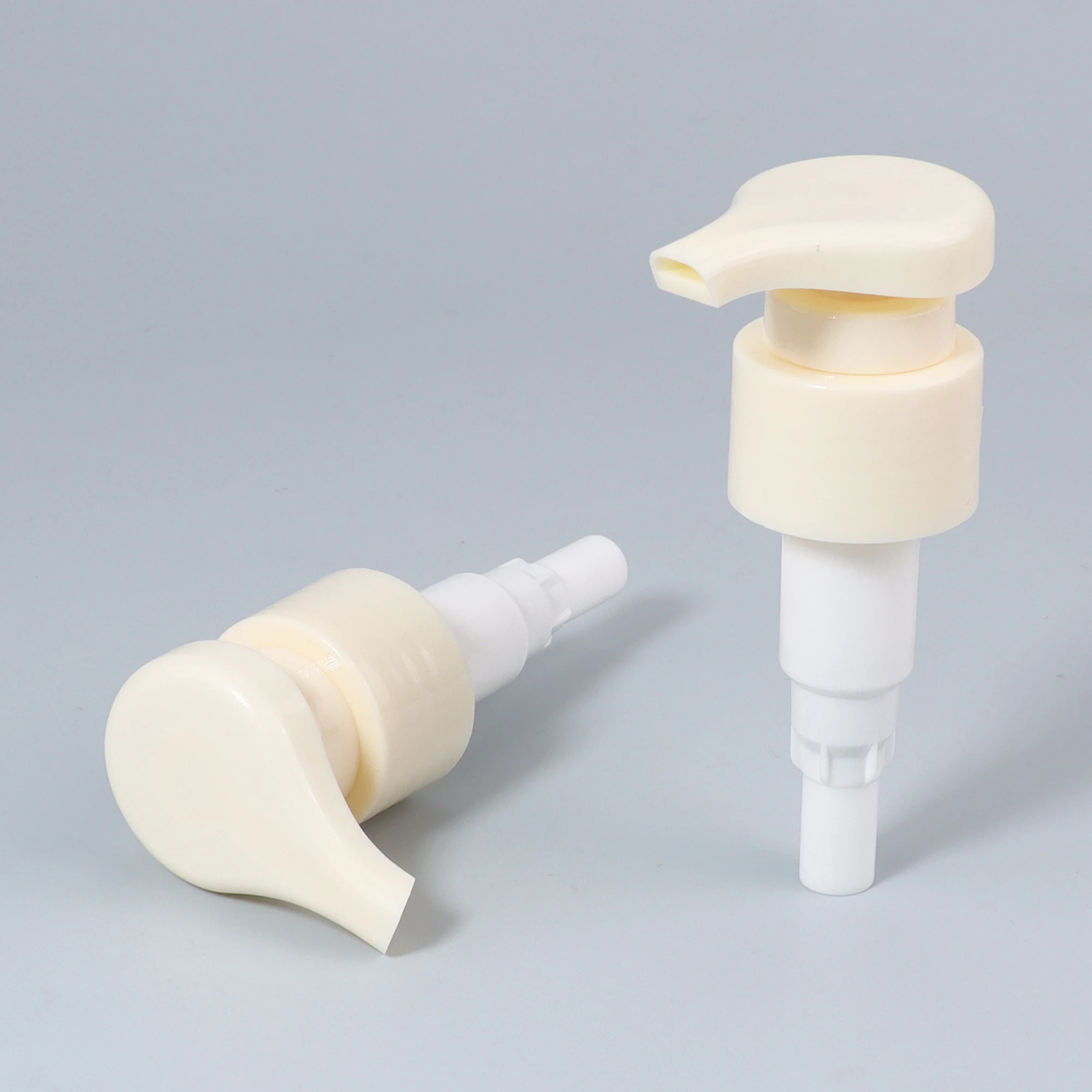
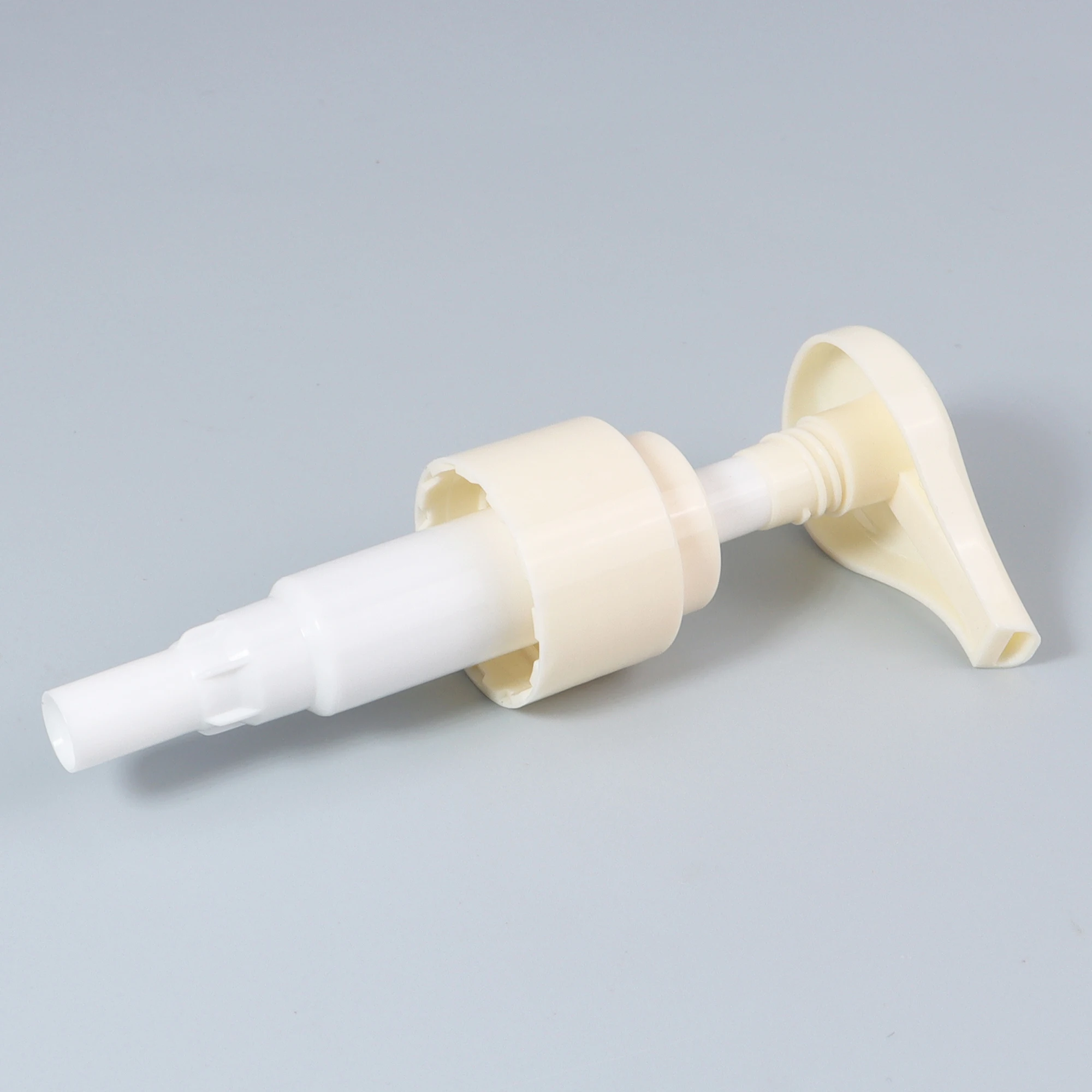
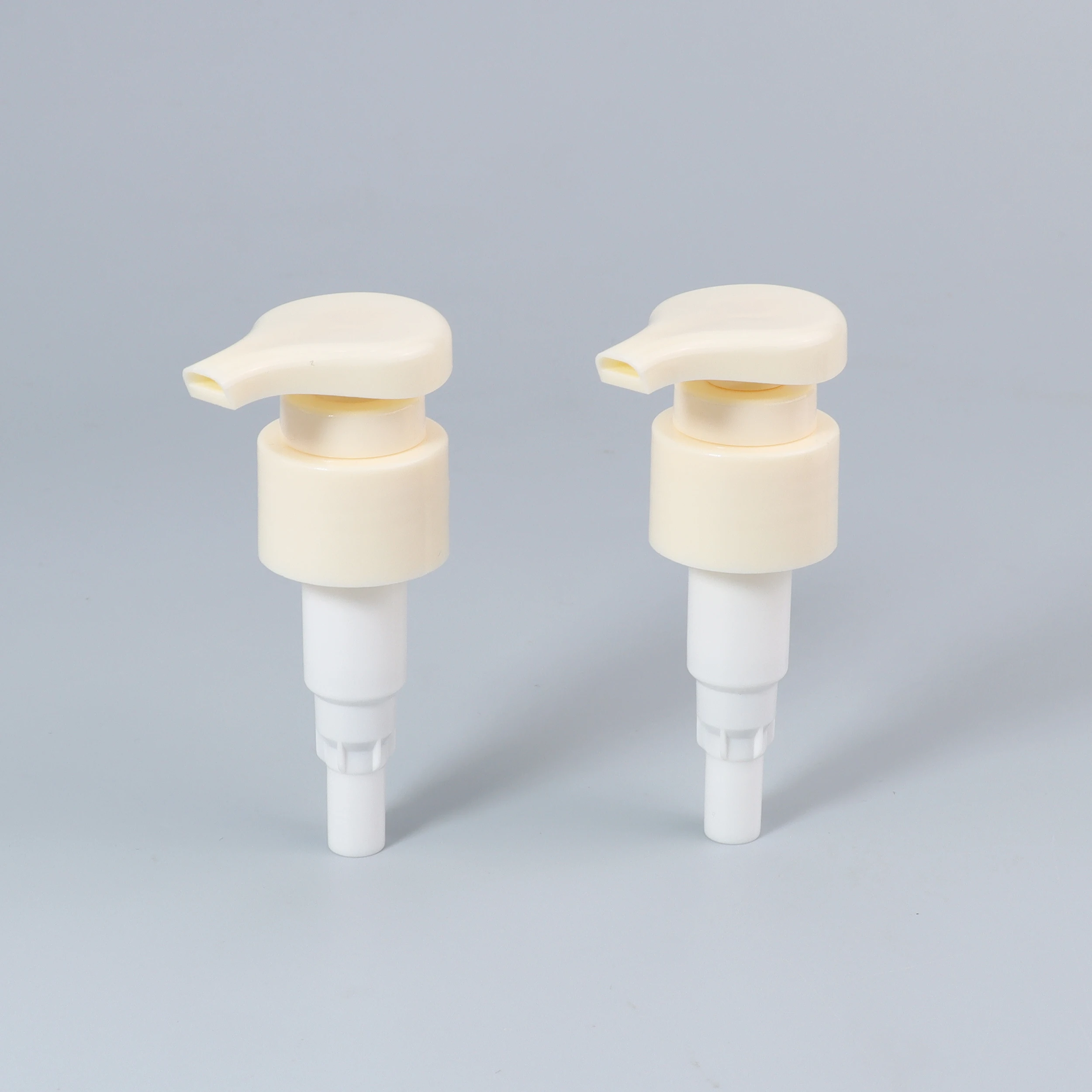
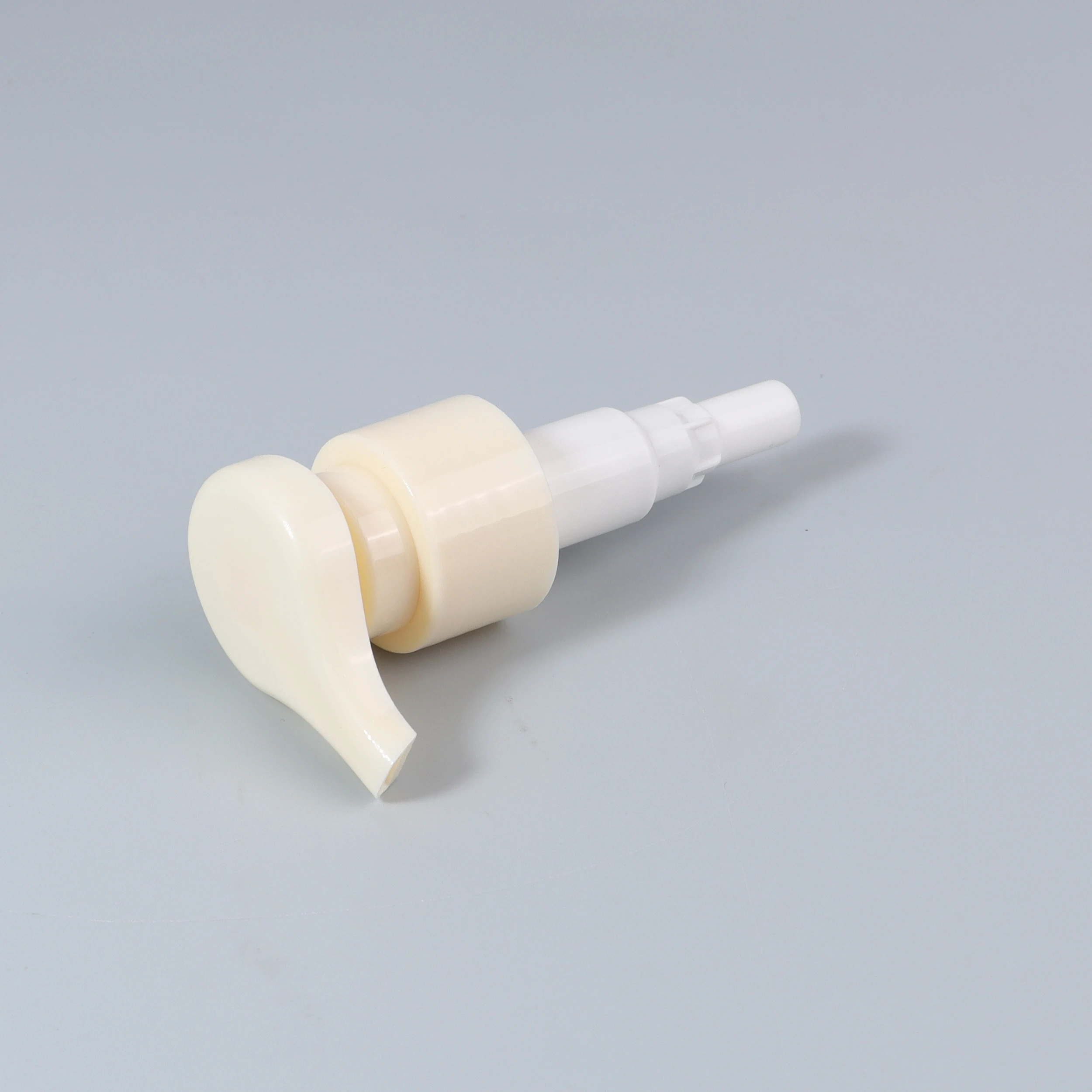
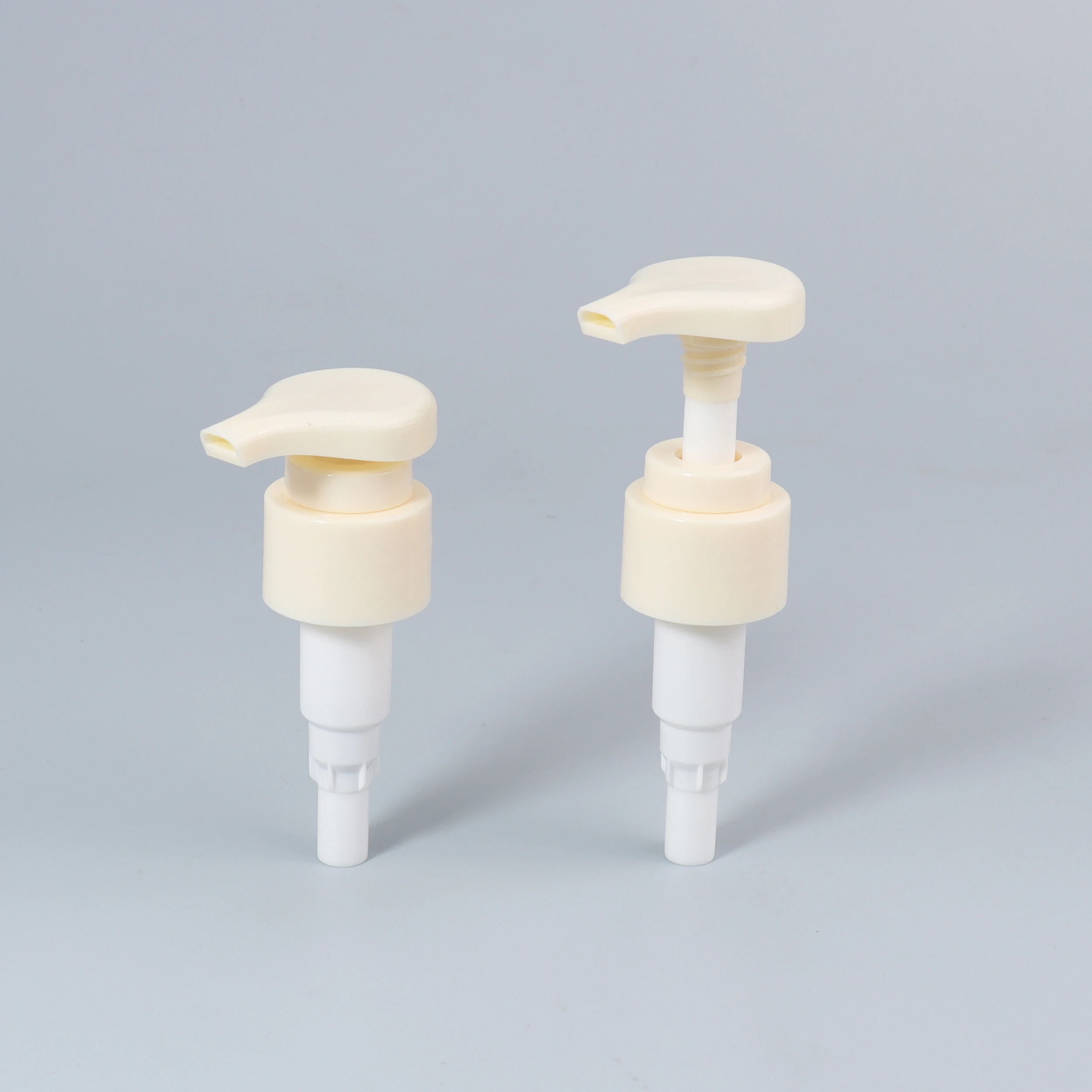
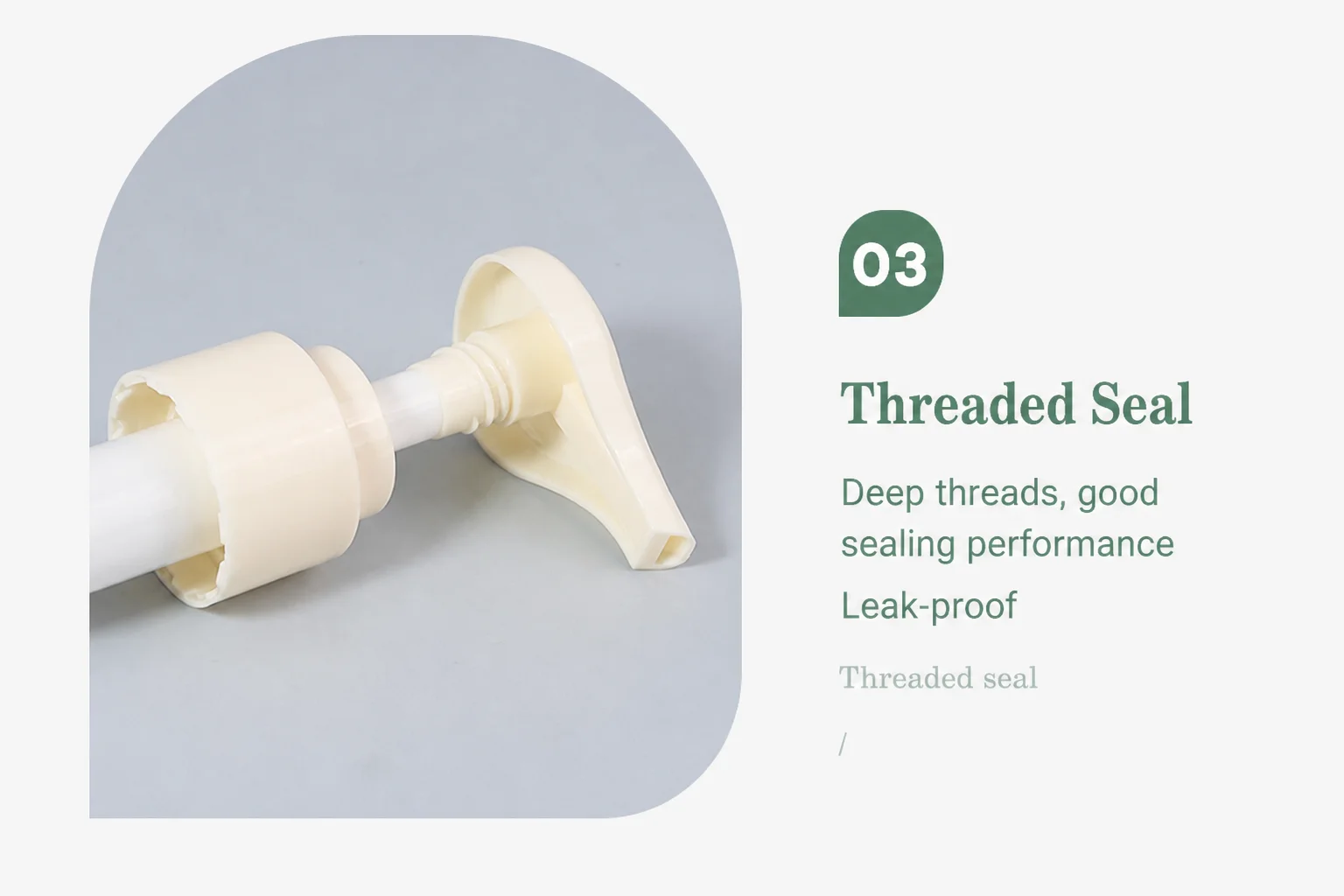
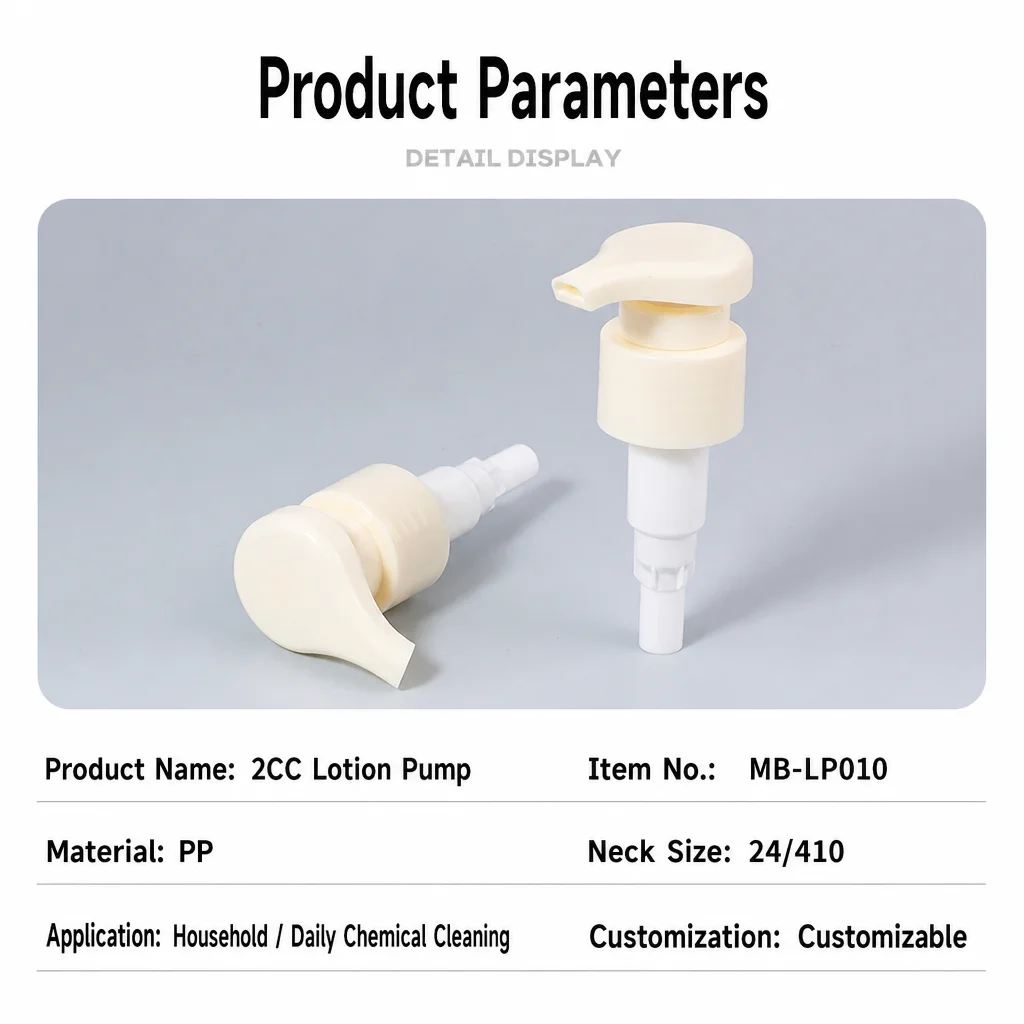
The this foam-pump option is a plastic, spring-loaded dispensing component presented for foam soap, hand soap, and lotion-related packaging discussions. It is intended for buyers who need to evaluate a foam-pump option alongside the bottle, formula, desired user experience, and finished-pack presentation. The product title identifies a 24/410 pump reference. Before a production decision, confirm the exact bottle-neck profile, closure dimensions, dip-tube requirement, color, finish, and formula compatibility with a physical sample.
For a packaging project, a this foam-pump option should be assessed as part of a complete dispensing system rather than as an isolated component. A nominal neck-finish reference is useful for initial sourcing, but it is not a guarantee that every bottle with a similar label will fit. Thread profile, neck height, sealing land, and manufacturing tolerance can affect assembly. That is why sample fitting is a practical first step before confirming an order.
This this foam-pump option uses a spring-loaded mechanism according to the supplied product description. The existing material also describes a 2 CC dispense-volume statement. Treat that value as a source-provided reference to be verified against the actual formula and test method. Dispense behavior can vary with actuation speed, fill level, viscosity, bottle geometry, and the particular component combination used in a project.
| Item | Source-supported information |
|---|---|
| Product reference | 24mm / 24/410 foam pump wording in supplied title |
| Mechanism | Spring-loaded mechanism stated in existing description |
| Material description | Plastic stated in existing description |
| Dispense reference | 2 CC stated in existing description; confirm by sample testing |
| Potential use context | Foam soap, hand soap, and lotion-related dispensing stated in source material |
For hand-wash packaging, the this foam-pump option may be considered where a foam-dispensing format suits the intended formula. The final decision should follow compatibility, priming, output, leak, and user-actuation tests. For cosmetic or personal-care packaging, it may be evaluated when the planned formula and bottle are specifically matched to the pump. This is especially important when viscosity, oils, alcohol, acids, fragrance, or storage conditions differ from sample assumptions.
The this foam-pump option can also be reviewed for branded dispenser projects where a gold cosmetic presentation is relevant to the design brief. Appearance alone, however, does not demonstrate functional suitability. A smooth single press is useful feedback, while repeat-actuation, shipment, storage, and filled-product tests give a more complete view.
A common mistake is treating a nominal 24/410 label as universal compatibility. The this foam-pump option should be fitted to the actual bottle before purchase approval. Ask for a sample or dimensional confirmation, then check the assembled collar position, closure engagement, tube length, seal behavior, and actuation under normal use. If your project uses a formula outside ordinary foam-soap testing, request a formula-specific evaluation rather than assuming that a standard pump configuration will perform the same way.
Likewise, the this foam-pump option should not be selected only from a nominal dispense statement. A stated 2 CC reference can be helpful, but actual delivery depends on the finished system and test conditions. Use a defined test protocol for press speed, bottle orientation, number of priming strokes, and sample size. That makes comparisons clearer across candidate pumps.
Packaging buyers often need a workable balance of appearance, dispensing behavior, sourcing practicality, and launch timing. The this foam-pump option provides a product reference for that evaluation, while the product-specific evidence available here remains limited. A verification-first process helps avoid mismatches between a listing, a sample, and production use. Document the bottle drawing, formula category, expected output, actuator color, surface expectation, and acceptance criteria before committing to mass production.
For OEM or ODM discussions, clarify which details are stock options and which require development. A this foam-pump option may be a suitable starting point for a branded package, but availability of a particular finish, logo treatment, or packing method must be confirmed. Keep approved samples and written specifications aligned so that later production review uses the same reference.
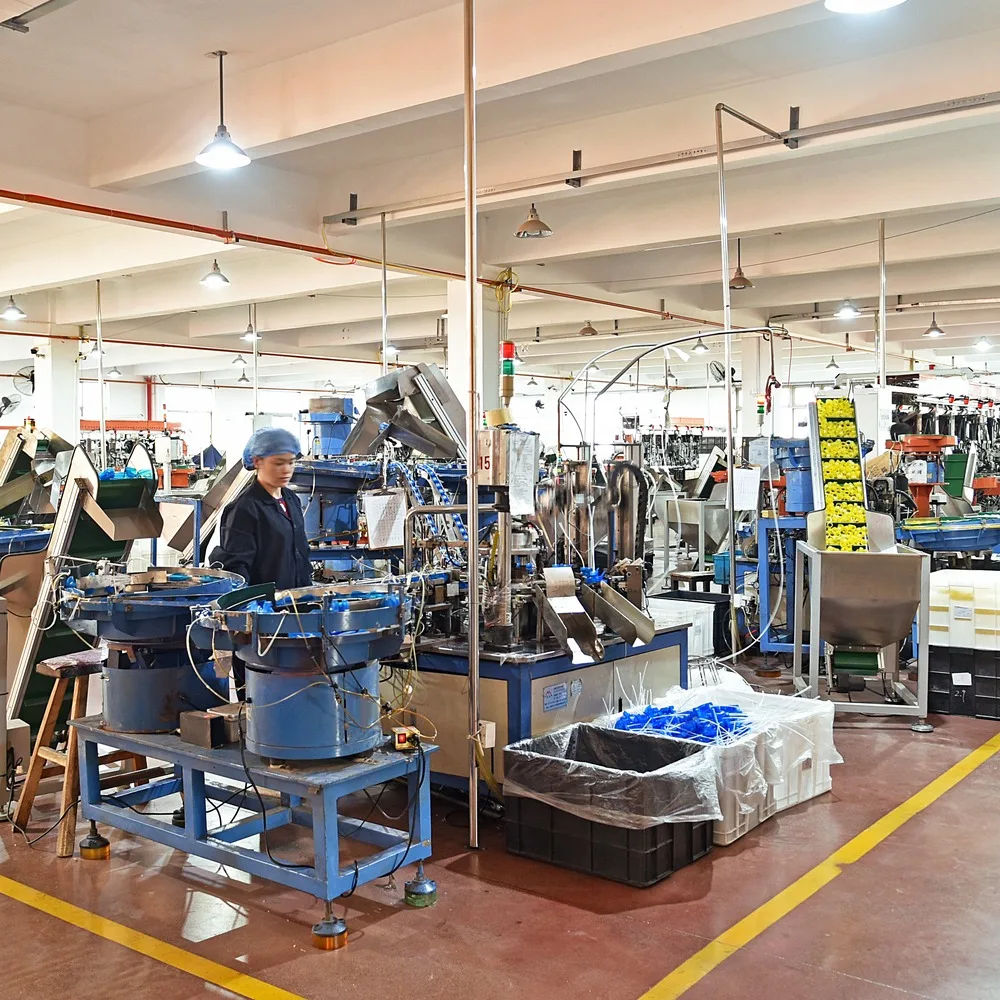
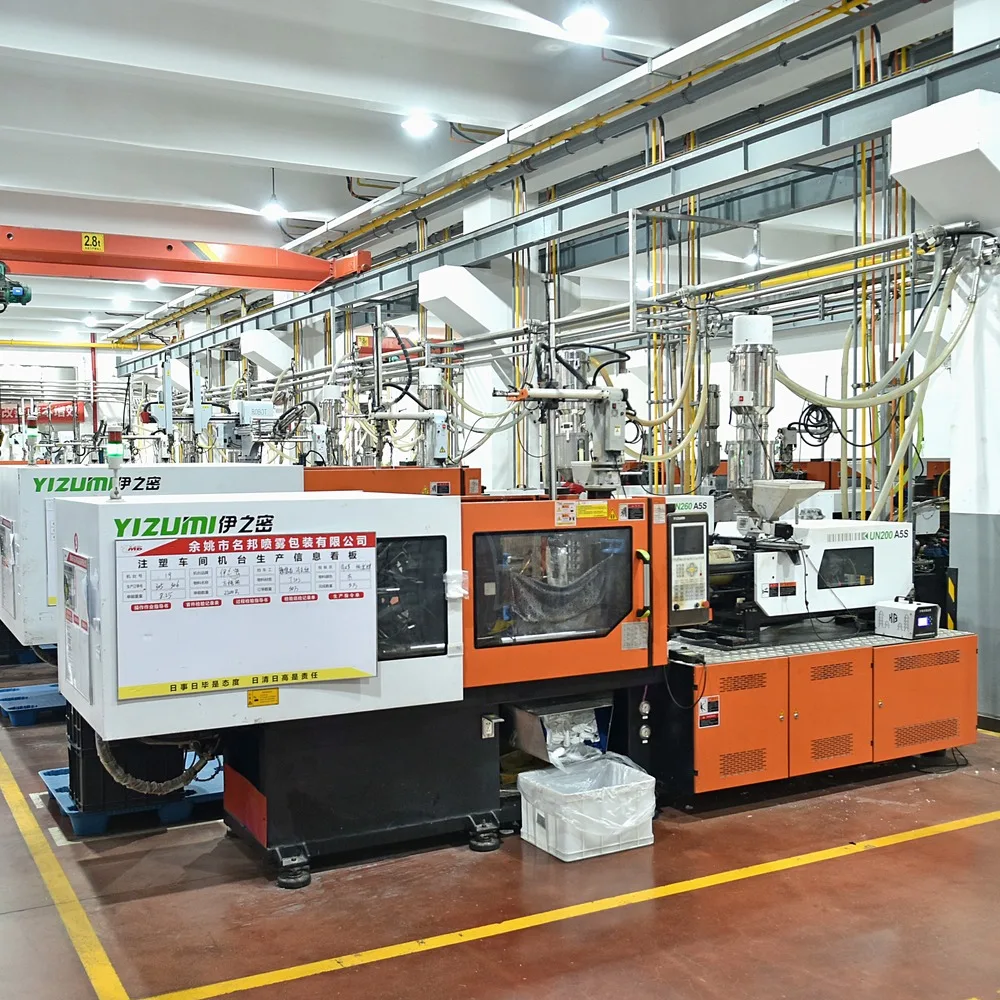
The following original product and company images are retained from the supplied description for editorial continuity.
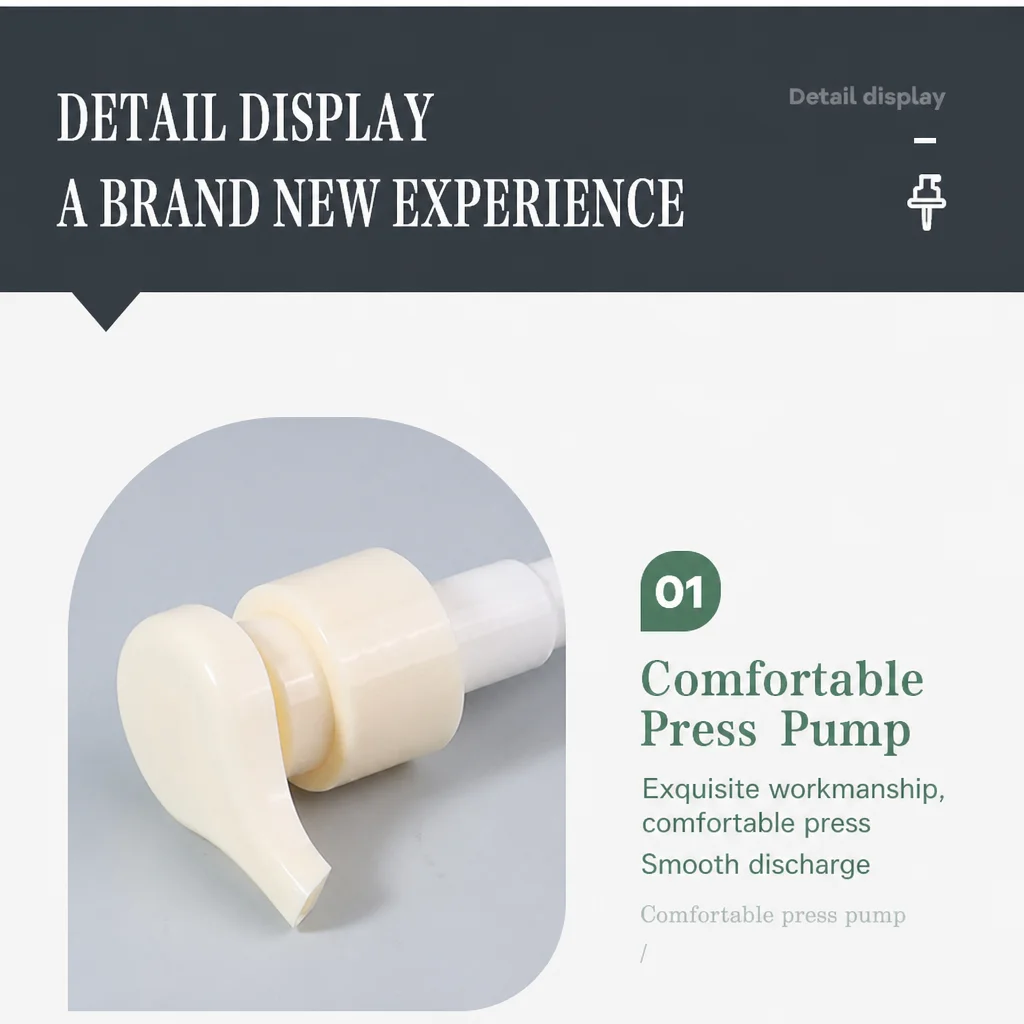
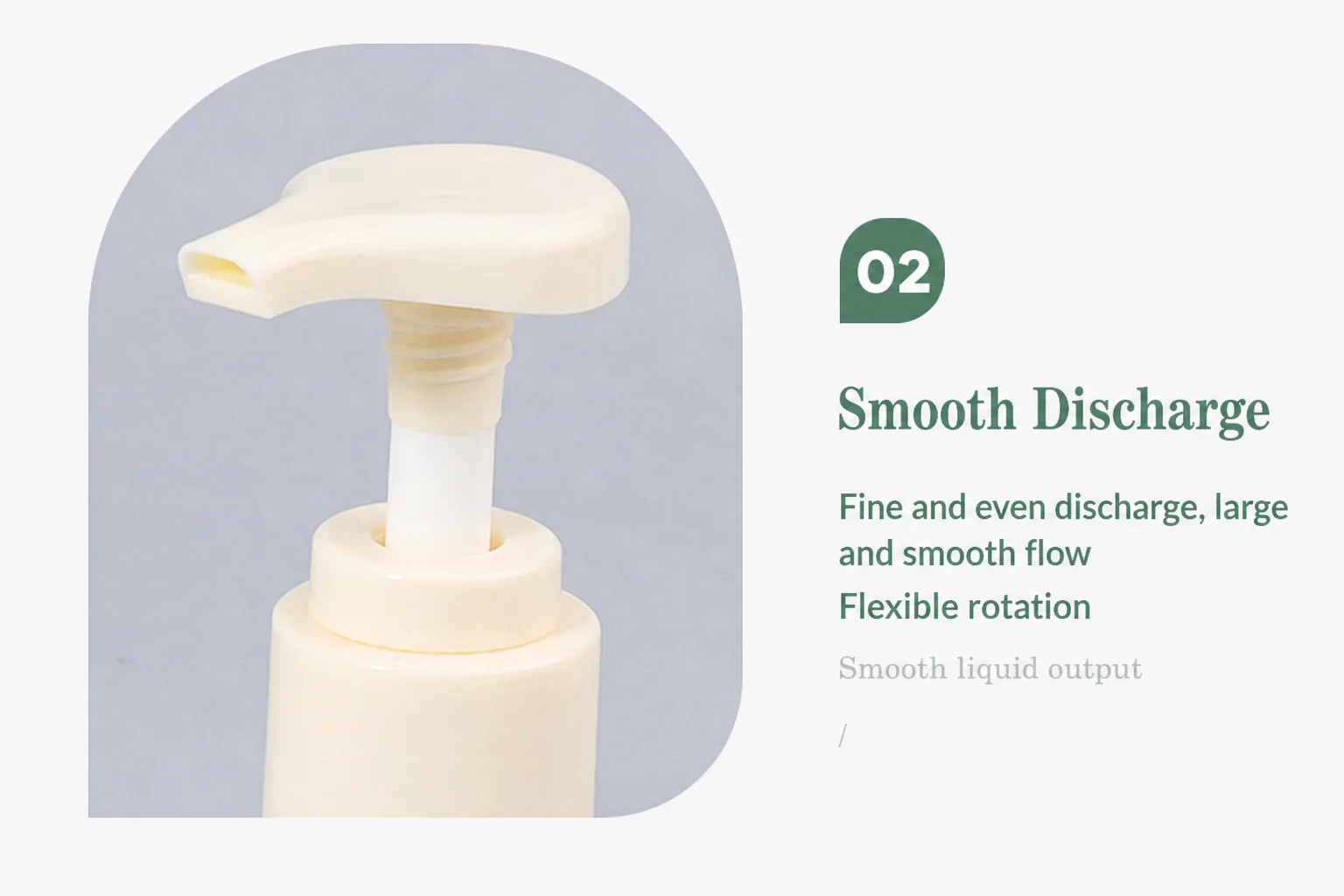

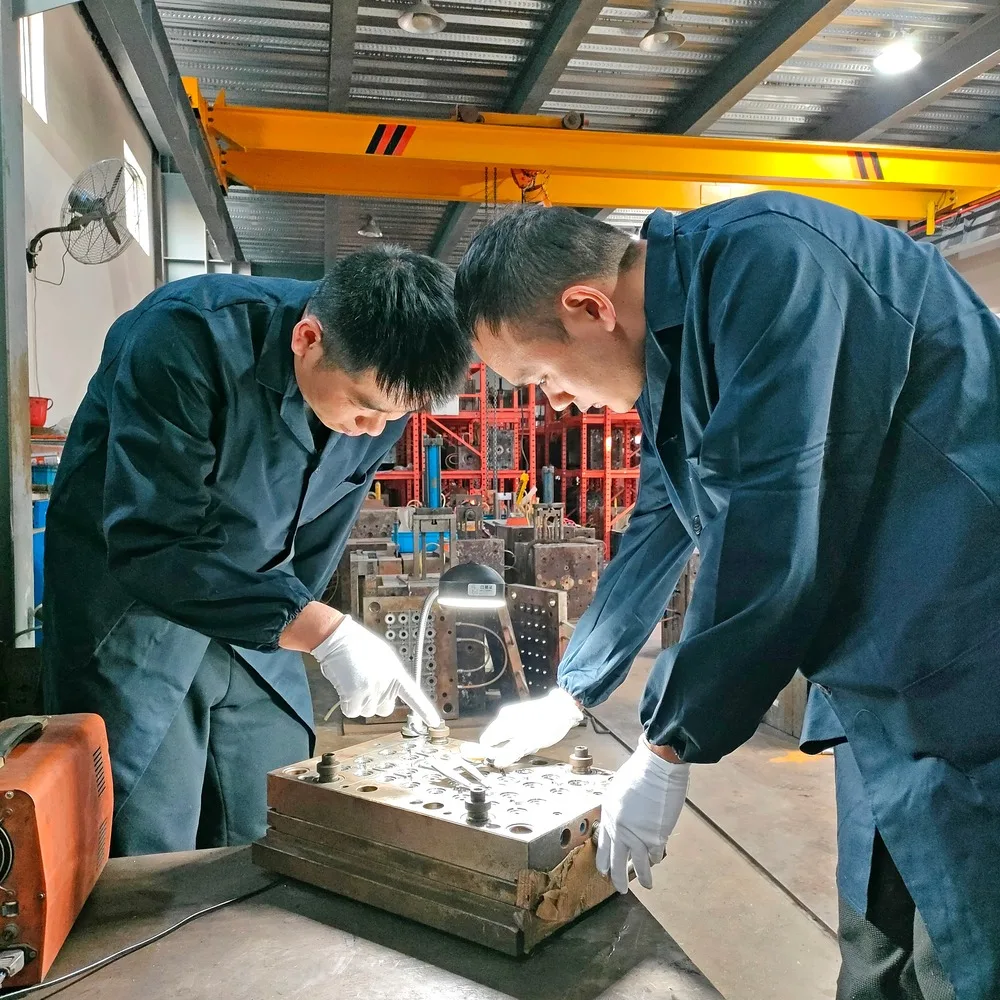
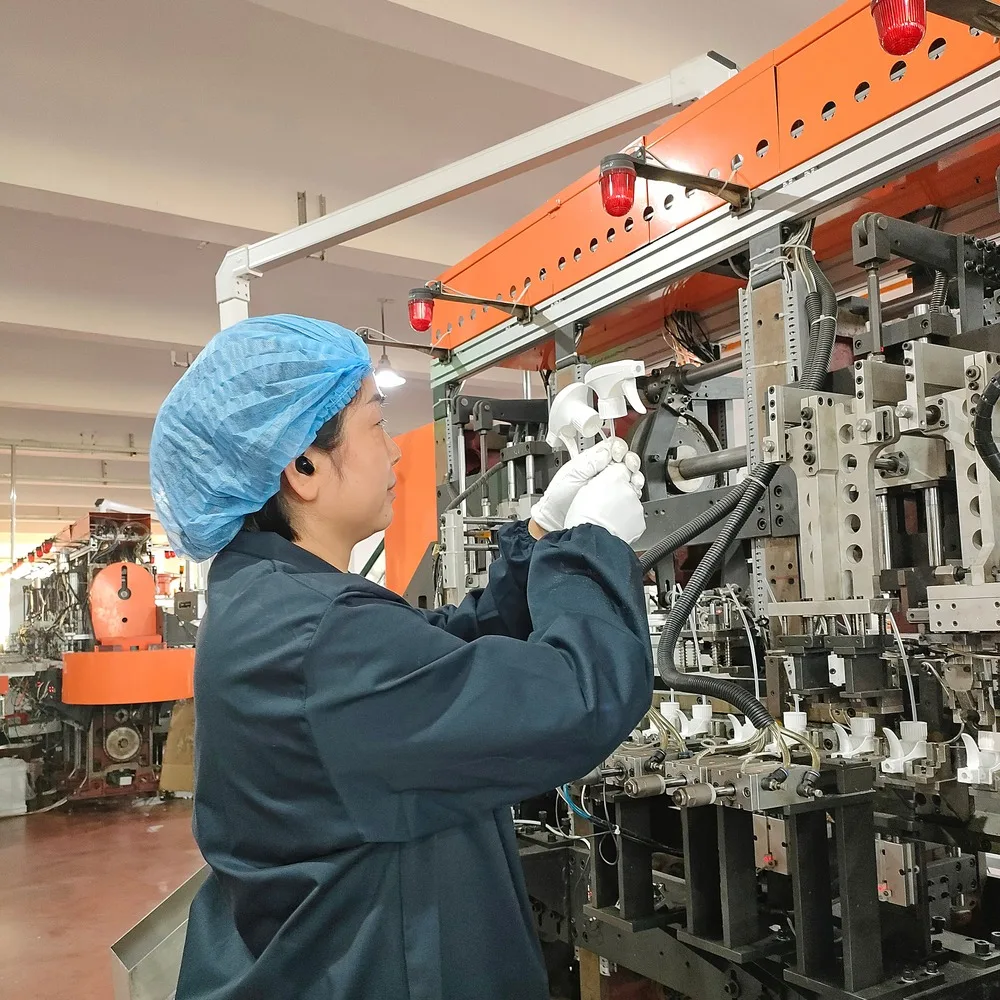
Share the bottle sample, formula type, target dispensing experience, and any branding requirement for a focused compatibility review. The this foam-pump option should be approved only after the finished system has been assessed against the project’s own requirements.


 EN
EN