 ×
×

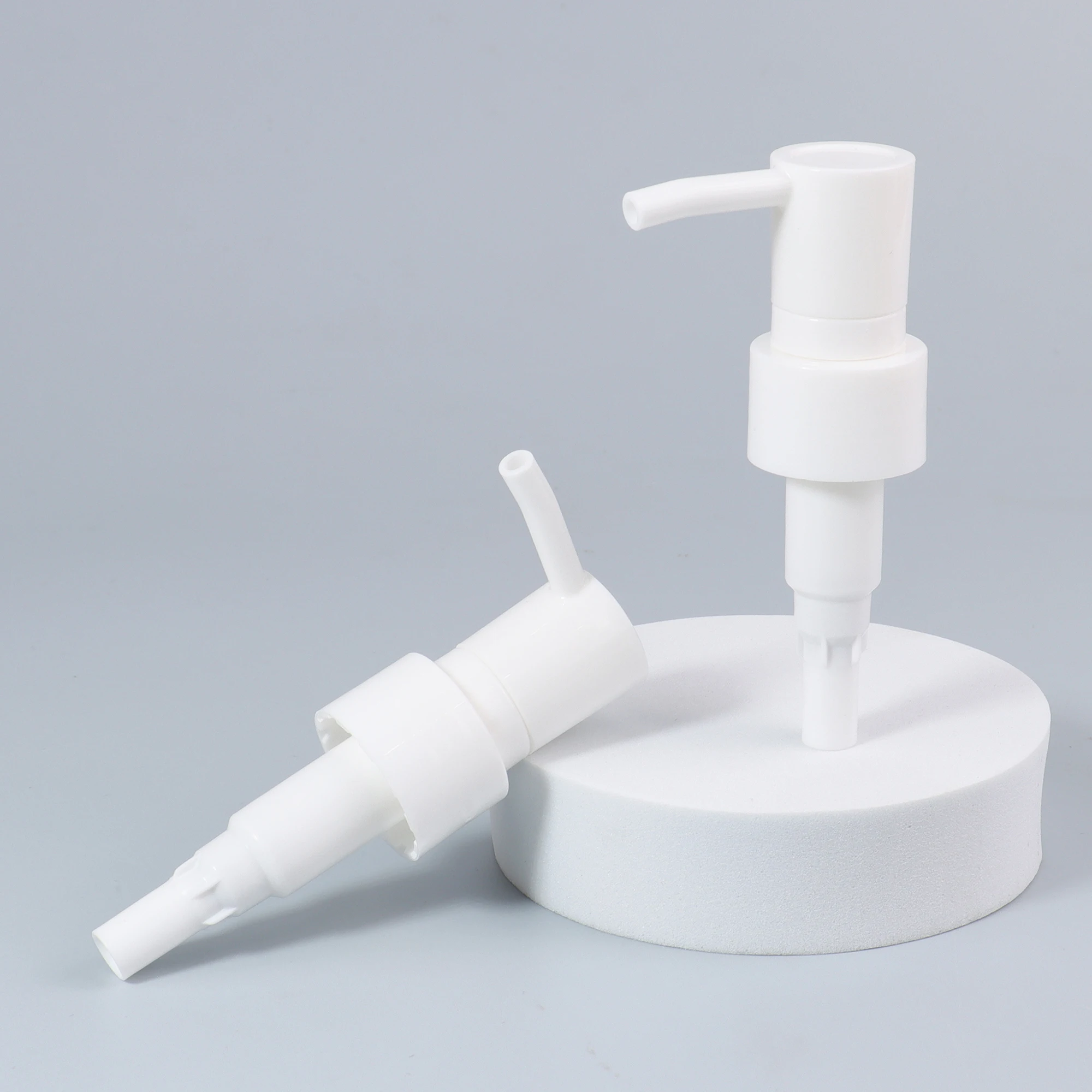
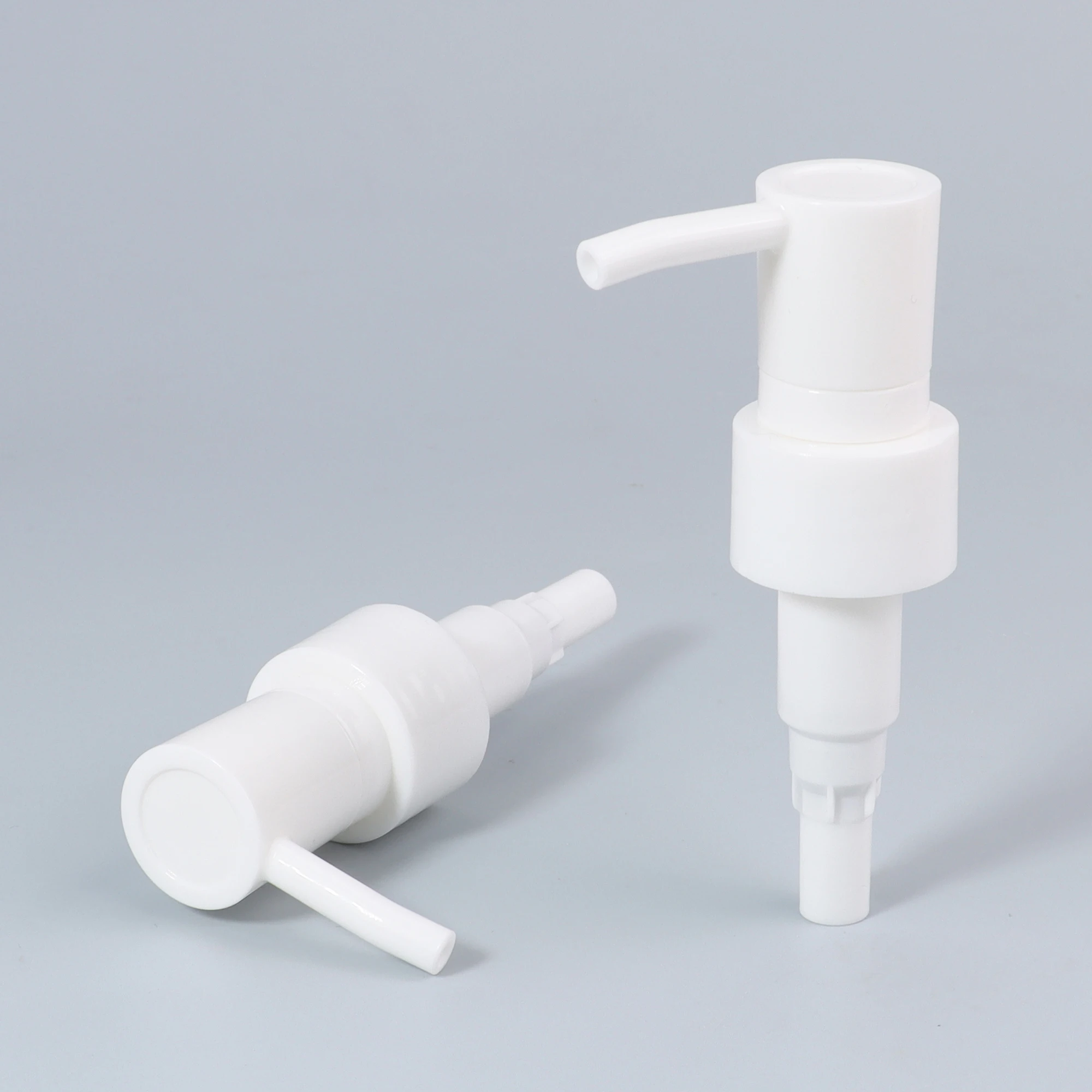
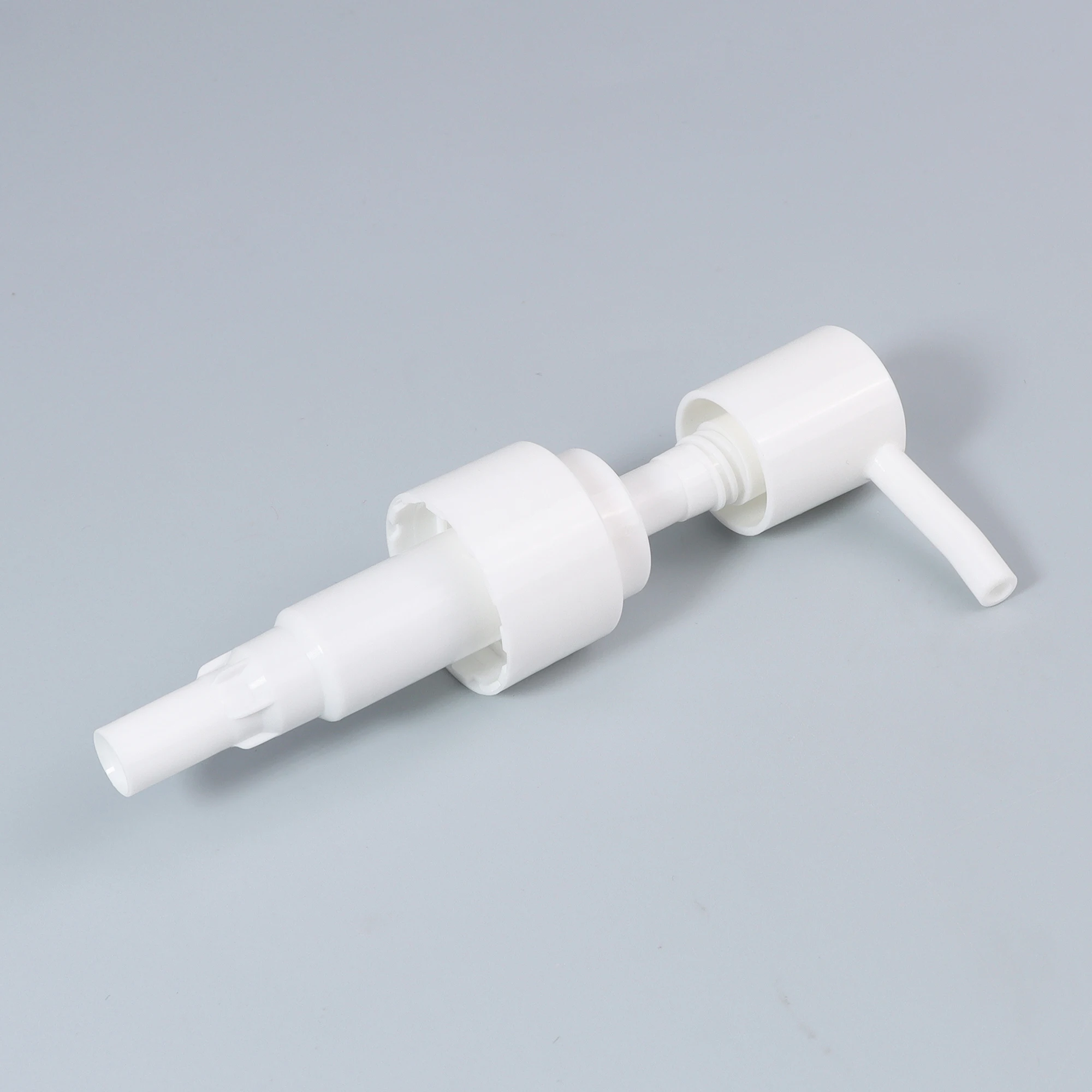
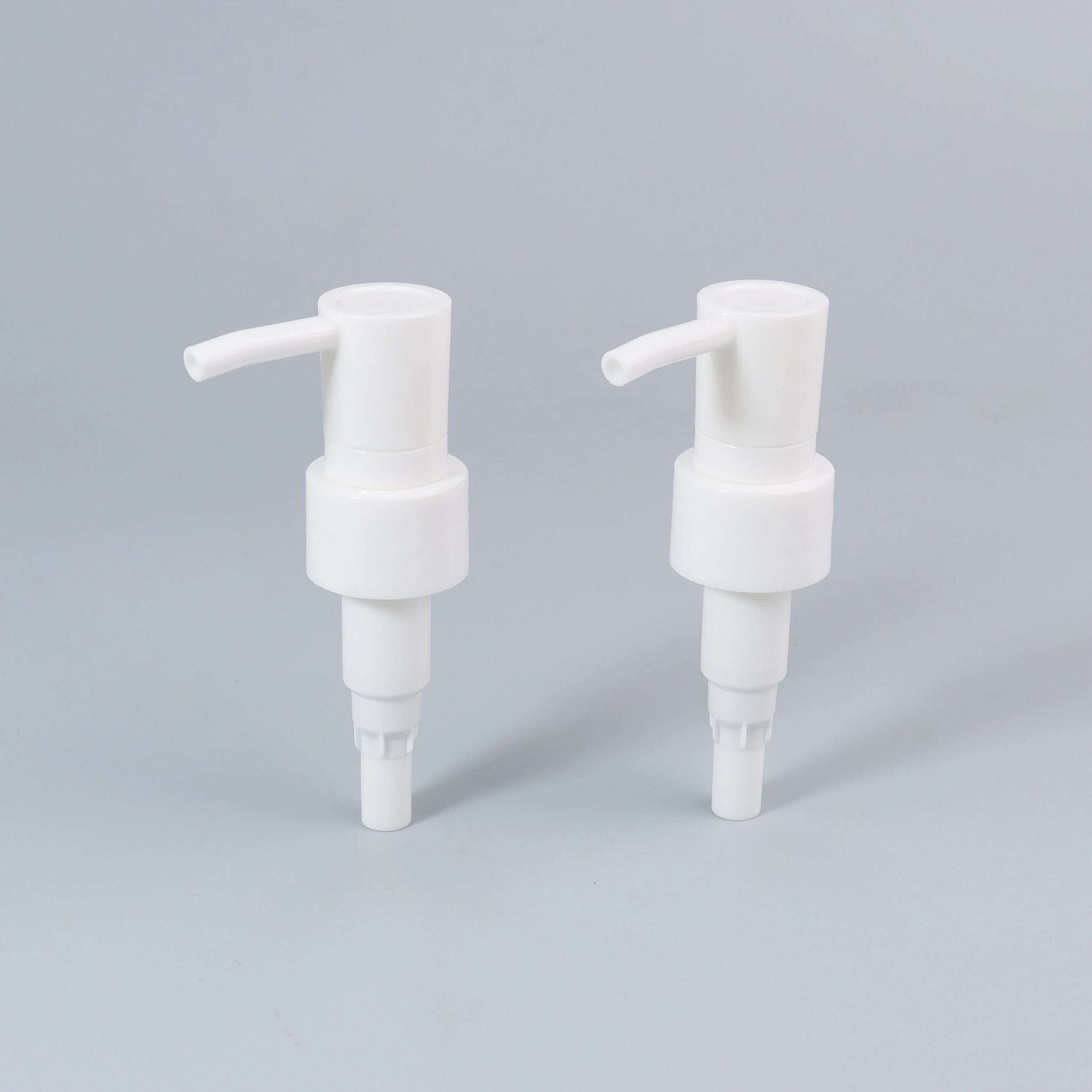
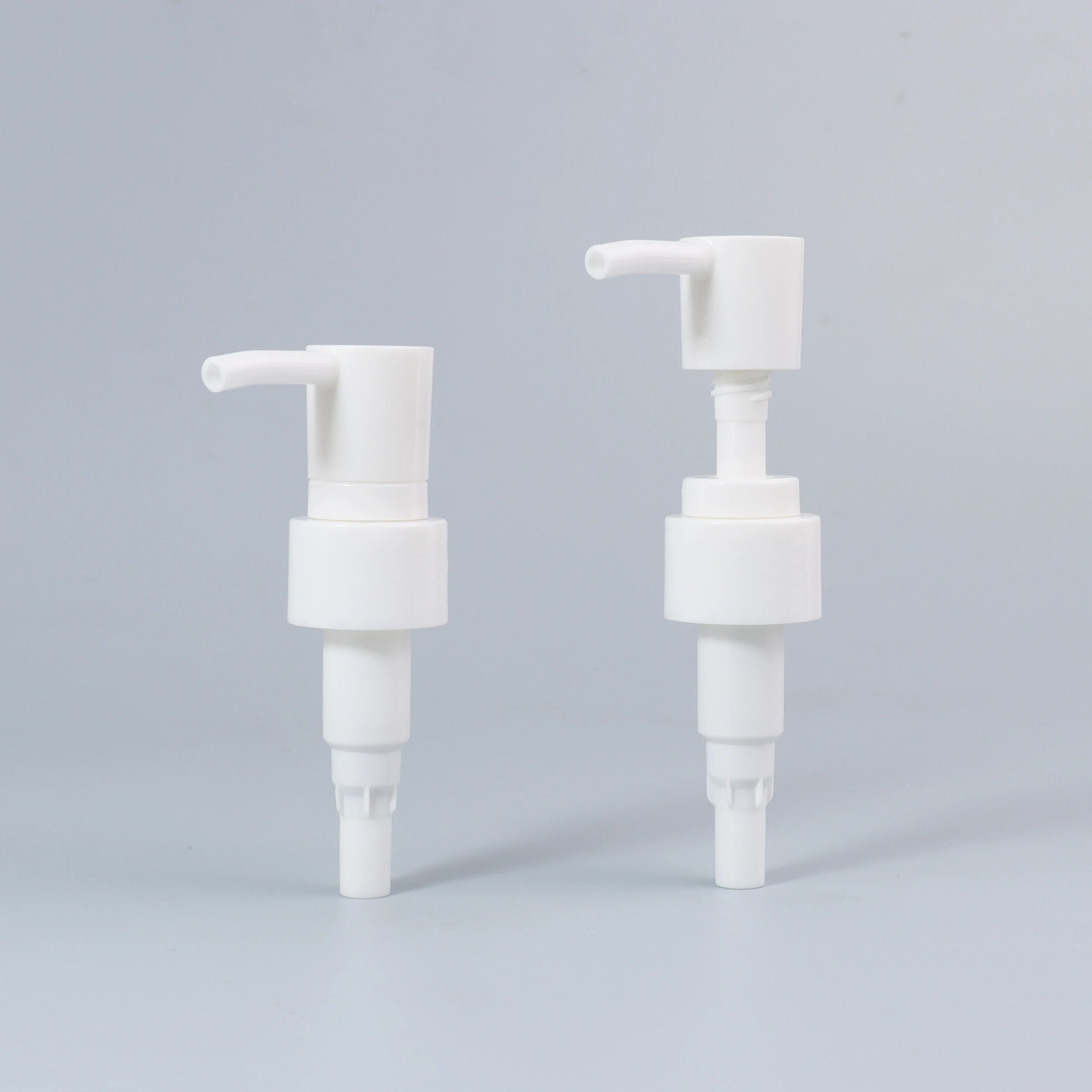
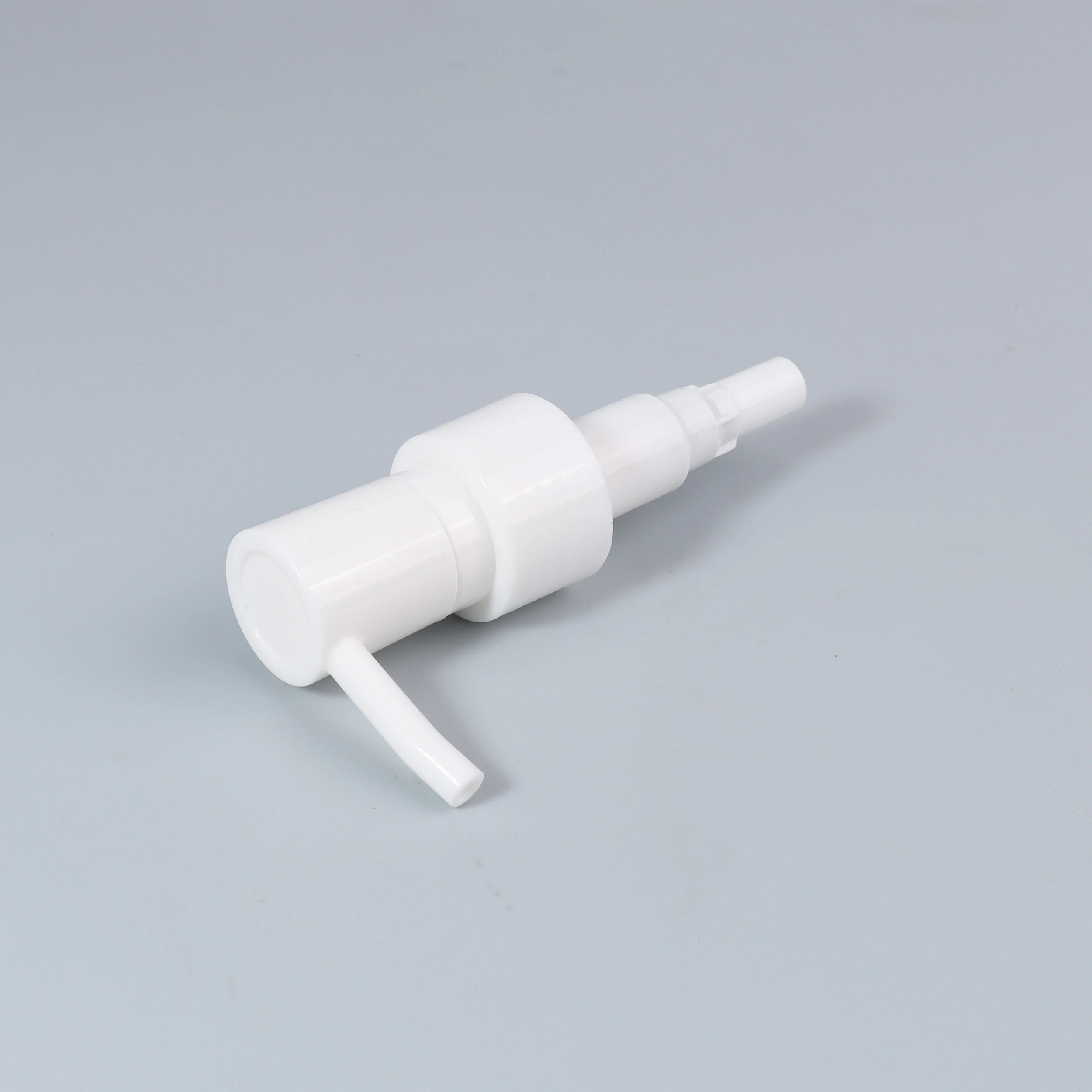
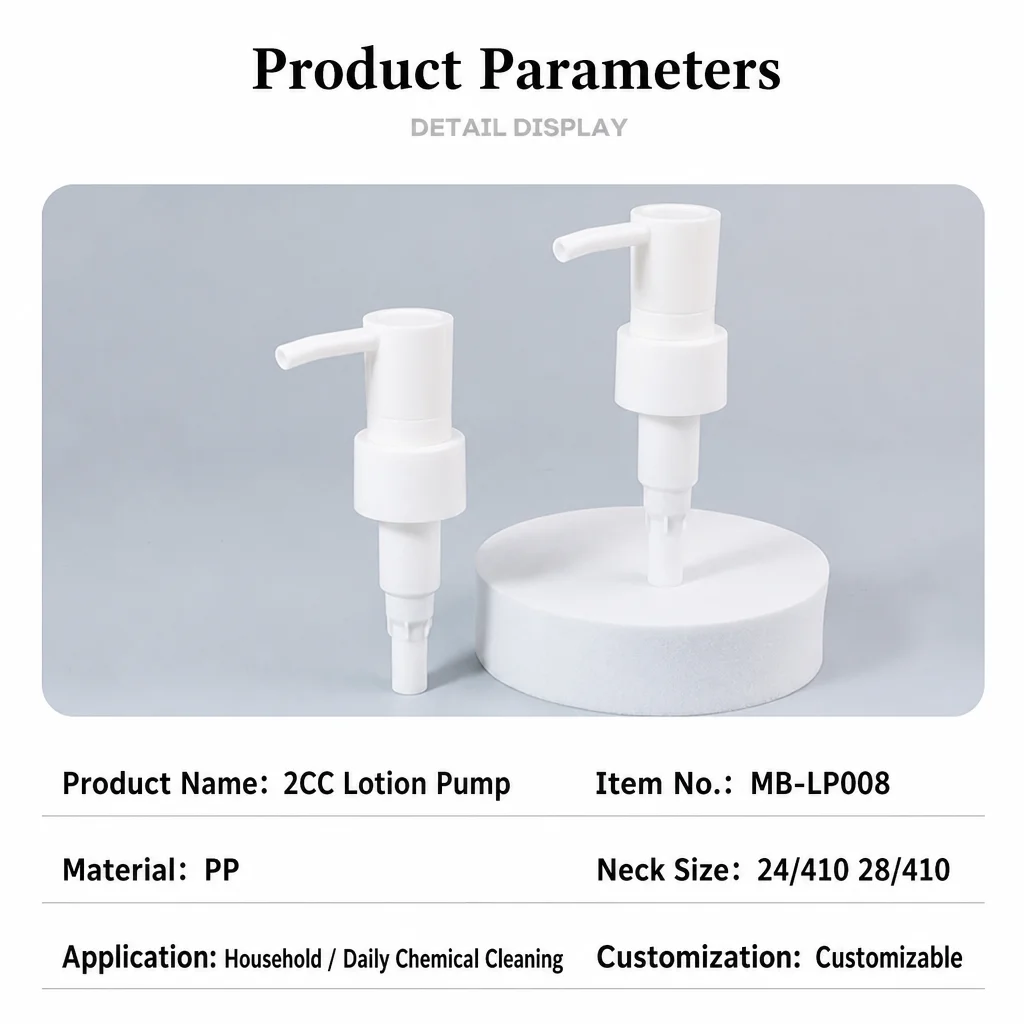
This product is a plastic, spring-loaded dispenser pump presented for lotion and hand-soap dispensing. this plastic lotion pump is named for two referenced closure sizes and PET cosmetic-bottle use. The source material states a 2 cc dispense volume. It does not document dip-tube length, thread profile, color, finish, formula compatibility, or test conditions, so those points should be confirmed before production ordering.
this plastic lotion pump provides a practical starting point for brands, contract fillers, and packaging buyers that need a pump component for a lotion or soap bottle. Its spring-loaded mechanism is intended to dispense product through a press action. The stated 2 cc volume gives buyers a reference point for evaluating a desired dose; it should not be treated as a guaranteed delivered amount under every formula, press speed, or bottle configuration.
| Listed attribute | Available information |
|---|---|
| Product type | Plastic lotion / soap dispenser pump |
| Referenced closures | 24/410 and 28/410 |
| Stated dispense volume | 2 cc |
| Use context | PET cosmetic bottle, lotion and hand soap |
| Customization | Existing source says custom orders are accepted; confirm the exact scope |
this plastic lotion pump should be assessed compatibility-first. The more useful starting point is not which pump looks best but what neck finish, bottle dimensions, formula behavior, and desired output your pack actually requires. A nominal 24/410 or 28/410 designation is useful, yet a common sourcing mistake is assuming that it alone confirms fit. Thread profile, neck depth, collar contact, and dip-tube trimming can affect assembly. Request physical samples and verify the assembled bottle-and-pump system before committing to a larger quantity.
For lotion packaging, this plastic lotion pump can be considered when the bottle and closure are verified together. For hand-soap packaging, confirm that the formula flows consistently through the selected pump assembly. For cosmetic PET bottle projects, use a filled sample to evaluate fit, actuation, leakage, priming, and consumer-facing dose. If the formula is thin and the closure dimensions match the sample, evaluation may be straightforward. If the formula is thick, oil-rich, or otherwise demanding, that changes what should be validated.
The stated 2 cc output is a product fact from the existing content, not a universal recommendation. More output is not always better: a dose that suits one lotion may be excessive for another formula or bottle presentation. this plastic lotion pump is therefore best reviewed against the intended use rather than selected solely by a nominal output figure.
this plastic lotion pump can support a spec-led packaging review because the source identifies the component type, closure references, plastic material, and a stated 2 cc dose. What it cannot establish on its own is exact compatibility with every PET bottle or every product formula. That distinction matters. A clean product listing is useful; a validated filled sample is the decision point.
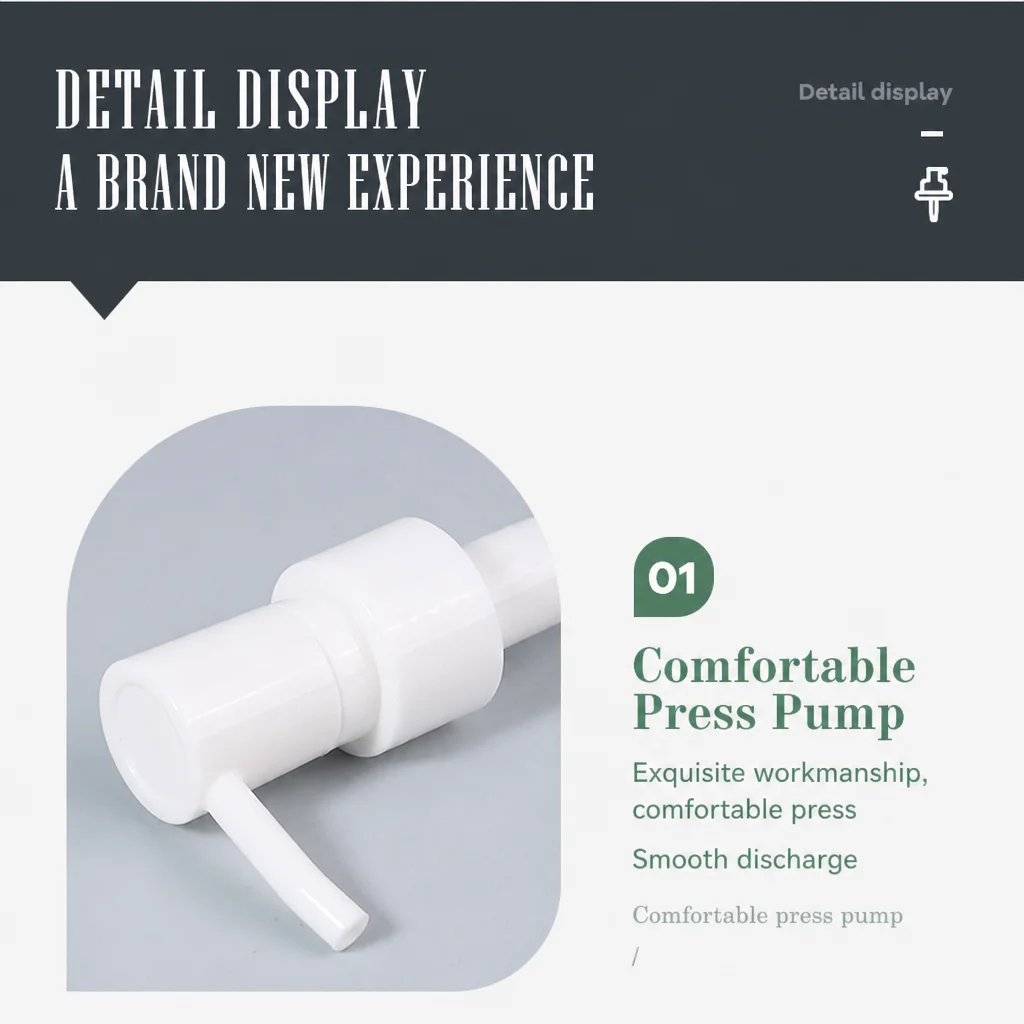
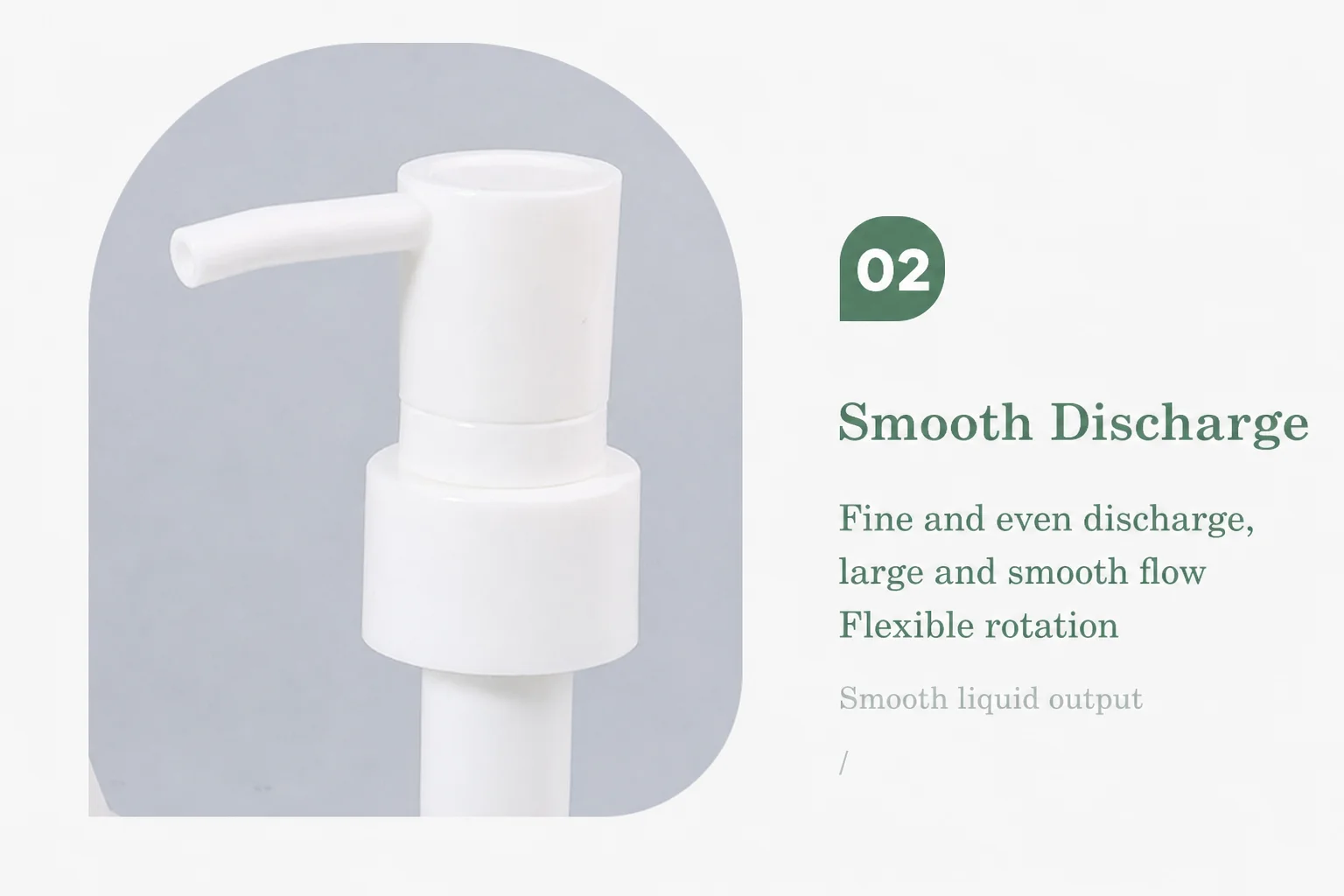


Is this pump automatically compatible with every 24/410 or 28/410 bottle? No. this plastic lotion pump should be sample-tested against the exact bottle because nominal closure labels do not verify every production tolerance.
Is the 2 cc figure suitable for every formula? No. It is the stated pump output reference. Confirm actual delivery with the finished formula and intended user experience.
Can it be customized? The existing source states that custom orders are accepted. Confirm available options, requirements, timing, and approvals directly before relying on a specific customization.
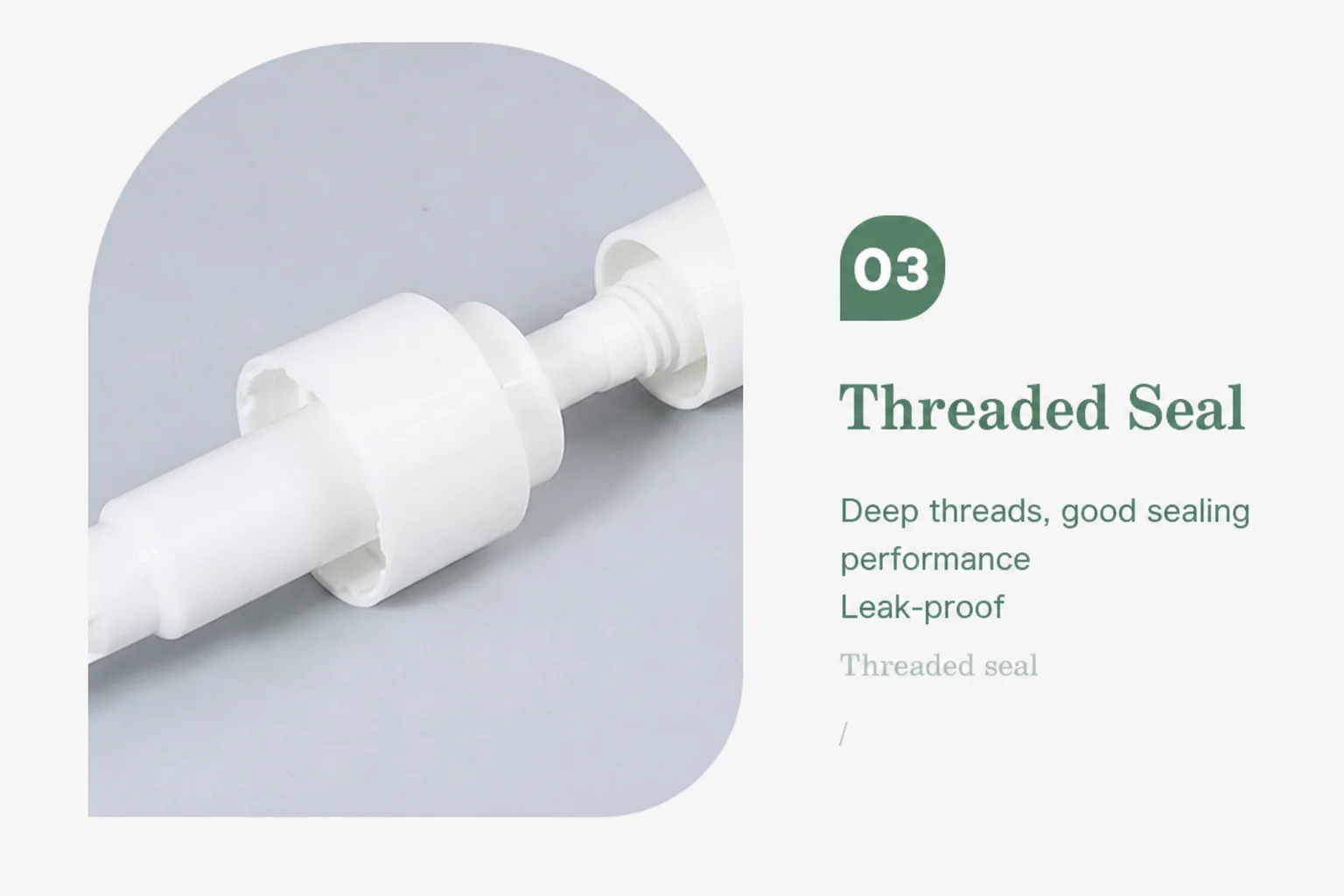
Before a purchase order is released, record the bottle drawing, the selected closure reference, the target dip-tube length, and the formula used for qualification. Keep the approved filled sample with the purchasing record. During review, check that the pump threads engage smoothly, that the collar sits evenly on the bottle, and that the actuator returns after pressing. Observe several repeated presses rather than relying on a single actuation. Note any dripping, inconsistent return action, or change in delivery as findings for follow-up.
For a brand program, agreement on the sample is only the beginning. The team should also define the appearance expectation, packing method, inspection points, and acceptance criteria that matter for the finished pack. If a custom color, logo, or other modification is requested, clarify it in writing before production. The existing listing notes that custom orders may be accepted, but it does not describe a specific option, so confirmation remains necessary.
The listed closure references and stated output make this item easier to discuss with a packaging supplier. They do not replace an engineering drawing or a formula-fill test. Use them to start the request for quotation, then provide the bottle sample and intended product type. A supplier can review whether the components assemble as expected and whether another configuration should be considered. That sequence helps distinguish a nominal match from a verified packaging solution.


 EN
EN