 ×
×

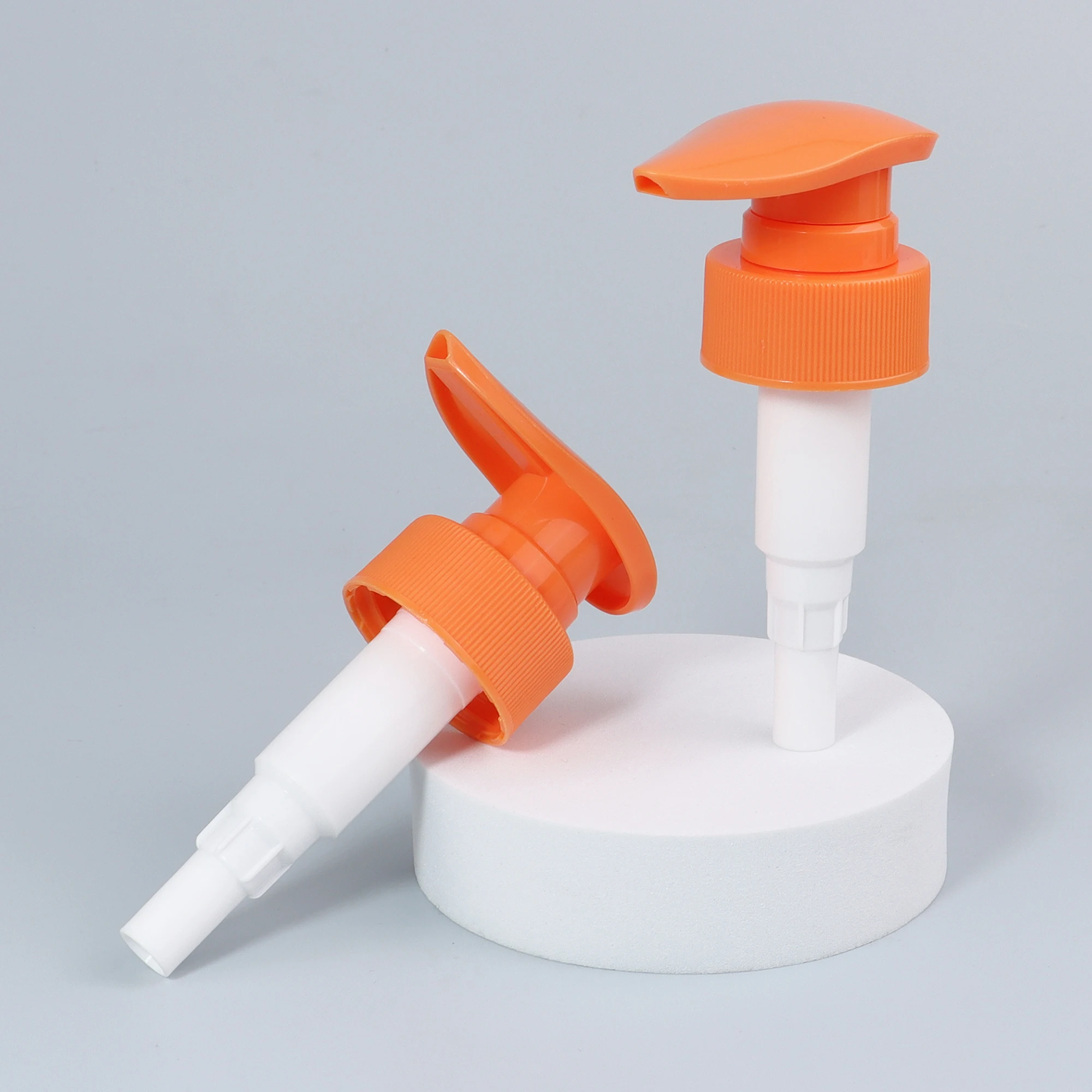
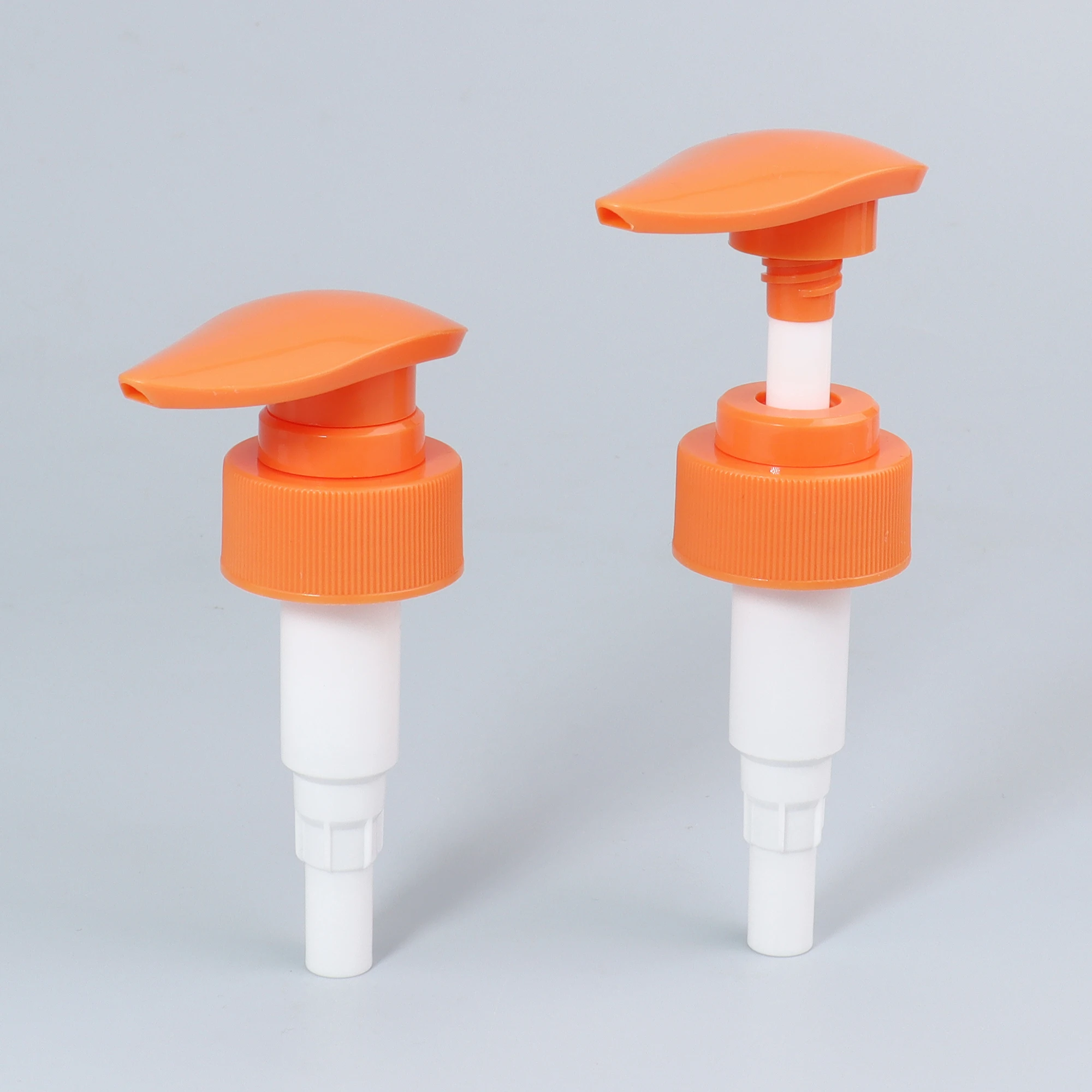
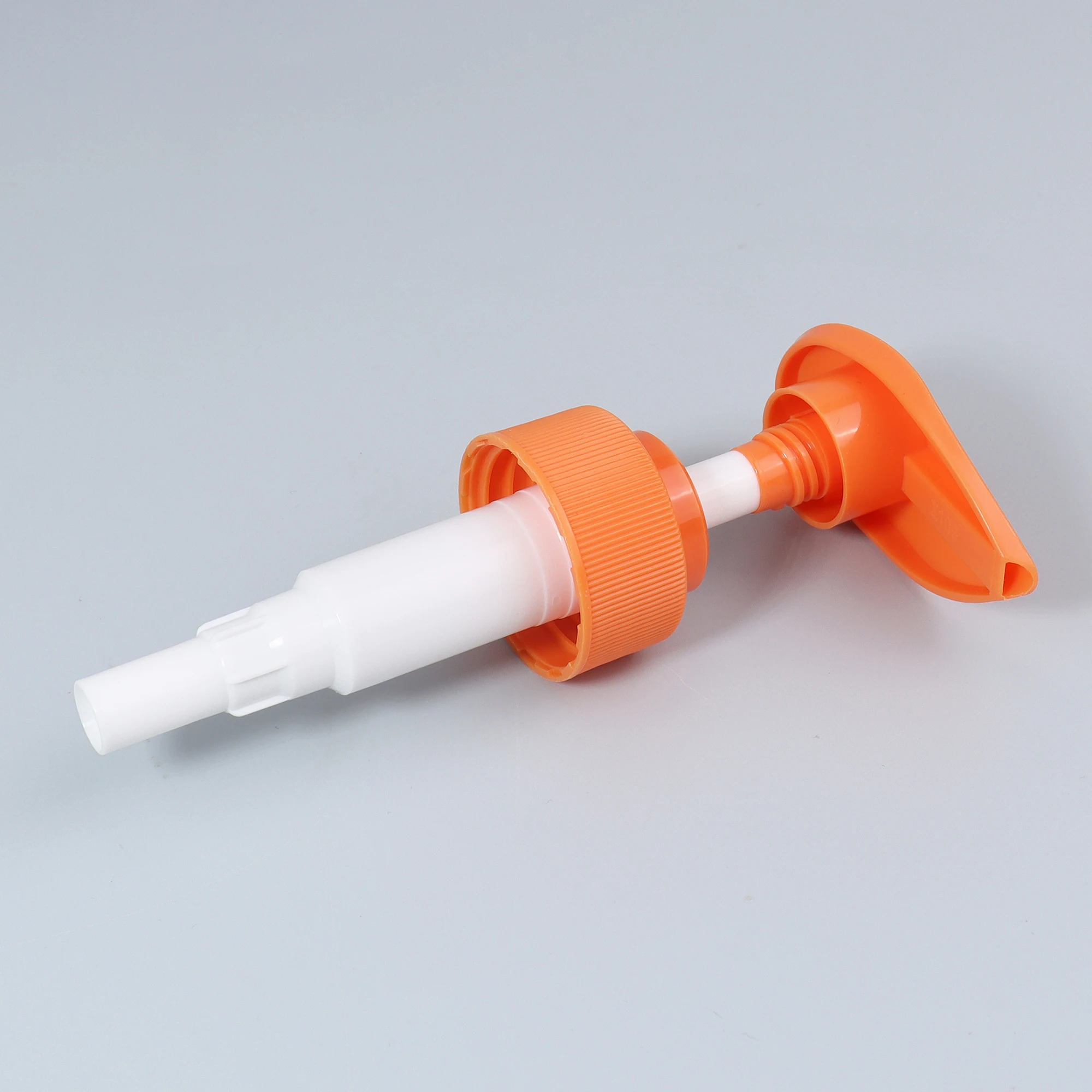
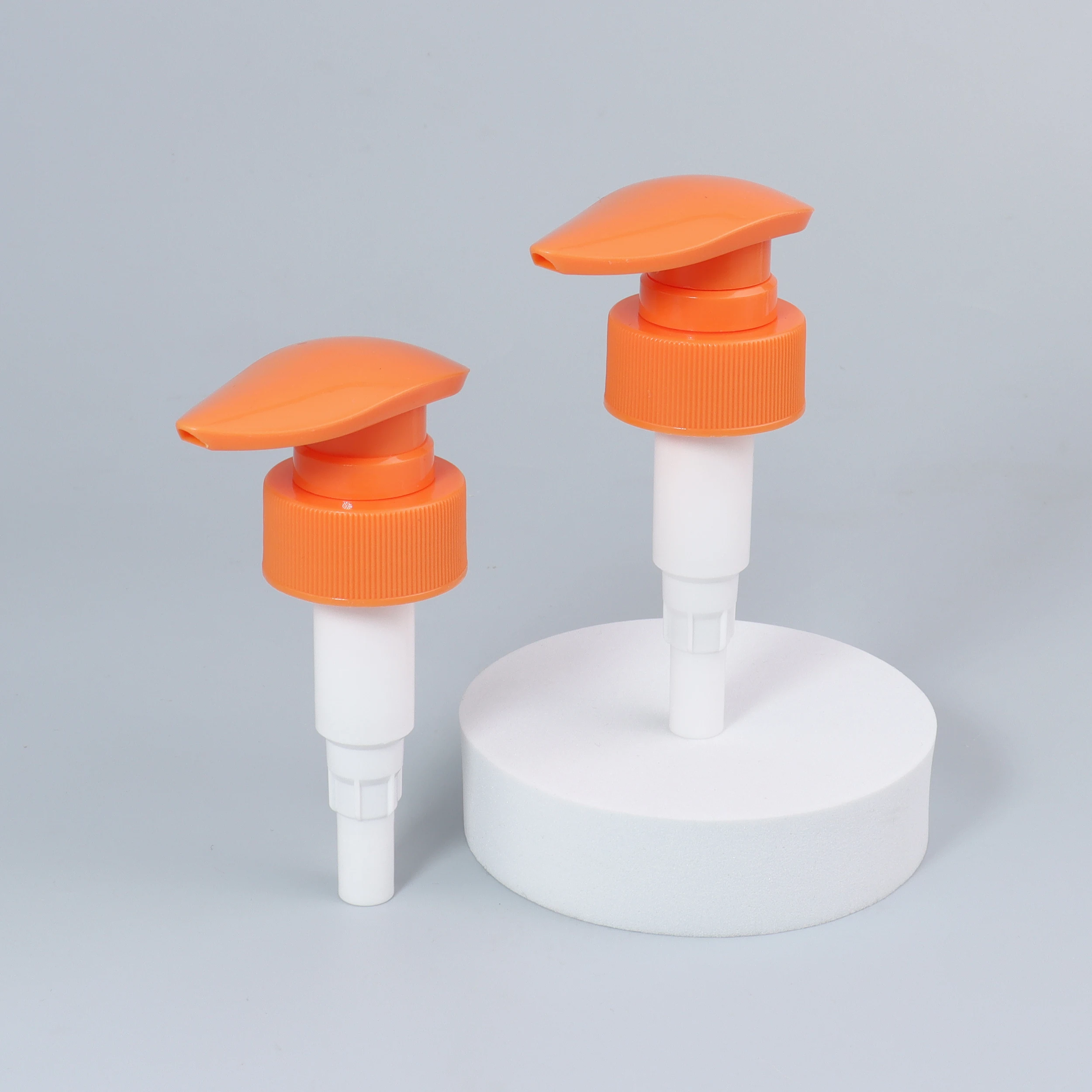
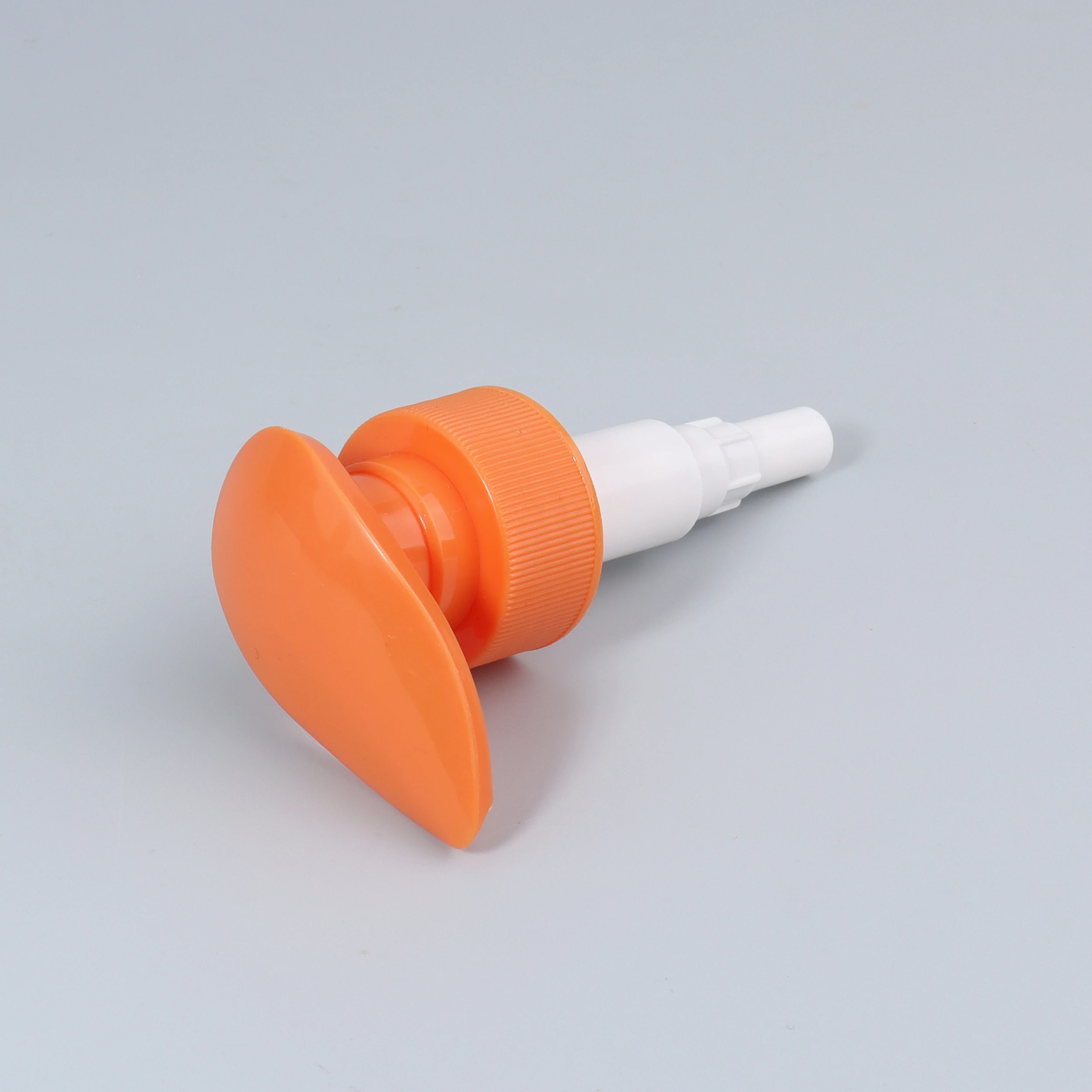
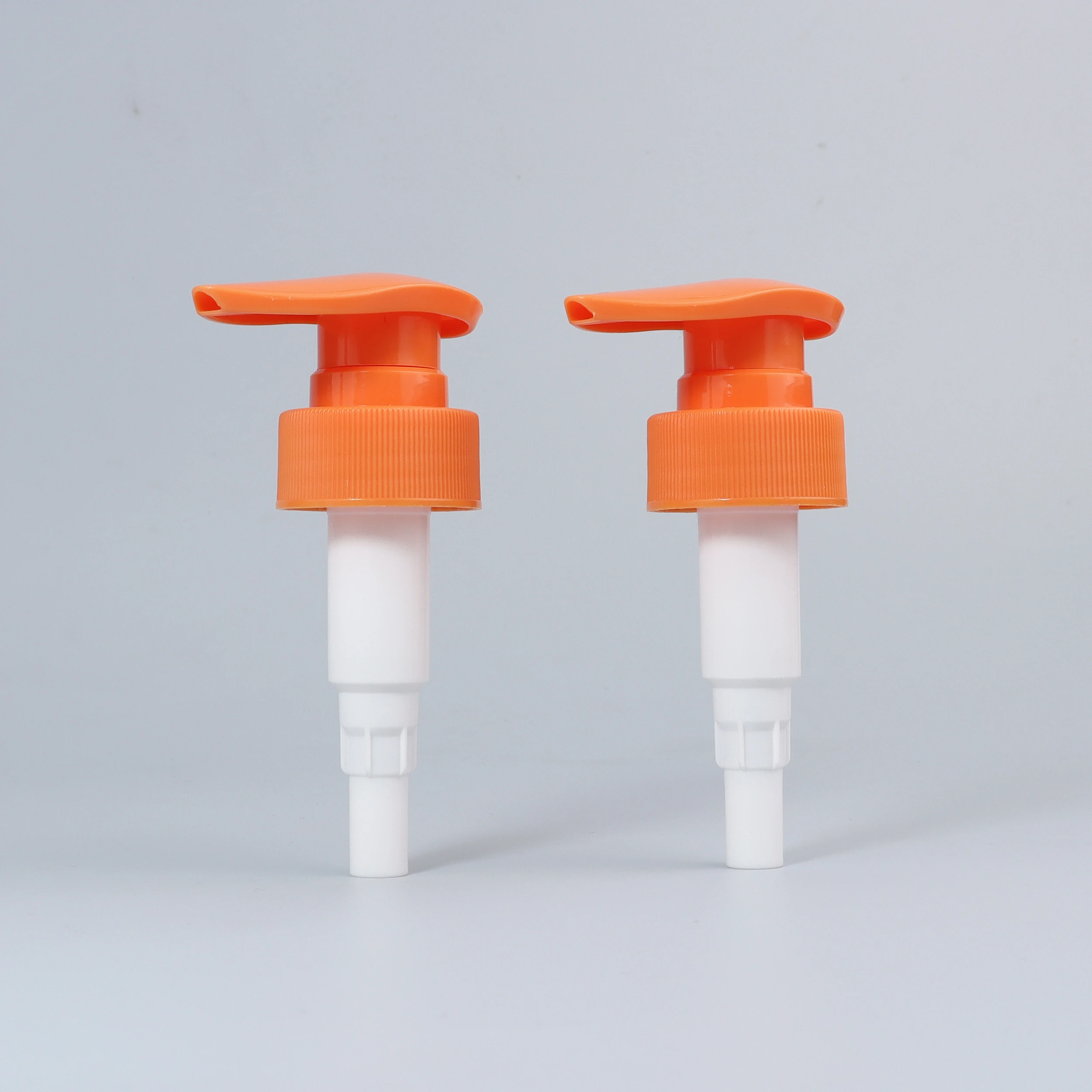
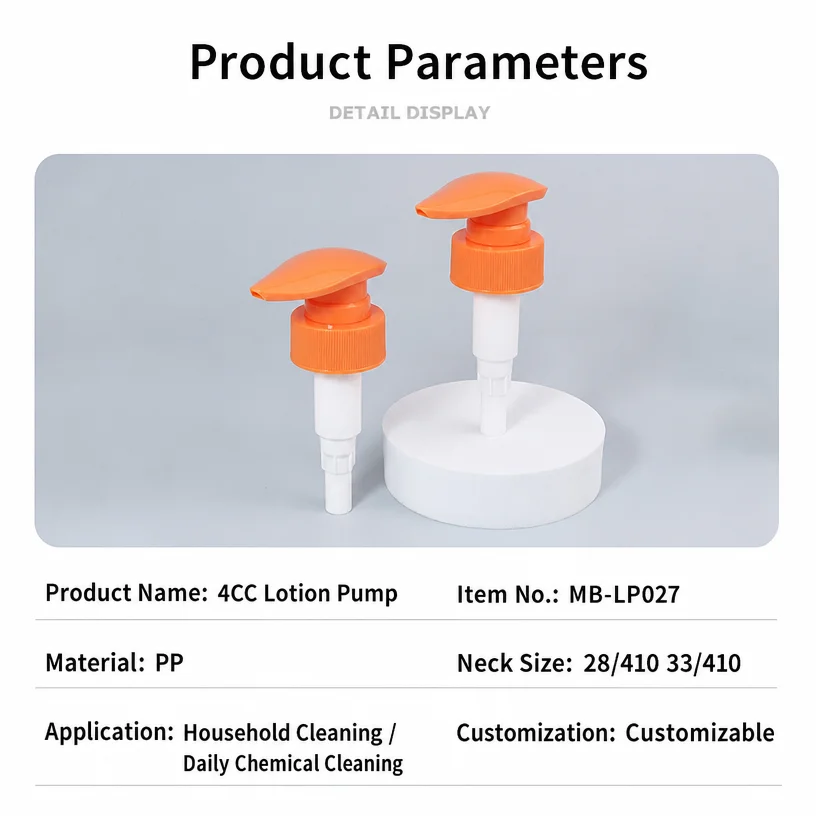
This 4cc Lotion Pump Head Replacement Dispenser for Cosmetic Shampoo and Soap Bottle Refills is a plastic dispensing component intended for refill and replacement packaging applications. The supplied product information identifies a fixed 4cc dosage output, a non-spill design, durable plastic construction, and 33/410 and 28/410 size options. These are the stated product characteristics; bottle fit, dip-tube length, formula compatibility, and final dispensing performance should be confirmed for the actual package before ordering.
For a replacement project, the useful starting point is not which pump looks best, but which neck finish and output does the bottle actually require. In plain terms, a nominal size is a selection reference, not a guarantee that every bottle will fit. A sample check against the bottle and the intended formula remains the practical way to reduce avoidable mismatch.
| Item | Stated information |
|---|---|
| Product type | 4cc Lotion Pump Head Replacement Dispenser for Cosmetic Shampoo and Soap Bottle Refills |
| Output | Fixed 4cc dosage output |
| Material | Plastic |
| Size options | 33/410 and 28/410 |
| Design | Non-spill design |
The 4cc Lotion Pump Head Replacement Dispenser for Cosmetic Shampoo and Soap Bottle Refills is positioned for bottles used with cosmetic, shampoo, and soap refill applications. The listing does not establish that one pump configuration fits every bottle or every formula. Confirm the actual closure geometry, thread profile, tube requirement, and fill material before specifying the component for production use.
The stated fixed 4cc output gives buyers a defined dispensing reference for an application that needs a consistent amount per press. That can be useful when a package design calls for controlled dispensing. Actual output can vary with the filled product and operating conditions, so formula-fill testing is recommended when dose consistency is important.
The 4cc Lotion Pump Head Replacement Dispenser for Cosmetic Shampoo and Soap Bottle Refills is described as durable plastic. Plastic construction is common for dispensing components intended for frequent handling. The source does not identify resin grade, gasket material, or chemical-resistance data; those details should be requested when the formula is oil-rich, highly viscous, alcoholic, acidic, or otherwise demanding.
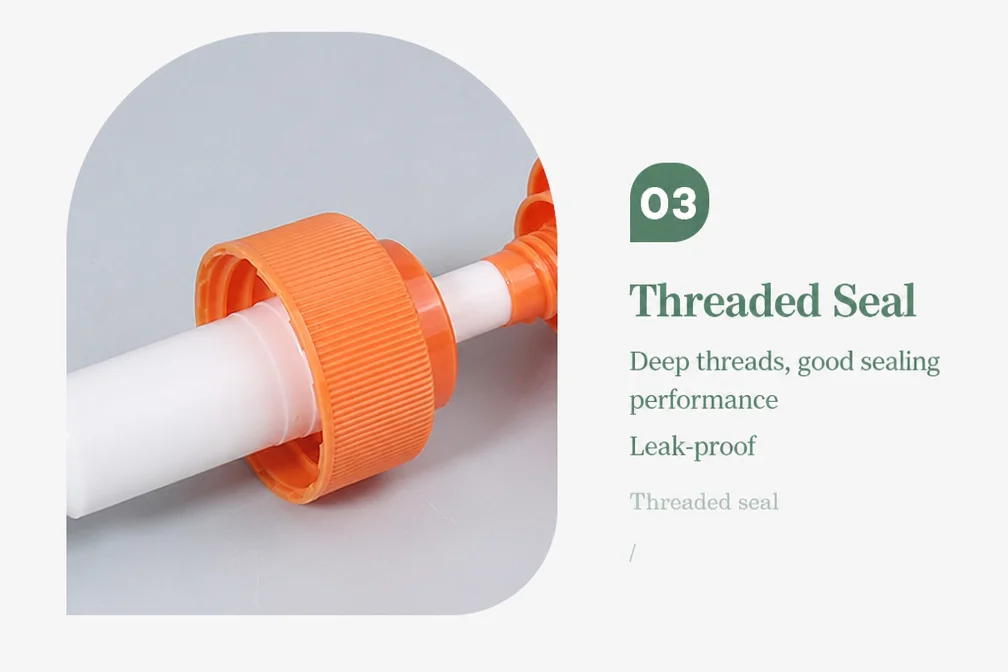
The supplied description presents a non-spill design as a product highlight. In practice, leak resistance should be evaluated on the assembled bottle, with the intended formula and the expected handling or transit conditions. It is sensible to treat the design statement as a feature to validate in your own packaging test rather than as an unconditional performance promise.
The stated 33/410 and 28/410 options help identify the kind of bottle-neck formats to discuss with a packaging supplier. A common mistake is relying on a nominal finish alone without checking the exact bottle thread profile and depth. What looks standard on a specification sheet can still need physical verification when components come from different sources.
The 4cc Lotion Pump Head Replacement Dispenser for Cosmetic Shampoo and Soap Bottle Refills may be considered for cosmetic bottle refills, shampoo bottle refills, and soap bottle refills where the actual bottle finish and formula have been checked. These are application categories drawn from the product title and existing description, not a guarantee of universal compatibility.
If the formula is relatively low viscosity, a pump trial may be straightforward. If it is thick, oil-rich, or otherwise challenging, that changes what should be verified during evaluation. The this replacement dispenser should therefore be assessed as part of the complete bottle-and-formula system.
Use the following questions to structure a practical evaluation of the this replacement dispenser:
This approach keeps the decision focused on functional fit. There is not a universally better replacement pump; the appropriate choice depends on the bottle, the formula, the required dose, and the validation results. For projects requiring documented material declarations, performance limits, or special compliance evidence, request those records directly before final approval.
Packaging components are often evaluated from a catalog image or a nominal size code, but the more reliable assessment happens when the pump, bottle, and formula are tested together. A physical sample can reveal issues that a title or table cannot: whether the closure seats correctly, whether the tube reaches the required area of the bottle, whether the formula dispenses as intended, and whether the actuation feels appropriate for the application.
The this replacement dispenser offers a fact-based starting point: a stated 4cc fixed output, plastic construction, a non-spill design, and 33/410 or 28/410 size options. It is most suitable for buyers who need to evaluate a replacement or refill dispensing component with those stated attributes and who can confirm the final package fit through sampling.
For internal purchasing records, retain the approved bottle sample, closure measurement, formula test observation, and any agreed production notes with the order. That documentation makes future replenishment or replacement decisions clearer, especially when several bottle suppliers or filling partners are involved.
Review results with the filling team, record observations, and retain approved samples for comparison when future bottle components or formulas change during development cycles.




 EN
EN