
 EN
EN



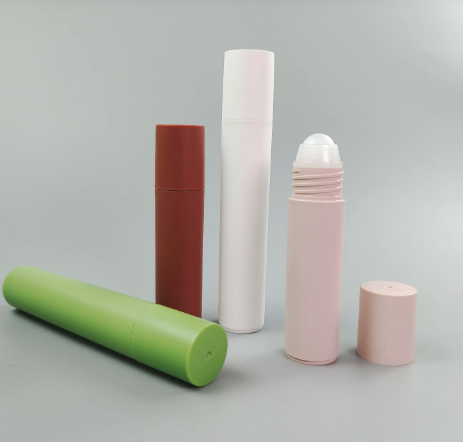
Å velge den perfekte leppestiftstuben for ditt merke krever grundig vurdering av flere faktorer som påvirker både funksjonalitet og markedsattraktivitet. Emballasjen til leppestiftsproduktet ditt er det første kontaktpunktet med konsumentene, og utgjør derfor et kritisk element for merkeposisjonering og salgssuksess. Å forstå de ulike komponentene, materialene og designvalgene som er tilgjengelige i kosmetikkemballasebransjen, vil hjelpe deg med å ta informerte valg som samsvarer med verdier og målgruppens preferanser. Moderne konsumenter legger økende vekt på estetisk uttrykk og bærekraftige praksiser når de velger skjønnhetsprodukter, noe som gjør valget av leppestiftstube-emballasje viktigere enn noensinne.
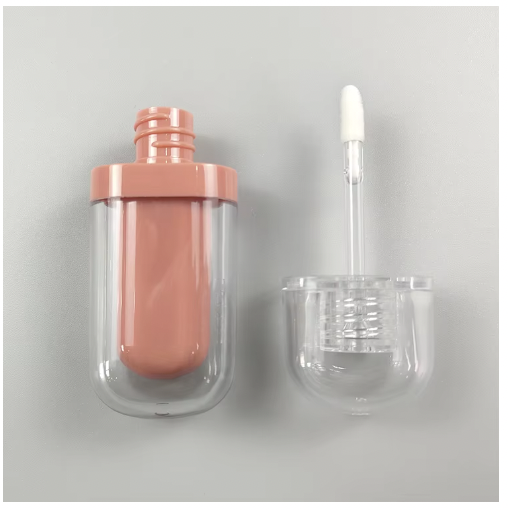
Forståelse av leppestiftstubens komponenter og materialer
Viktige komponenter i moderne leppestiftsemballasje
Hvert leppepompett består av flere nøkkeldeler som arbeider sammen for å skape et funksjonelt og tiltalende produkt. Bunn-delen inneholder mekanismen som skyver fram og trekker tilbake leppepompettkjernen, mens ytre skal gir beskyttelse og muligheter for merkevareprofilering. Mekanismen i seg selv inkluderer en visker, kopp og et fremdriftssystem som sikrer jevn drift gjennom hele produktets levetid. Å forstå disse komponentene hjelper merkevarer med å ta informerte valg angående kvalitetsnivåer og produksjonskrav. Locket eller toppdelen beskytter ikke bare leppepompetformelen, men fungerer også som et lerret for merkevareuttrykk gjennom ulike overflatebehandlinger og dekorative elementer.
Valg av materiale for hver komponent påvirker i stor grad både brukeropplevelsen og miljøavtrykket til lippestiftes emballasje. Høykvalitetsmekanismer sikrer jevn ytelse og kundetilfredshet, mens holdbare ytre materialer beskytter produktet under transport og lagring. Samspillet mellom ulike materialer må vurderes nøye for å unngå kjemiske reaksjoner som kan påvirke lippestiftformelen. Premiummaterialer rettferdiggjør ofte høyere utsalgspriser og forbedrer merkevareoppfatningen, noe som gjør materialevalget til en strategisk forretningsbeslutning utover ren funksjonalitet.
Materialvalg og deres betydning for merkevareposisjonering
Plast forblir det mest allsidige og kostnadseffektive materialet for produksjon av leppepomadebeholdere, og gir ubegrensede fargemuligheter og ulike overflatebehandlinger. Forskjellige plastkvaliteter gir varierende nivåer av holdbarhet og kjemisk motstand, der høyere kvalitet egner seg for premium-posisjonering. Metallkomponenter legger til vekt og opplevd verdi i leppepomadeemballasje, og skaper en luksuriøs følelse som tiltrekker seg segmentet for dyrevarer. Valget mellom aluminium, messing eller stål avhenger av budsjettbetraktninger og ønsket estetisk resultat. Bærekraftige materialer som resirkulert plast eller bio-baserte alternativer tiltrekker seg økende miljøbevisste forbrukere og samsvarer med bedrifters bærekraftsmål.
Glas komponenter representerer det ultimate innen luksusposisjonering, men krever nøye vurdering av praktiske hensyn og sikkerhetsaspekter. Selv om glass gir enestående estetisk appell og kjemisk inaktivitet, kan vekten og sårbarheten begrense visse distribusjonskanaler. Hybridkonstruksjoner som kombinerer flere materialer kan optimere både funksjonalitet og visuell appell samtidig som kostnadene håndteres effektivt. Materievalgsprosessen bør vurdere hele produktets livssyklus, fra produksjon gjennom forbrukerbruk til avhending eller resirkulering. Hvert materievalg kommuniserer merkevareverdier og påvirker forbrukernes oppfatning, noe som gjør denne beslutningen avgjørende for markedsmessig posisjonering.
Designoverveielser for merkevaredifferensiering
Form og ergonomiske faktorer
Formen på din pintetubing påvirker direkte brukeropplevelsen og varemerkegjenkjennelse i konkurranseutsatte butikkmiljøer. Tradisjonelle kuleformete former tilbyr fortrolighet og enkel bruk, mens innovative geometriske design skaper en distinkt plassering i hyllene og tiltrekkelse på sosiale medier. Ergonomiske hensyn sikrer behagelig håndtering under bruk, noe som er spesielt viktig for produkter rettet mot eldre målgrupper eller personer med tilgjengelighetsbehov. Rørets diameter påvirker både mengden produkt som kan inneholdes og nøyaktigheten ved påføring, der slankere profiler appellerer til yngre forbrukere som søker portabilitet. Egendefinerte former kan bli signatur-elementer som forsterker varemerkegjenkjennelse og rettferdiggjør premieprisstrategier.
Overflateteksturer og grepmønstre forbedrer funksjonaliteten samtidig som de gir ytterligere muligheter for merkevaredifferensiering. Glatte overflater tilbyr elegant enkelhet og enkel rengjøring, mens teksturerte overflater gir bedre grep og taktil appell. Balansen mellom estetisk appell og praktisk funksjonalitet krever nøye vurdering av målgruppens preferanser og bruksscenarier. Innovative formdesign kan skape virale markedsføringsmuligheter gjennom deling på sosiale medier, og utvide markedsføringens rekkevidde utover tradisjonelle kanaler. Imidlertid må unike former fortsatt imøtekomme standard produksjonsprosesser og krav til utstilling i detaljhandelen for å forbli kommersielt levedyktige.
Fargeordninger og integrering av branding
Fargevalg for pakking av leppepomadebokser krever strategisk tilpasning til varemerkets identitet og målgruppens psykologi. Klassiske farger som svart, gull og sølv formidler luksus og eleganse, mens kraftige eller trendfølgende farger appellerer til yngre målgrupper som søker selvtildannelse. Fargen bør komplementere utvalget av leppepomadefarger samtidig som den opprettholder konsistens gjennom produktlinjene for å sikre merkehelhet. Sesongbestemte eller begrensede utgaver med fargevariasjoner kan øke antall gjentatte kjøp og skape samleeffekt blant ivrige kunder. Fargepsykologi spiller en betydelig rolle i kjøpsbeslutninger, der visse farger utløser bestemte emosjonelle reaksjoner som påvirker kjøpsatferd.
Merkevareintegrasjon går utover enkel logoplassering og omfatter hele det visuelle identitetssystemet. Typografivalg, logoplassering og tilleggsgrafikk må fungere i harmoni med tubedesignet for å skape sammenhengende merkevarekommunikasjon. Diskrete merkevaretilnærminger kan appellere til sofistikerte forbrukere som foretrekker tilbakestøttet eleganse, mens kraftige merkevareelementer passer bedre for merker som tar sikte på yngre og mer uttryksfulle markeder. Merkevareelementene må forbli lesbare og tiltalende gjennom hele produktets livssyklus, med tanke på slitasjemønstre og håndteringseffekter. Konsekvens i merkevareutførelse på tvers av ulike produkstørrelser og variasjoner styrker merkevarergjenkjennelse og forbrukertilhørighet.
Produksjon og kvalitetshensyn
Produksjonsmetoder og kvalitetsstandarder
Moderne produksjon av lippestiftsrør benytter ulike fremstillingsmetoder, hvor hver metode har sine spesielle fordeler for ulike markedsegmenter og volumkrav. Injeksjonsstøping er fremdeles den mest brukte metoden for plastkomponenter, og gir høy presisjon og utmerkede overflateegenskaper til rimelige kostnader ved middels til store serier. Sprekkebearbeidingsprosesser gir høyere kvalitet og større muligheter for tilpasning, men til høyere enhetskostnader, noe som gjør dem egnet for luksusmerker eller spesielle utgaver. Kvalitetskontrollstandarder i hele produksjonsprosessen sikrer konsekvent ytelse og utseende, og beskytter dermed merkevarens omdømme og kundetilfredshet.
Testprosedyrer for komponenter i leppepompetub omfatter mekaniske spenningstester, vurdering av kjemisk kompatibilitet og evaluering av brukeropplevelse. Falltester simulerer reelle håndteringssituasjoner, mens temperatursyklus sikrer ytelse under ulike lagrings- og bruksforhold. Mekanismetesting bekrefter jevn drift gjennom hundrevis av fram- og tilbakeskiftesykler, og sikrer kundetilfredshet gjennom hele produktets levetid. Fargetonestabilitetstesting forhindrer batchvariasjoner som kan påvirke merkevarebildet og konsumentenes aksept. Omfattende kvalitetssikringsprogrammer minimerer defektrater og beskytter mot kostbare tilbakerulling eller kundeklager.
KostnadsOptimeringsStrategier
Å balansere kvalitetskrav med kostnadsbegrensninger krever strategisk tenkning rundt komponentspesifikasjoner og produksjonsmetoder. Standardisering av visse elementer på tvers av produktlinjer reduserer verktøykostnader og minimumsordreantall samtidig som man opprettholder merkevarekonsistens. Verditeknikk analyserer hver enkelt komponents bidrag til helhetlig funksjonalitet og merkevareappell, og optimaliserer spesifikasjoner for maksimal kostnadseffektivitet. Leverandørrelasjoner spiller en avgjørende rolle for å oppnå gunstige priser samtidig som kvalitetsstandarder og leveringssikkerhet opprettholdes. Langsiktige samarbeid med emballasjeleverandører gir ofte bedre priser og prioritering ved høysesonger eller forsyningskjedestyrkelser.
Volumoverveielser påvirker enhetskostnadene betydelig, der høyere volum normalt gir bedre priser, men krever større investeringer i lager. Fleksible produksjonsordninger gjør at merker kan balansere kostnadsoptimalisering mot lagerrelaterte risikoer, noe som er spesielt viktig for sesongvarer eller begrensede opplag. Alternative tilskaffingsstrategier, inkludert innenlandsk motsetning til internasjonal produksjon, må vurdere totale innfrakte kostnader, inkludert transport, toll og konsekvenser av gjennomføringstid. Kostnadstransparens gjennom hele verdikjeden muliggjør bedre beslutningsprosesser og hjelper med å identifisere optimaliseringsmuligheter som opprettholder kvalitet samtidig som lønnsomheten forbedres.
Bærekraft og miljøpåvirkning
Miljøvennlige materialalternativer
Økende forbrukerbevissthet rundt miljømessige spørsmål driver økende etterspørsel etter bærekraftige emballageløsninger i skjønnhetsindustrien. Gjenbrukte plastmaterialer gir umiddelbare miljøfordelelser samtidig som de opprettholder funksjonalitet og kostnadseffektivitet i forhold til nyproduksjon. Biobaserte plastmaterialer utledet fra fornybare ressurser representerer nye alternativer som reduserer avhengigheten av fossile brensler. Disse materialene krever imidlertid nøye vurdering av ytelsesegenskaper og avhending ved livsslutt. Gjenfyllbare lippestiftsrør reduserer totalt sett mengden emballasjeavfall samtidig som de skaper kontinuerlig kundeengasjement og muligheter for gjentatte kjøp.
Valg av bærekraftige materialer krever en avveining mellom miljømessige fordeler og praktiske hensyn, inkludert holdbarhet, kjemisk kompatibilitet og produksjonsmessig gjennomførbarhet. Livssyklusvurderinger hjelper til med å kvantifisere miljøpåvirkningen gjennom produktets levetid, fra utvinning av råmaterialer til avhending eller resirkulering. Sertifiseringsordninger som godkjenning fra Forest Stewardship Council eller verifisering av innhold av resirkulert materiale, gir troverdig tredjepartsbekreftelse på bærekraftighetspåstander. Forbrukeropplæring om riktig avhending og resirkuleringsprosedyrer maksimerer de miljømessige fordelene ved bærekraftige emballasjeløsninger.
Integrering av sirkulær økonomi
Å implementere prinsipper for sirkulær økonomi i designet av leppepompetuber skaper konkurransefordeler samtidig som det tar hensyn til miljøhensyn. Tilbakeleveringsordninger gjør at merker kan samle inn brukt emballasje til resirkulering eller oppussing, noe som skaper kundekontaktpunkter og demonstrerer miljøengasjement. Design for enkel demontering letter separasjon av materialer og øker resirkuleringshensikten ved utløpet av livssyklusen. Å standardisere visse komponenter på tvers av bransjen kan forbedre resirkuleringsinfrastrukturen og redusere den totale miljøpåvirkningen. Samarbeid med resirkuleringsanlegg sikrer at bærekraftige designintensjoner omsettes til faktiske miljøgevinster.
Modulære designtilnærminger gjør det mulig å erstatte eller oppgradere komponenter uten å måtte bytte ut hele pakken, noe som forlenger den totale levetiden og reduserer avfall. Markedsføring med fokus på bærekraftige egenskaper hjelper til med å rettferdiggjøre eventuelle høyere priser samtidig som det styrker merkevarelojaliteten hos miljøbevisste forbrukere. Samarbeid med miljøorganisasjoner eller sertifiseringsorganer øker troverdigheten og markedsføringseffekten av bærekraftige tiltak. Måling og rapportering av miljømetrikker sikrer åpenhet og ansvarlighet, samtidig som det avdekker muligheter for kontinuerlig forbedring.
Markedstrender og forbrukerpreferanser
Nåværende bransjeutviklinger
Kosmetikkemballasjindustrien utvikler seg kontinuerlig i takt med endringer i konsumentpreferanser, teknologiske fremskritt og regulatoriske krav. Minimalistiske design-trender foretrekker rene linjer og tilbakeholden eleganse, noe som speiler bredere livsstilstrøkk mot enkelhet og autentisitet. Integrasjon av smart emballasje med QR-koder eller NFC-teknologi muliggjør økt konsumentengasjement og produktautentisering. Tilpasningsmuligheter gjør at merker kan tilby personlig emballasje som skaper en emosjonell forbindelse med konsumenter. Kjønnsnøytrale design-tilnærminger utvider markedsrikheten samtidig som de speiler utviklede sosiale holdninger til skjønnhet og selvuttrykk.
Premieutviklingstrender øker etterspørselen etter innovative materialer og overflatebehandlingsmetoder som rettferdiggjør høyere priser. Metalliske overflater, myke belegg og innovative lukkemekanismer skiller produkter i overfylte markedsegmenter. Begrensede opplag av emballasje skaper press og samlelyst, noe som fører til salgsøkninger og engasjement på sosiale medier. Samarbeidsdesign med kunstnere eller influencere genererer omtale og tiltrekker seg nye kundegrupper. Mulighetene for teknologisering fortsetter å utvide seg, med potensielle anvendelser som temperaturindikatorer, brukssporing eller til og med LED-belysningseffekter.
Fremtidsutsikter og nye teknologier
Nye teknologier lover å omgjøre designet og funksjonaliteten til leppepompetuber i årene som kommer. Tredimensjonal utskriftsteknologi gjør det mulig med rask prototyping og mindre serietilpassing til økonomisk forsvarlige kostnader. Smarte sensorer kan overvåke bruksmønstre og gi personlige anbefalinger for relaterte produkter. Innebygging av biologisk nedbrytbare elektronikk kan gjøre det mulig med emballasje som løser seg opp på en trygg måte etter bruk, samtidig som den tilbyr interaktive funksjoner under produktets levetid. Avanserte belägningsteknologier gir økt holdbarhet og nye estetiske effekter som tidligere var umulige å oppnå.
Anvendelser av kunstig intelligens i emballasedesign kan optimere former for spesifikke ergonomiske krav eller forutsi forbrukernes preferanser basert på demografiske data. Integrasjon av blockchain-teknologi gir gjennomsiktighet i verdikjeden og bekreftelse av ekthet, noe som tar opp økende forbrukerbekymringer når det gjelder produktets opprinnelse og etisk varekjøp. Nanoteknologi kan muliggjøre selvrensende overflater eller fargeendringer utløst av temperatur eller lys. Verktøy basert på virtuell og utvidet virkelighet bidrar i økende grad til utvikling av emballasedesign og testing hos forbrukere, noe som reduserer utviklingstid og forbedrer sannsynligheten for markedsdyktighet.
Ofte stilte spørsmål
Hvilke faktorer bør jeg prioritere når jeg velger en leppestiftstube for en ny merkevarelansering
For nye merkevarelanseringer, prioriter faktorer som etablerer klar merkeposisjonering samtidig som kostnadseffektivitet og produksjonsmuligheter opprettholdes. Vurder målgruppens preferanser når det gjelder oppfattelse av luksus, bærekraftverdier og funksjonelle krav. Budsjettfordeling mellom emballasje og produktutvikling bør speile markedsføringsstrategien og distribusjonskanalene. Kvalitetsstandarder må møte forbrukernes forventninger til den tenkte prisnivået samtidig som pålitelig ytelse sikres. Designpreg kan hjelpe til med å etablere merkegjenkjenning, men bør ikke kompromittere produksjonseffektiviteten eller føre til overdreven kostnadsøkning.
Hvordan påvirker ulike materialer holdbarheten og kvaliteten til leppepomadeformler
Materialvalg påvirker betydelig stabiliteten til leppepomadeformler gjennom kjemisk kompatibilitet og barrieregenskaper. Noen plasttyper kan reagere med ingredienser i leppepomade, noe som potensielt kan føre til misfarging eller endringer i konsistens over tid. Metallkomponenter gir generelt bedre kjemisk inaktivitet, men kan lede temperaturforandringer som påvirker formelens konsistens. Glass gir best beskyttelse mot kjemisk migrering, men krever omhyggelig formulering for å unngå termisk spenning. Barrierer, belegg eller innersider kan gi ekstra beskyttelse samtidig som de tillater bruk av kostnadseffektive basismaterialer.
Hva er typiske minimumsbestillingsmengder for tilpasset produksjon av leppepomadetuber
Minimumsbestillingsmengder varierer betydelig avhengig av nivået av tilpasning og produksjonsmetode. Standarddesign med fargeendringer krever vanligvis minimumsbestillinger på 5 000 til 10 000 enheter. Egne verktøy for unike former eller mekanismer krever vanligvis minimum 25 000 til 50 000 enheter for å rettferdiggjøre verktøykostnadene. Premiumoverflater eller flere fargevarianter kan ha lavere minimumsmengder, men høyere kostnad per enhet. Å samarbeide med erfarne emballageleverandører hjelper til med å optimere bestillingsmengder samtidig som man balanserer lagerinvestering mot enhetskostnader.
Hvordan kan jeg sikre at designet av lippestiftstuben min overholder internasjonale regulatoriske krav
Regulatorisk etterlevelse krever forståelse av krav i alle tiltenkne markeder, ettersom standarder varierer betydelig mellom regioner. Sertifiseringer for materialers sikkerhet sikrer at komponenter oppfyller krav til matkvalitet som er nødvendig for kosmetisk emballasje. Merkekrav pålegger spesifikk plassering av informasjon og lesbarhetsstandarder som påvirker designparametere. Barnesikker emballasje kan være påkrevd i visse markeder eller for spesielle formuleringer. Å samarbeide med emballageleverandører med erfaring i internasjonale markeder hjelper til å navigere i komplekse regulatoriske landskap og unngå kostbare etterlevelsesproblemer.
Innholdsfortegnelse
- Forståelse av leppestiftstubens komponenter og materialer
- Designoverveielser for merkevaredifferensiering
- Produksjon og kvalitetshensyn
- Bærekraft og miljøpåvirkning
- Markedstrender og forbrukerpreferanser
-
Ofte stilte spørsmål
- Hvilke faktorer bør jeg prioritere når jeg velger en leppestiftstube for en ny merkevarelansering
- Hvordan påvirker ulike materialer holdbarheten og kvaliteten til leppepomadeformler
- Hva er typiske minimumsbestillingsmengder for tilpasset produksjon av leppepomadetuber
- Hvordan kan jeg sikre at designet av lippestiftstuben min overholder internasjonale regulatoriske krav