
 EN
EN



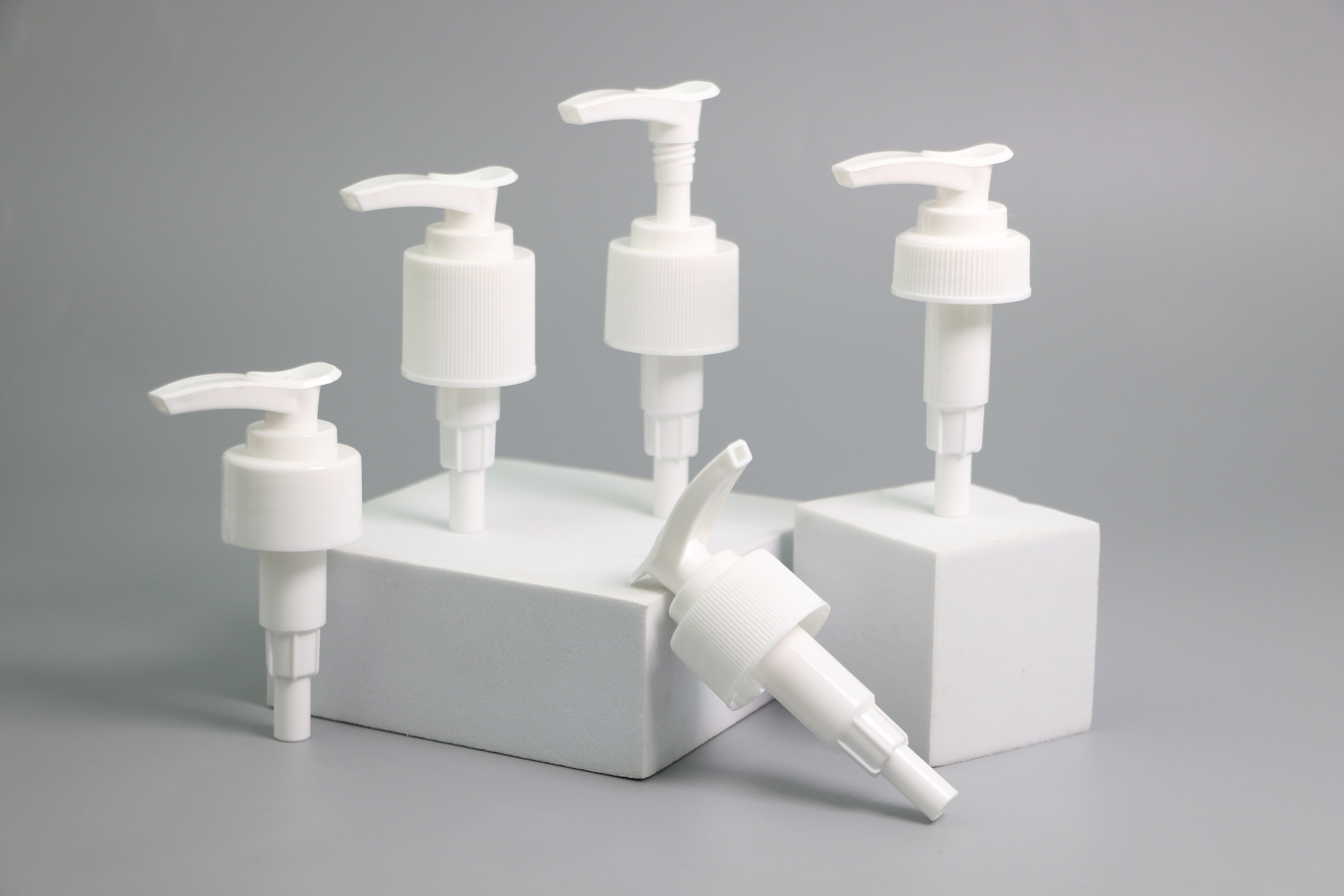
လေးနက်မှု တည်ငြိမ်မှုသည် လုံးခြည် ပရေးယား အရေးကြီးသော စက်မှုအစိတ်အပိုင်းနှစ်ခုပေါ်တွင် အခြေခံပါသည်။ ထိုအစိတ်အပိုင်းများသည် စပရင်နှင့် ဖောင်းပေါ်တွင် အခြေခံပါသည်။ ထိုအစိတ်အပိုင်းများကို ကောင်းမော်ဒယ်ဖော်ထုတ်မှုဖြင့် ဖန်တီးပါက လေးနက်မှု ပန်ပို့စနစ်သည် စားသုံးသူများ၏ မျှော်လင့်ချက်များနှင့် အမှတ်တံဆိပ်၏ စံနှုန်းများကို ဖော်ပေးနိုင်သည့် ယုံကြည်စိတ်ချရပ်သော တစ်သေးတစ်ဖြေး ပန်ပို့မှုကို ပေးစေပါသည်။ ထို့ပဲ စပရင် သို့မဟုတ် ဖောင်းပေါ်၏ ဒီဇိုင်းမှု အားနည်းပါက ပန်ပို့မှု မတည်ငြိမ်မှု၊ အသုံးပြုသူများ၏ စိတ်အနှောင့်အယှက်နှင့် အမှတ်တံဆိပ်၏ ဂုဏ်သတ္တိ ပျက်ပါသည်။ လေးနက်မှု ပန်ပို့စနစ်များ၏ စွမ်းဆောင်ရည်အတွက် စပရင်နှင့် ဖောင်းပေါ်၏ ဒီဇိုင်းမှု အရေးပါမှုကို နားလည်ခြင်းသည် အရည်အသွေးမြင့် ပန်ပို့စနစ်များကို အခြေခံသည့် ထုတ်လုပ်သူများ၊ ဖော်မ်မ်လေးတ်များနှင့် ရောင်းချသူများအတွက် အရေးကြီးပါသည်။
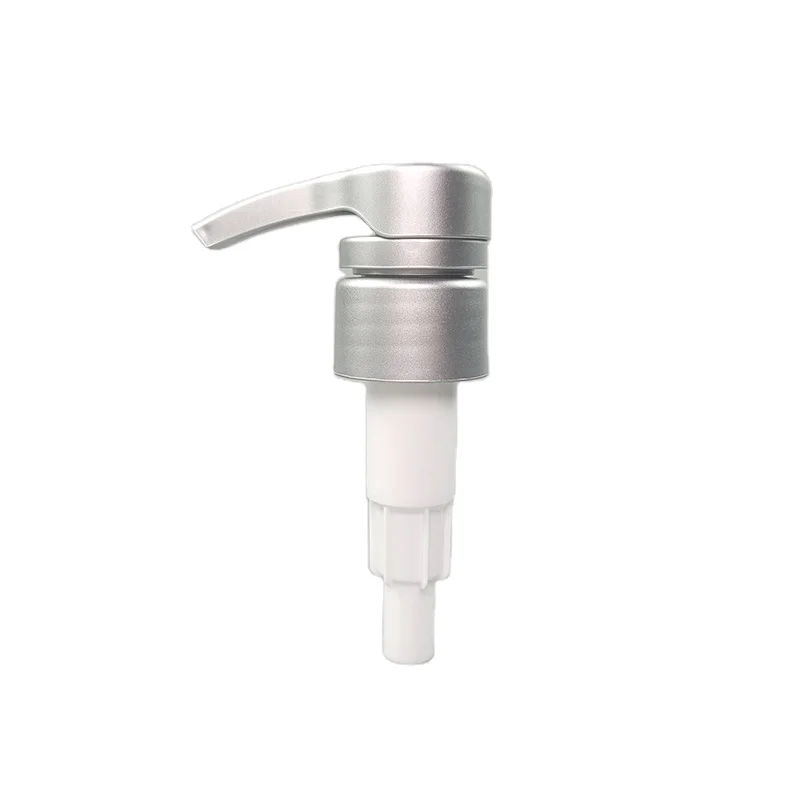
နှစ်သိမ့်မှုနှင့် တံခါးပေါက်စနစ်သည် လော့ရှင်းပန့်အတွင်းရှိ ဖိအား၊ အချိန်ကာလနှင့် အရည်စီးဆင်းမှုကို ထိန်းချုပ်သည့် ပေါင်းစပ်ထားသော စနစ်အဖြစ် အလုပ်လုပ်ပါသည်။ ကောင်းမွန်စွာဒီဇိုင်းထုတ်ထားသော လော့ရှင်းပန့်သည် အသုံးပြုသူ၏ ဖိအားကို ခန့်မှန်းနိုင်သည့် အတိုင်းအတာဖြင့် တုံ့ပြန်ပါသည်။ တစ်ခုချင်းစီသော လှုပ်ရှားမှုအပြီးတွင် သန့်ရှင်းစွာ ပြန်လည်စတင်ပါသည်။ ထို့အပြင် အသုံးပြုမှုအကြိမ်ရောင်းပေါင်း ထောင်ခုအထိ ထွက်ပေါက်ပမာဏကို တိကျစွာထိန်းသိမ်းပါသည်။ ဤယန္တရားဆိုင်ရာ တိကျမှုသည် အရည်အသွေးမြင့် ဖြန့်ဖြူးရေးကိရိယာများကို စျေးနောက်ကုန်သော အစားထိုးများမှ ခွဲခြားပေးပါသည်။ ဤစနစ်၏ အင်ဂျင်နီယာပညာသည် အသုံးပြုသူ၏ အတွေ့အကြုံ၊ ထုတ်ကုန်အကုန်ဖြုန်းမှုလျှော့ချရေးနှင့် ထုတ်လုပ်မှုစုစုပေါင်းကုန်ကုန်သက်သော ထိရောက်မှုကို တိုက်ရိုက်သက်ရောက်မှုရှိပါသည်။
နှစ်သိမ့်မှုဒီဇိုင်းသည် လော့ရှင်းပန့်၏ တည်ငြိမ်မှုကို မည်သို့သက်ရောက်မောက်သနည်း
နှစ်သိမ့်မှုအားနှင့် လှုပ်ရှားမှုတည်ငြိမ်မှု
လေးရှားမှု ပန်ပ်မှုတွင် အသုံးပြုသည့် စပရင်သည် ဖိချလိုက်သည့်အခါ တစ်ခါလျှင် ပလန်ဂ်ကို သူ၏ သာမန်နေရာသို့ ပြန်လည်ရောက်ရှိစေရန် တာဝန်ရှိသည်။ စပရင်တွင် လေးရှားမှု မလ sufficiently ရှိပါက ပလန်ဂ်သည် ကပ်နေခြင်း (သို့) ပြန်လည်ရောက်ရှိရန် အလွန်နှေးကွေးခြင်း ဖြစ်ပြီး အပြည့်အဝ ပြန်လည်ဖြည့်သွင်းမှုမရှိခြင်းနှင့် ထုတ်လွှတ်မှု မတေးမျှခြင်းတို့ကို ဖြစ်ပေါ်စေနိုင်သည်။ စပရင်သည် အလွန်မာကြီးပါက အသုံးပြုသူများသည် အလွန်မာသော ခံစားမှုကို ခံစားရပြီး မသိစိတ်ဖြင့် ဖိအားကို လျော့နည်းစေကာ အပြည့်အဝ ထုတ်လွှတ်မှုမရှိခြင်းကို ဖြစ်ပေါ်စေနိုင်သည်။ သင့်လျော်စွာ ချိန်ညှိထားသည့် လေးရှားမှု ပန်ပ်မှုတွင် အသုံးပြုသည့် စပရင်သည် အသုံးပြုသူများအား တစ်ခါလျှင် တူညီသည့် ဖိအားဖြင့် ဖိချရန် အားပေးသည့် ခံစားမှုကို ဖော်ပေးပြီး ထိုအတိုင်း အလွန်တူညီသည့် အရေအတွက်များကို ထုတ်လွှတ်စေသည်။ ဤတူညီမှုသည် အလှကုန်နှင့် ကိုယ်ရေးကိုယ်နေ ဂေဟဆိုင်ရာ ပုံစံများတွင် အလွန်အရေးကြီးပါသည်။ အဘယ်ကြောင့်ဆိုသော် အသုံးပြုသူများသည် တစ်ခါလျှင် တူညီသည့် ရလဒ်များကို မျှော်လင့်ထားကြသည်။
ပစ္စည်း၏ ပိုမိုအားနည်းလာမှုနှင့် ရှည်လျားသည့် ကာလအတွင်း ယုံကြည်စိတ်ချရမှု
လေးရှိုးပန်းပွဲအတွက် စပရင်၏ ပစ္စည်းဖွဲ့စည်းမှုသည် ဒီစပရင်သည် အချိန်ကြာမှုအထိ ယုံကြည်စိတ်ချရမှုရှိမည်ကို ဆုံးဖြတ်ပေးပါသည်။ အရည်အသွေးနိမ့်သော စတီလ်သံမဏိဖြင့် ထုတ်လုပ်ထားသော စပရင်များ သို့မဟုတ် မလုံလောက်သော ဂေါ်ဂ်များဖြင့် ထုတ်လုပ်ထားသော စပရင်များသည် အချိန်ကြာလာသည်နှင့်အမျှ ဖိအားကို ဆုံးရှုံးလေ့ရှိပါသည်။ အထူးသဖြင့် ရေစိုခြင်း၊ pH အပြောင်းအလဲများနှင့် ရေချိုးခန်းတွင် အများအားဖြင့် ဖြစ်ပေါ်လေ့ရှိသော အပိုင်းအစများ၏ အပူချိန်ပြောင်းလဲမှုများကို ထိတွေ့မှုရှိသည့်အခါတွင် ဖိအားကို ဆုံးရှုံးလေ့ရှိပါသည်။ အရည်အသွေးမြင့်သော လေးရှိုးပန်းပွဲတွင် ချေးမှုန်းမှုကို တားဆီးရန် အထူးဖုံးအုပ်ထားသော စပရင်များကို အသုံးပြုပြီး အတိအကျရှိသော အပူချိန်ညှိမှုဖြင့် ၅၀၀၀ ခု သို့မဟုတ် ထိုထက်ပိုများသော အသုံးပြုမှုများအထိ ဖိအားကို တူညီစေရန် ထုတ်လုပ်ထားပါသည်။ စပရင်၏ ပစ္စည်းအားနည်းမှုကို စမ်းသပ်ခြင်းဖြင့် လေးရှိုးပန်းပွဲသည် ပိုင်ဆိုင်မှုကြာသည်နှင့် အမျှ တူညီစေရန် စမ်းသပ်ထားပါသည်။ ဤခံနိုင်ရည်ရှိမှုသည် စားသုံးသူများ၏ က удовлетворенностьနှင့် ဆက်စပ်နေပါသည်။ ထို့အပါအဝင် လေးရှိုးပန်းပွဲများ အရင်တွင် ပျက်စီးခြင်းကြောင့် ဖုန်းမှုများကို လျော့နည်းစေပါသည်။
ဗာလ်ဗ် စနစ်နှင့် ထုတ်လုပ်မှု တိကျမှု
လေးရှိုးပန်းပွဲ လုပ်ဆောင်မှုတွင် တစ်ဖက်သာ ဗာလ်ဗ် လုပ်ဆောင်မှု
လေးရှားပူးမှုန်းခေါင်းတွင် ပိုက်လေးအဖြစ် အသုံးပြုသည့် အမျှတ်အသားသည် အရည်ကို သတ်မှတ်ထားသည့် လမ်းကြောင်းတစ်ခုတည်းသို့သာ စီးဆင်းစေသည့် အမျှတ်အသားဖြစ်သည်။ အောက်သို့ ဖိချချိန်တွင် အမျှတ်အသားသည် ဖွင့်လှစ်ပြီး လေးရှားပူးမှုန်းခေါင်းအတွင်းသို့ အရည်စီးဝင်စေကာ နောက်ပိုင်းတွင် ပေါက်မှုန်းမှတဆင့် အရည်ကို ထုတ်လွှတ်ပေးသည်။ အထက်သို့ ဖိချချိန်တွင် အမျှတ်အသားသည် ပိတ်သွားပြီး ပြန်လည်စီးဆင်းမှုကို တားဆီးကာ ဖိအားညီမျှမှုကို ထိန်းသိမ်းပေးသည်။ အမျှတ်အသားအိမ်သည် အတိအကျမရှိစွာ ထုတ်လုပ်မှုပြုလုပ်ပါက အဏုကြည့်မှုဖြင့်သာ မြင်ရသည့် အရည်စီးဆင်းမှုများ ဖြစ်ပေါ်လာပြီး လေးရှားပူးမှုန်းခေါင်းမှ အရည်များ စိမ့်ထွက်လာကာ တစ်ခါတည်းသော ဖိချမှု၏ အကျေးဇူးကို လျော့နည်းစေသည်။ အမျှတ်အသားပိတ်မှုမှုန်းခေါင်းသည် ထုတ်ကုန်များကို အသုံးများစေပြီး အသုံးပြုမှုအခြေအနေများကို မှုန်ထွေးစေကာ သတ်မှတ်ထားသည့် အရည်ပမာဏကို ရရှိရန် အသုံးပြုသူများသည် အကြိမ်ပေါင်းများစွာ ဖိချရန် လိုအပ်သည်။ ထို့ကြောင့် အမျှတ်အသားအတိအကျမှု ဒီဇိုင်းသည် အသုံးပြုသူအတွေ့အကြုံနှင့် ထုတ်ကုန်စီးပွားရေး နှစ်ခုစလုံးကို တိုက်ရိုက်သက်ရောက်မှုရှိသည်။
အကြိမ်ပေါင်းများစွာ ဖိအားပေးမှုများအောက်တွင် အမျှတ်အသား၏ ခံနိုင်ရည်
လေးရှားမှုပန်ပ်တစ်ခု၏အတွင်းပိုင်းတွင်ရှိသော ဗေလ်ဖ်သည် ပန်ပ်၏ အသက်တာကုန်ဆုံးသည်အထိ ထောင်ပေါင်းများစွာအကြိမ် အကြိမ်များစွာ ဖိခြင်းနှင့် ဖိအားလျော့ခြင်းကို ခံနေရပါသည်။ အကြိမ်တိုင်းတွင် ဗေလ်ဖ်၏ အစိတ်အပိုင်းများဖြစ်သော ဗေလ်ဖ် ဆီးတ်၊ ပိတ်မိသော မျက်နှာပြင်များနှင့် လမ်းညွှန်မှုအစိတ်အပိုင်းများသည် ယန္တရားဆိုင်ရာ ဖိအားကို ခံနေရပါသည်။ လေးရှားမှုပန်ပ်ကို အနုပ်သော ဗေလ်ဖ်ပစ္စည်းများဖြင့် ဒီဇိုင်းထုတ်ထားခြင်း သို့မဟုတ် အကွာအဝေးများကို မတ်မတ်မှုန်းထားခြင်းဖြစ်ပါက ဗေလ်ဖ်သည် အကြိမ်ရောင်းထောင်ပေါင်းများစွာ သို့မဟုတ် ထောင်ပေါင်းများစွာ အသုံးပြုပြီးနောက် ပိတ်မိမှုအားကို ဆုံးရှုံးသွားပါမည်။ ထိုအခါ ထုတ်လုပ်မှုမှုန်းမှုသည် မတ်မတ်မှုမရှိတော့ဘဲ မတေးမေးဖြစ်သွားပါမည်။ စက်မှုအဆင့်ရှိ လေးရှားမှုပန်ပ်များတွင် ဗေလ်ဖ်များကို အားကောင်းသော ပေါလီမာပစ္စည်းများဖြင့် ပြုလုပ်ထားပြီး ဗေလ်ဖ်ဆီးတ်များတွင် သံမဏိအစိတ်အပိုင်းများကို ထည့်သွင်းထားပါသည်။ ထိုသို့သော အင်ဂျင်နီယာအဆင့်များသည် လေးရှားမှုပန်ပ်သည် ပထမဆုံးအသုံးပြုမှုမှ နောက်ဆုံးအစိတ်အပိုင်းအထိ တိကျမှုကို ထိန်းသိမ်းပေးနိုင်ပါသည်။ အခြားရွေးချယ်စရာများမှုသည် တိကျမှု၏ အဆင့်လျော့နည်းမှုဖြစ်ပါသည်။ ထိုသို့သော အဆင့်လျော့နည်းမှုသည် စားသုံးသူများ၏ ယုံကြည်မှုကို လျော့နည်းစေပါသည်။ ထို့အပါအဝါ ထုတ်ကုန်များ အကုန်အကှုန်ဖြစ်စေပါသည်။
လေးရှားမှုပန်ပ်၏ စွမ်းဆောင်ရည်ကို အကောင်းဆုံးဖော်ဆောင်ရန် စပရင်နှင့် ဗေလ်ဖ်ဒီဇိုင်းများကို ပေါင်းစပ်ခြင်း
အချိန်ကို တိက်က်စွာညှိခြင်းနှင့် ဖိအားကို ညှိခြင်း
လေးရှိန်နှင့် တံခါးပေါက်၏ လုပ်ဆောင်မှုများသည် လေးရှိန်ပန်းပုတ်စက်အား ယုံကြည်စိတ်ချရစွာ လုပ်ဆောင်နိုင်ရန် တိကျစွာ ညှိနှိုင်းထားရန် လိုအပ်ပါသည်။ လေးရှိန်၏ ဖိအားသည် တံခါးပေါက် ဖွင့်ရန် လိုအပ်သော အနိမ့်ဆုံးဖိအားနှင့် ကိုက်ညီရန် လိုအပ်ပါသည်။ လေးရှိန်သည် အားနည်းလွန်းပါက တံခါးပေါက်သည် မျှော်လင့်မထားသော အချိန်များတွင် ဖွင့်ကုန်ပါက သို့မဟုတ် အနားယူချိန်များတွင် စီးထွက်မှုများ ဖြစ်ပေါ်စေနိုင်ပါသည်။ ထိုသို့ဖြစ်ပါက လေးရှိန်ပန်းပုတ်စက်၏ တည်ငြိမ်မှုကို ထိခိုက်စေပါသည်။ လေးရှိန်သည် အားကောင်းလွန်းပါက လေးရှိန်ပန်းပုတ်စက်ကို အသုံးပြုရန် အလွန်များပြားသော အားကို လိုအပ်ပါသည်။ ထိုသို့ဖြစ်ပါက အသုံးပြုသူများသည် ပင်ပန်းမှုကို ခံစားရပါမည်။ ထို့အပါအဝင် ဖိအားပေးမှု၏ တည်ငြိမ်မှုကိုလည်း လျော့နည်းစေပါသည်။ ပညာရပ်ဆိုင်ရာ လေးရှိန်ပန်းပုတ်စက် အင်ဂျင်နီယာများသည် လေးရှိန်၏ မှန်ကန်သော အချိုးသုံးသော တန်ဖိုး၊ အရင်ပိုင်း ဖိအားပေးမှုနှင့် တံခါးပေါက် ဖွင့်ရန် လိုအပ်သော အနိမ့်ဆုံးဖိအားကို တွက်ချက်ပါသည်။ ထိုသုံးများသည် အတူတက် ကောင်းစွာ လုပ်ဆောင်နိုင်ရန် လိုအပ်ပါသည်။ ထို ပေါင်းစပ်မှုသည် အင်ဂျင်နီယာများ ဒီဇိုင်းပုတ်ထားသော ဖွဲ့စည်းမှုများကို ရိုးရှင်းသော ယန္တရားဆိုင်ရာ ဖွဲ့စည်းမှုများမှ ခွဲခြားပေးပါသည်။ ထိုသို့ဖြစ်ခါ လေးရှိန်ပန်းပုတ်စက်သည် ချောမွေ့စွာ လုပ်ဆောင်ပါသည်။ မျှော်လင့်ထားသည့်အတိုင်း တုံ့ပြန်ပါသည်။ တစ်ခါတည်း တူညီသော ပမာဏကို ထုတ်ပေးပါသည်။
အပူချိန်နှင့် သဘာဝပတ်ဝန်းကျင်တည်ငြိမ်မှု
ရေချိုးခန်းနှင့် ရေပေါ်မှုန်းခန်းတွင် လော့ရှင် ပန်ပ်များကို အပူချိန်ပြောင်းလဲမှုများ၊ စိုထိုင်းဆများနှင့် ရေနှင့် ရှည်လျားစွာ ထိတွေ့မှုများအတွက် ဖော်ပြပေးသည်။ အပူချိန်တည်ငြိမ်မှုနိမ့်ပါးသော စပရင် ပစ္စည်းများသည် အပူချိန်မြင့်တက်လာသည့်အခါ တင်းမှုကို ဆုံးရှုံးပြီး အပူချိန်နိမ့်ကျလာသည့်အခါ မှုန်းမှုကို ရှားပါးစေသည်။ ရေကို စုပ်ယူသော တန်းဖောက်ပစ္စည်းများသည် ရေကို စုပ်ယူပြီး ဖောငေးလာပြီး အရွယ်အစားတည်ငြိမ်မှုကို ဆုံးရှုံးကာ ပိတ်မှုကို ထိခိုက်စေသည်။ အဆင့်မြင့် လော့ရှင် ပန်ပ်များကို အပူချိန်တည်ငြိမ်မှုနှင့် ရေစုပ်ယူမှုနည်းပါးသော ပစ္စည်းများဖြင့် ဒီဇိုင်းထုတ်ထားသည်။ စပရင်များကို ရေမှုန်းသော ကုသမှုများဖြင့် ဖုံးအုပ်လေ့ရှိပြီး တန်းဖောက်ပစ္စည်းများကို အရွယ်အစားတည်ငြိမ်သော အင်ဂျင်နီယာ ပလပ်စတစ်များ သို့မဟုတ် သံမဏိများဖြင့် ဖော်မ်ထုတ်လေ့ရှိသည်။ ဤပတ်ဝန်းကျင်ဆိုင်ရာ ခံနိုင်ရည်ရှိမှုသည် လော့ရှင် ပန်ပ်များသည် နေ့စဉ်အသုံးပြုသည့် နေရာများ (ဥပမါ- နောက်ကြောင်း ရေချိုးခန်း သို့မဟုတ် အအေးခံသော ဆေးဆိုင်) တွင် ရှည်လျားစွာ သိမ်းဆောင်ထားသည့်အခါ အမျှတ်အသေးများ မှန်ကန်စွာ အလုပ်လုပ်နေမည်ကို အာမခံပေးသည်။
မေးလေ့ရှိသောမေးခွန်းများ။
လော့ရှင် ပန်ပ်၏ စပရင်သည် အချိန်ကြာလာသည့်အတွက် အားနည်းလာပါက အဘယ်သို့ဖြစ်ပါသနည်း။
အဆီလိမ်းဆေးပန့်ရဲ့ နွေဦးအားနည်းလာတဲ့အခါ ပလန့်ဂျာ ပြန်လည်ထူထောင်မှုက နှေးကွေးပြီး မယုံကြည်နိုင်တော့ဘူး။ အသုံးပြုသူများသည် မညီမျှသော ခုခံမှု၊ ပန့်ဖောင်းခန်း၏ မပြည့်စုံသော ပြန်ဖြည့်ခြင်းနှင့် တစ်စီးလျှင် ပြောင်းလဲနိုင်သော ထုတ်လွှတ်မှုများကို တွေ့ကြုံခံစားရသည်။ အားနည်းနေတဲ့ နွေဦးဟာ အဆီလိမ်းဆေးပန့်ရဲ့ အတွင်းဘက်မှာ လေအိတ်တွေ ပေါ်လာနိုင်ခြေကိုလည်း တိုးမြှင့်ပေးပြီး ဆေးပွက်ထွက်စေပြီး ဆေးပမာဏကို ကျော်ဖြတ်စေပါတယ်။ နောက်ဆုံးမှာ အားနည်းသွားတဲ့ အဆီဓာတ်ပန့်ဟာ မှန်ကန်စွာ မပိတ်နိုင်တော့ဘဲ စီးဆင်းမှုကို ပြန်လည်တည်ဆောက်ဖို့ ပိတ်ချက်များစွာ လိုအပ်လာပါတယ်။ ဒီပျက်စီးမှုဟာ ပစ္စည်း အရည်အသွေးနဲ့ ပတ်ဝန်းကျင် ထိတွေ့မှုပေါ် မူတည်ပြီး လနဲ့ နှစ်တွေကြာပြီး တဖြည်းဖြည်း ဖြစ်ပေါ်ပါတယ်။
ဗို့အားသွင်းစက်ရဲ့ ဒီဇိုင်းက တစ်ကြိမ်မှာ ထုတ်ပေးတဲ့ ထုတ်ကုန်ပမာဏကို ဘယ်လိုသက်ရောက်လဲ။
လေးရည်ပန်းပိုက်တွင် အနောက်ဘက်ဖွင့်လှစ်မှုအတွက် အရည်ထွက်သည့် လမ်းကြောင်း၏ အရွယ်အစားနှင့် အချိန်ကို ထိန်းညှိပေးသည့် ဗာလ်ဗ်ဒီဇိုင်းဖြစ်သည်။ ဗာလ်ဗ်အိုင်းစက်ကို အလွန်ကြီးမားစွာ ထုတ်လုပ်မှုပြုလုပ်ပါက အရည်စီးဆင်းမှု အလွန်များပြားပြီး တစ်ခါတွင် ပိုမိုများပြားသည့် ပစ္စည်းများကို ထုတ်ပေးမည်ဖြစ်သည်။ ဗာလ်ဗ်အိုင်းစက်ကို အလွန်သေးငယ်စွာ ထုတ်လုပ်မှုပြုလုပ်ပါက အရည်စီးဆင်းမှုကို ကန့်သတ်ပေးပြီး ပိုမိုနည်းပါးသည့် ပစ္စည်းများကို ထုတ်ပေးမည်ဖြစ်သည်။ ထို့အပြင် ဗာလ်ဗ်ပိုက်ချိတ်ဆက်မှု၏ အရည်အသွေးသည် ပန်းပိုက်အတွင်းရှိ အခန်းသည် တစ်ခါတွင် အပြည့်အဝ ပြန်လည်ဖြည့်သွင်းမှုရှိမရှိကို ဆုံးဖြတ်ပေးသည်။ အရည်အသွေးနိမ့်သည့် လေးရည်ပန်းပိုက်တွင် ဗာလ်ဗ်ပိုက်ချိတ်ဆက်မှု မကောင်းမှုကြောင့် အထက်သို့ ရှိသည့် အချိန်တွင် အရည်ပြန်လည်စီးဆင်းမှုဖြစ်ပြီး အခန်းသည် အပြည့်အဝ ပြန်လည်ဖြည့်သွင်းမှုမရှိသဖြင့် နောက်တစ်ခါ အောက်သို့ ရှိသည့် အချိန်တွင် ထုတ်လုပ်မှုပမာဏ လျော့နည်းသွားမည်ဖြစ်သည်။ တိကျသည့် ဗာလ်ဗ်အင်ဂျင်နီယာပညာရပ်သည် ပန်းပိုက်တစ်ခါတွင် အမျှတ်တမ်းအတိုင်း အတိအကျရှိသည့် ပမာဏကို ထုတ်ပေးနိုင်ရန် အာမခံပေးသည်။
လေးရည်ပန်းပိုက်ကို ဝယ်ယူမှုမှီအထိ အောက်ပါအတိုင်း အောက်ချိုးနေသည့် စပရင်နှင့် ဗာလ်ဗ်ဒီဇိုင်းကို စစ်ဆေးရှာဖွေနိုင်ပါသလား။
အောက်ချိုးသော စပရင်နှင့် ဖလော်ဝါဒီဇိုင်းများကို အများအားဖြင့် ရုပ်ပိုင်းဆိုင်ရာ စစ်ဆေးမှုများနှင့် စမ်းသပ်မှုများဖြင့် သိရှိနိုင်ပါသည်။ လေ့လာရန် လေးခေါက်မျှ စမ်းသပ်ချက်များတွင် လေးခေါက်စလုံး ညီညာသော ခုခံမှုကို စစ်ဆေးပါ— ခုခံမှုသည် အလယ်တွင် ပြောင်းလဲခြင်း သို့မဟုတ် ကပ်နေသည့် ခံစားချက်ဖြစ်ခြင်းသည် စပရင် သို့မဟုတ် ဖလော်ဝါပြဿနာများကို ညွှန်ပြပါသည်။ အသုံးမပြုသည့်အခါ လေးခေါက်များတွင် ယိုစိမ့်မှုရှိမရှိ စမ်းသပ်ပါ။ ယိုစိမ့်မှုအနည်းငယ်မျှ ရှိပါက ဖလော်ဝါပိတ်မှုပြဿနာများကို ညွှန်ပြပါသည်။ ဖလော်ဝါအမှန်မဟုတ်သော အသံများ (ဥပမါ- ခွဲထုတ်သည့်အသံ သို့မဟုတ် ခပ်သောင်းသောင်းအသံ) ကို နားထောင်ပါ။ ထိုအသံများသည် ဖလော်ဝါအနေအထားမှန်မှန်မဟုတ်ခြင်း သို့မဟုတ် စပရင်နှင့် ထိတ်တွေ့နေခြင်းကို ညွှန်ပြပါသည်။ စပရင်ပစ္စည်း၏ အမျိုးအစား၊ ဖလော်ဝါဖွင့်သည့်ဖိအားနှင့် အသုံးပြုနိုင်သည့် အကြိမ်ရေ စမ်းသပ်မှုအချက်အလက်များ အပါအဝင် ထုတ်လုပ်သူထံမှ နည်းပညာအချက်အလက်များကို တောင်းခံပါ။ ယုံကုံစိတ်ချရသော လေးခေါက်ထုတ်လုပ်သူများသည် ပစ္စည်းအားလုံး၏ အထောက်အထံ့များနှင့် စွမ်းဆောင်ရည်စမ်းသပ်မှုအစီရင်ခံစာများကို ပေးပါသည်။ ထုတ်လုပ်သူများအကြား အသေးစိတ်အချက်အလက်များကို နှိုင်းယှဉ်ခြင်းဖြင့် အင်ဂျင်နီယာအရည်အသွေးကို သိရှိနိုင်ပါပြီး စွမ်းဆောင်ရည်တည်မြဲမှုရှိသည့် လေးခေါက်ကို ရွေးချယ်ရှာဖွေနိုင်ပါသည်။