
 EN
EN



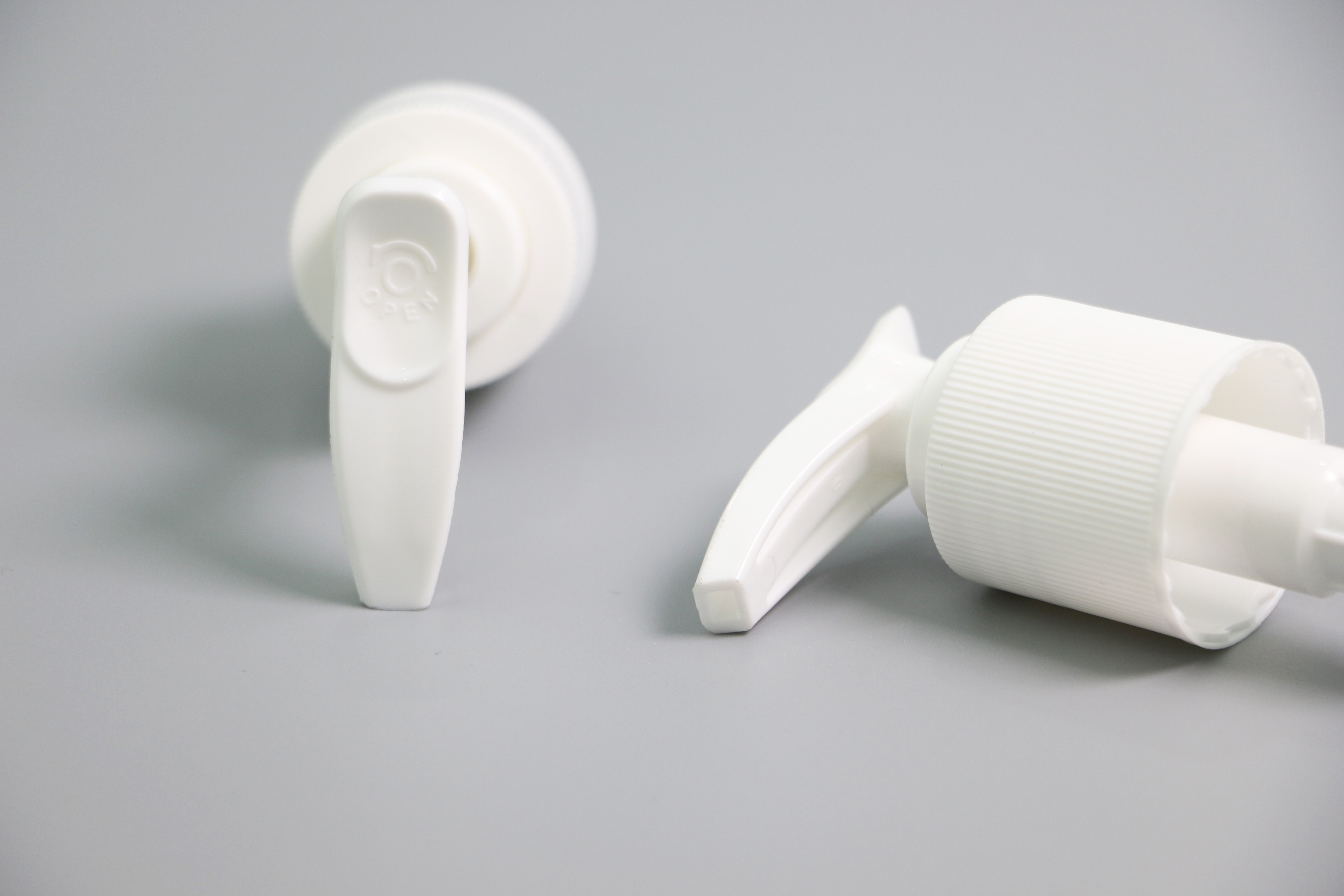
၎င်း လုံးခြည် ပရေးယား ၎င်းဟာ ကိုယ်ရေးကိုယ်တာ ပြုပြင်မှု လုပ်ငန်းထဲမှာ အတတ်နိုင်ဆုံး ဖြန့်ဖြူးရေး ဖြေရှင်းနည်း တစ်ခုအဖြစ် ရပ်တည်နေပေမဲ့ ၎င်းရဲ့ တကယ့် အင်ဂျင်နီယာ စိန်ခေါ်မှုက မတူညီတဲ့ ထုတ်ကုန် ပုံစံမျိုးစုံမှာ တွေ့ရတဲ့ viscosity အဆင့်တွေရဲ့ ကျယ်ပြန့်တဲ့ ကန့်သတ်ချက်တွေနဲ့ ကိုက်ညီဖို့ပါ။ အသားအရေအတွက်ကို ထိန်းချုပ်ပေးရန် အလှကုန်တွေ ထုတ်ဖို့ လိုအပ်တဲ့ စက်ပစ္စည်းတွေကို ဘယ်လို ပြုပြင်ပြောင်းလဲနိုင်သလဲ ဆိုတာကို နားလည်လာခြင်းက ခေတ်သစ် အလှကုန်တွေ ထုတ်ဖို့ လိုအပ်တဲ့ စက်ပစ္စည်းတွေကို ဘယ်လို ပြုပြင်ပြောင်းလဲနိုင်သလဲ ဆိုတာကို ပြသပေးပါတယ်။

ကိုယ်ရေးကိုယ်နေ ဂျင်မီလီ စက်မှုလုပ်ငန်းသည် လေးထောင်ခြင်း အားဖော်ပြချက်များကို ၁၀ စင့်တီပေါ်စ်မှ ၅၀၀၀၀ စင့်တီပေါ်စ်အထိ အဆင့်များတွင် လေးထောင်ခြင်း အားဖော်ပြချက်များကို လက်ခံနိုင်ရန် လေးထောင်ခြင်း ပန်ပ်မ်းဒီဇိုင်းတစ်ခုကို လိုအပ်ပါသည်။ ဤအလွန်ကြီးမားသော အဆင့်အများကြောင့် ပန်ပ်မ်း စက်မှုလုပ်ငန်းသည် အတွင်းပိုင်း ဖိအားများ၊ ဖိအား ထိန်းချုပ်မှုများနှင့် လှုပ်ရှားမှု စက်မှုလုပ်ငန်းများကို ဉာဏ်ရည်ထက်မြက်စွာ ညှိနှိုင်းပေးရန် လိုအပ်ပါသည်။ ထိုသို့ဖြင့် ထုတ်ကုန်၏ အရည်အသွေးကို ထိန်းသိမ်းရန်နှင့် အသုံးပြုသူများ၏ က удовлетворенностьကို သေချာစေရန် ဖြစ်ပါသည်။ အလေးချိန်နည်းသော ဆဲရမ်များကို အပ်ဒိတ်မလုပ်ဘဲ လေးထောင်ခြင်း ပန်ပ်မ်းများကို ဒီဇိုင်းလုပ်ထားပါက ထောင်ခြင်း အများကြီးရှိသော ခရင်မ်များနှင့် အသုံးပြုရာတွင် အလွန်ကြီးမားသော ပျက်စီးမှုများ ဖြစ်ပေါ်စေပါမည်။ ထိုသို့ဖြင့် စားသုံးသူများ၏ စိတ်မကောင်းမှုများ၊ ထုတ်ကုန်များ ပျက်စီးမှုများနှင့် အမ်းဘရန်း အမည်အများ ပျက်စီးမှုများ ဖြစ်ပေါ်စေပါမည်။
လေးထောင်ခြင်း ပန်ပ်မ်း ဒီဇိုင်းတွင် စက်မှုလုပ်ငန်း လေးထောင်ခြင်း စနစ်များ
လေးထောင်ခြင်း တုံ့ပြန်မှုအတွက် ဖိအား အခန်း ညှိနှိုင်းခြင်း
လေးချင်းပမောက်ခ် ပန်ပ်သည် အဓိကအားဖြင့် ၎င်း၏ ဖိအား အခန်းဒီဇိုင်းမှတစ်ဆင့် အထူအပေါ့ကို ညှိယူနိုင်ပါသည်။ ဖိအားကို တစ်ခုချင်းစီ လှုပ်ရှားစေသည့် အချိန်ကာလအတွင်း အသုံးပြုသည့် အားကို ညှိပေးခြင်းဖြစ်ပါသည်။ အထူအပေါ့အဆင့်များ ကွဲပြားသည့် လေးချင်းပမောက်ခ် ပန်ပ်များကို ဖန်တီးရာတွင် ထုတ်လုပ်သူများသည် အခန်းအများအပေါ်နှင့် စပရင် ဖိအားကို ညှိပေးပြီး အထူအပေါ့အဆင့်အများအပေါ်တွင် အကောင်းဆုံး ဖိအား အပြုအမှုများကို ဖန်တီးပေးပါသည်။ ပိုမိုပေါ့ပါးသည့် ပုံစံဖွဲ့စည်းမှုအတွက် ထုတ်လွှင့်ရန် ဖိအားနည်းနည်းသာ လိုအပ်ပါသည်။ အထူသည် အတွင်းပိုင်း ခုခံမှုကို ကျော်လွှားရန်နှင့် လေးချင်းပမောက်ခ် ပန်ပ် စနစ်မှ အပြည့်အဝ ထုတ်လွှင့်ပေးရန် အခန်းဖိအားကို တိုးမှုန်းပေးရန် လိုအပ်ပါသည်။
အဆင့်မြင့်လိုရှင်ပန့်ဒီဇိုင်းများတွင် ခုခံမှုကို စောင်းမှုန်းထားသည့်အတိုင်း ဖိအားပေးမှုနက်ရှိုင်းမှုကို အလိုအလျောက်ညှိပေးသည့် ပြောင်းလဲနိုင်သည့် လှုပ်ရှားမှုနည်းပညာကို ထည့်သွင်းထားပါသည်။ ပန့်၏ ပလန်ဂျာသည် ထူသည့်ထုတ်ကုန်များမှ ခုခံမှုကို တွေ့ရှိသည့်အခါ စနစ်သည် ၎င်း၏ ဖိအားပေးမှု စက်ဝန်းကို ရှည်လျားစေပြီး ဖိအားတည်ဆောက်မှုအတွက် အချိန်ပိုများစေကာ အထူကြမ်းသည့် ဖော်မူလေးရှင်းများပါ လုံလောက်သည့် အရှိန်ဖေးမှုကို ရရှိစေပါသည်။ ဤ လှုပ်ရှားမှုကို အလိုအလျောက်ညှိပေးသည့် စနစ်သည် အများပြားသည့် ထုတ်ကုန်အမျိုးအစားများအတွက် လိုရှိန်ပန့်ကို သင့်တော်စေပါသည်။ အထူကြမ်းမှုအတိုင်းအတာများအလိုက် သီးခြားပန့်များကို မလိုအပ်စေရန် ဖြစ်ပါသည်။
ဗာလ်ဗ် ပုံစံချထားမှုနှင့် စစ်ဆေးရှိသည့် ဗာလ်ဗ် အင်ဂျင်နီယာလုပ်ငန်း
လေးစိတ်ပေါ်မှုကို ညှစ်ထုတ်သည့် ပန်းပုတ်အတွင်းရှိ ပိတ်ထားသည့် ဖောင်တောင်းအစုအဖွဲ့သည် အရှိန်အဟောင်းကို မော်လီကျူလာအဆင့်တွင် ညှိနေသည့် အရေးကြီးသည့် နေရာဖြစ်သည်။ အရေးကြီးသည့် လေးစိတ်ပေါ်မှုကို ညှစ်ထုတ်သည့် ပန်းပုတ်များတွင် အသုံးပြုသည့် ပိတ်ထားသည့် ဖောင်တောင်းများသည် ဆန့်ကျင်ဘက်ဖြစ်သည့် အင်အားနှစ်များကို မျှတစေရန် လုပ်ရမည်ဖြစ်သည်။ အရေးကြီးသည့် လေးစိတ်ပေါ်မှုကို ညှစ်ထုတ်သည့် ပန်းပုတ်များတွင် အသုံးပြုသည့် ပိတ်ထားသည့် ဖောင်တောင်းများသည် ဆန့်ကျင်ဘက်ဖြစ်သည့် အင်အားနှစ်များကို မျှတစေရန် လုပ်ရမည်ဖြစ်သည်။ အရေးကြီးသည့် လေးစိတ်ပေါ်မှုကို ညှစ်ထုတ်သည့် ပန်းပုတ်များတွင် အသုံးပြုသည့် ပိတ်ထားသည့် ဖောင်တောင်းများသည် ဆန့်ကျင်ဘက်ဖြစ်သည့် အင်အားနှစ်များကို မျှတစေရန် လုပ်ရမည်ဖြစ်သည်။ အရေးကြီးသည့် လေးစိတ်ပေါ်မှုကို ညှစ်ထုတ်သည့် ပန်းပုတ်များတွင် အသုံးပြုသည့် ပိတ်ထားသည့် ဖောင်တောင်းများသည် ဆန့်ကျင်ဘက်ဖြစ်သည့် အင်အားနှစ်များကို မျှတစေရန် လုပ်ရမည်ဖြစ်သည်။
ခေတ်မှီ လိုရ်ရှင် ပန်းပါးများကို ထုတ်လုပ်သည့် ကုမ္ပဏီများသည် ဖိအားအဆင့်ဆင့် ခွဲခြမ်းစိတ်ဖေးသည့် အမျှတသော တံခါးပေါက်များကို အသုံးပြုကြသည်။ ဤလိုရ်ရှင် ပန်းပါး အသေးစိတ်ပြောင်မှုသည် အရည်သို့မဟုတ် အမျှတသော အရည်အသွေးအလိုက် တံခါးပေါက်ကို ကွဲပြားစွာ တုံ့ပြန်နိုင်စေပါသည်။ ပထမဆုံးအကြိမ် ဖိအားသည် ပိုမိုပေါ့ပါးသည့် အရည်များအတွက် ဖြစ်ပြီး နောက်ဆုံးအကြိမ်တွင် ပိုမိုထူထဲသည့် ဖော်မူလေးများအတွက် ဖိအားကို တဖြည်းဖြည်း တိုးမှုန်းပေးပါသည်။ တံခါးပေါက်၏ ပိတ်မှုအစိတ်အပိုင်းများ၏ ပေါ့ပါးမှုသည်လည်း လိုရ်ရှင် ပန်းပါးသည် အရည်အသွေးအလိုက် ဘယ်လို လျော့ကျမှုကို ပေးနိုင်မည်ကို သက်ရောက်မှုရှိပါသည်။ အထူးသဖြင့် ပေါ့ပါးသည့် ဆာရမ်များ သို့မဟုတ် ထူထဲသည့် ကိုယ်ခန္ဓာအမျှတသော ခရင်မ်များကို တွေ့ကြုံရှိသည့်အခါ ပိတ်မှုအစိတ်အပိုင်းများသည် တစ်ပါးတည်း ဖိစီးမှုကို ခံနိုင်ရည်ရှိရပါမည်။
အစိတ်အပိုင်းများ ရွေးချယ်ခြင်းနှင့် မျက်နှာပုံ ကုသမှု နည်းလမ်းများ
အရည်အသွေးအလိုက် သည်းခံနိုင်မှုအတွက် ပေါ်လီမာ ဖွဲ့စည်းမှု
အဆီဓာတ်စုပ်စက်အိမ်နဲ့ အတွင်းပိုင်း အစိတ်အပိုင်းတွေဟာ ထုတ်ကုန်ရဲ့ viscosity ကို လိုက်ပြီး စိတ်ဖိစီးမှု ပုံစံအမျိုးမျိုး ကြုံတွေ့ရပြီး တိကျတဲ့ ပစ္စည်းရွေးချယ်မှု လိုအပ်ပါတယ်။ အဆီဓာတ်ဖြည့်စက်များ တည်ဆောက်ရာတွင် အများအားဖြင့် အသုံးပြုသော polypropylene နှင့် acrylic ပစ္စည်းများသည် ကျစ်လစ်မှု သို့မဟုတ် ဖိအားအားဖြင့် အက်ကွဲခြင်းမရှိဘဲ ထူထပ်သော ပုံသဏ္ဍာန်များကို ဖြန့်ဖြူးရာတွင် ပိုမြင့်သော အတွင်းဖိအားများကို ခံနိုင်ရည်ရှိရမည်။ ထုတ်လုပ်သူများက ဖိအားစက်ဝန်းအတွက် လိုအပ်သော ပျော့ပြောင်းမှုကို ထိန်းသိမ်းရင်း ဆွဲဆန့်မှုအားတိုးမြှင့်ရန်အတွက် အားဖြည့်သော အမျှင်များ ထည့်သွင်းခြင်း သို့မဟုတ် ပိုလီမာ အရည်အသွေးကို ပြောင်းလဲခြင်းဖြင့် အဆီဓာတ်ပန့်၏ ခံနိုင်ရည်ကို မြှင့်တင်ပေးသည်။
အတွင်းပိုင်း လော့ရှင် ပန်ပ်များ၏ အစိတ်အပိုင်းများသို့ အသုံးပြုသည့် မျက်နှာပုံ ကုသမှုများသည် အထူးသဖြင့် အရည်သို့မဟုတ် ဂဲလ် အများအားဖြင့် အသုံးပြုသည့် ပစ္စည်းများ၏ အထူမှု အခြေအနေကို လေးစားသည့် စွမ်းရည်ကို အလွန်အမင်း သက်ရောက်မှုရှိပါသည်။ အတွင်းပိုင်း နံရံများကို ချောမွေ့စေခြင်း၊ အမျှတစေခြင်း သို့မဟုတ် အထူမှုများသော ပစ္စည်းများကို အခန်းများနှင့် အမျှတများမှ ဖြတ်သန်းစေရန် လွယ်ကူစေရန် အတွင်းပိုင်း မျက်နှာပုံများနှင့် ပစ္စည်းများကြား ပွန်းစားမှုကို လျော့နည်းစေရန် အထူးသဖြင့် အလွန်အမင်း အရေးကြီးပါသည်။ မျက်နှာပုံ အဆင့်မှုကို အကောင်းဆုံး လုပ်ဆောင်ထားသည့် လော့ရှင် ပန်ပ်သည် အထူမှု အဆင့်များအတွက် စွမ်းရည်ကို တည်ငြိမ်စေပါသည်။ အဘယ်ကြောင့်ဆိုသော် အတွင်းပိုင်း ခုခံမှုသည် အထူမှု အဆင့်များပေါ်တွင် မှန်ကန်စွာ ခန့်မှန်းနိုင်ပါသည်။ ထို့ကြောင့် ပန်ပ် စနစ်အတွင်း ဖြတ်သန်းသည့် ပစ္စည်းများသည် အလေးချိန် အနည်းငယ်သို့မဟုတ် အလေးချိန် များပါသည်။
အပိုင်းအစိတ် ပစ္စည်းများ၏ ပျော့ပါးမှုနှင့် ဖိအား ခံနိုင်မှု
လေးချန်ပုပ်မှုန်းအတွင်းရှိ စီးလ်များနှင့် ဂက်စကက်များသည် အထူးသဖြင့် အထူမှ အပေါ့အထိ အများကြီးကွဲပြားသော အထူမှုအဆင့်များတွင် အပ်ပ်မှုကို ထိန်းသိမ်းရန် လိုအပ်ပါသည်။ ထို့ကြောင့် အထူမှုအနောက်တွင် အများကြီးကွဲပြားသော အပ်ပ်မှုများကို ထိန်းသိမ်းနိုင်သည့် အယ်လာစ်တောမာများကို အသုံးပြုရန် လိုအပ်ပါသည်။ သဘောထားသော ရာဘာ၊ စီလီကွန်နှင့် စီန်သက်တောမာများသည် အသီးသီးကွဲပြားသော ဖိအားခံနိုင်မှုများနှင့် ထုတ်ကုန်များနှင့် ထိတွေ့မှုကို ခံနိုင်မှုများကို ပေးစေပါသည်။ လေးချန်ပုပ်မှုန်းအင်ဂျင်နီယာများသည် အထူမှုန်းအနောက်တွင် ပေါ့ပါးသော အပ်ပ်မှုကို ထိန်းသိမ်းနိုင်သည့် စီးလ်ပစ္စည်းများကို ရွေးချယ်ပါသည်။ ထိုသို့ဖြင့် ဖိအားကို အများကြီးလျော့ချနိုင်သည့် အခွင့်အလမ်းကို ပေးစေပါသည်။ အထူမှုများတွင် စီးလ်များသည် အများကြီးမှုန်းမှုကို ထိန်းသိမ်းနိုင်ရန် အများကြီးမှုန်းမှုကို ထိန်းသိမ်းနိုင်သည့် အခွင့်အလမ်းကို ပေးစေပါသည်။ ထိုသို့ဖြင့် လေးချန်ပုပ်မှုန်း၏ စက်မှုအကောင်အထောက်အကူမှုကို မှုန်းမှုမှုကို ထိန်းသိမ်းနိုင်ပါသည်။
လေးချိန်အမျိုးမျိုးရှိသည့် ပစ္စည်းများကို ဖောက်သည်များ အသုံးပြုရာတွင် အတိအကျဖောက်ထုတ်နိုင်မှုနှင့် အသုံးပြုမှုအတွေ့အကြုံတွင် လေးချိန်ပေးသည့် ပန်ပ်များ၏ ပိတ်မိသည့် စွမ်းရည်သည် တိုက်ရိုက်ဆက်စပ်နေပါသည်။ အရည်အသွေးနိမ့်သည့် ပိတ်မိသည့် ပစ္စည်းများသည် အချို့သည့် ပစ္စည်းများနှင့် ထိတွေ့မှုရှိသည့်အခါ အလွန်အမင်း ဖောင်းလောင်းမှုဖြစ်ပေါ်စေပြီး ပွန်းစဲမှု တိုးပေါ်စေကာ ပန်ပ်၏ တုံ့ပြန်မှုကို လျော့နည်းစေပါသည်။ အထူးကောင်းမွန်သည့် လေးချိန်ပေးသည့် ပန်ပ်များတွင် အလွန်မှုန်းသည့် ပိတ်မိသည့် ပစ္စည်းများ သို့မဟုတ် အရှိန်အဟောင်းများကို ပေါင်းစပ်အသုံးပြုထားပြီး ဖောင်မူလေးချိန်အမျိုးမျိုးပေါ်တွင် ဖောင်းလောင်းမှုကို ခုခံနိုင်ပါသည်။ ထို့အပြင် ဖောက်သည်များ အသုံးပြုရာတွင် အသုံးဝင်သည့် ပိတ်မိသည့် ပစ္စည်းများ၏ လုံခြုံမှုကို ထိန်းသိမ်းနိုင်ရန် လုံလေးမှုကို ထိန်းသိမ်းပေးပါသည်။
အစီအစဉ်အတိုင်း စီးဆင်းမှုလမ်းကြောင်း အကောင်းဆုံးဖော်ထုတ်ခြင်းနှင့် အတွင်းပိုင်း ပုံစံ
ဖောက်ထုတ်မှုလမ်းကြောင်း၏ အလေးချိန်နှင့် ဖိအားလမ်းကြောင်း ဒီဇိုင်း
လေးချန်းမှုအတိုင်း ကွဲပြားသော အထူအပေါ် အသုံးပြုနိုင်ရန် လေးချန်းမှု ပန်ပိုက်၏ အတွင်းပိုင်း စီးဆင်းမှု လမ်းကြောင်းများကို အင်ဂျင်နီယာများက အထူး ဒီဇိုင်းထုတ်ထားခြင်းဖြစ်သည်။ ထူသော ပုံစံများကို ဖောက်ထွင်းမှု ဖိအား အလွန်များပါးစေခြင်းမရှိဘဲ ဖောက်ထွင်းနိုင်ရန် လမ်းကြောင်းများသည် လုံလောက်စွာ ကျယ်ဝန်းရမည်။ ထို့အတူ ပေါ့ပါးသော ပုံစံများအတွက် လုံလောက်သော ဖိအားကို ထုတ်လုပ်ပေးနိုင်ရန် လမ်းကြောင်းများသည် လုံလောက်စွာ ကျဉ်းမျောင်းရမည်။ ခေတ်မှီ လေးချန်းမှု ပန်ပိုက်များတွင် လမ်းကြောင်းအရွယ်အစားများကို အသုံးပြုကြပြီး ဖိအားဖောက်ထွင်းမှု ဧရိယာများတွင် ကျယ်ဝန်းသော လမ်းကြောင်းများကို အသုံးပြုကြပြီး တိကျသော ထုတ်လွှတ်မှု ဧရိယာများတွင် ကျဉ်းမျောင်းသော လမ်းကြောင်းများကို အသုံးပြုကြသည်။ ထိုသို့ဖောက်ထွင်းမှု ဖိအားကို လေးချန်းမှု အများအနေဖြင့် ဟန်ချက်ညီစေရန် အသုံးပြုကြခြင်းဖြစ်သည်။
ကွန်ပျူတာဖလုဒ်မော်ဒယ်လင်းသည် အရှိန်အဟုန်မြင့်မှုနှင့် စီးဆင်းမှုပုံစံများ အထူထောင်မှုတိုးမှုနှင့်အမျှ မည်သို့ပြောင်းလဲသည်ကို ဖော်ထုတ်ပေးခြင်းဖြင့် လော်ရှင်ပန်းပေါ်မှုအင်ဂျင်နီယာပညာကို အများကြီးပြောင်းလဲစေခဲ့သည်။ ဤသို့သော အာရုံစိုက်မှုများဖြင့် ဒီဇိုင်းလုပ်ထားသော လော်ရှင်ပန်းပေါ်မှုသည် အထူထောင်မှုအတန်းများတွင် အထူးကောင်းမွန်သော စွမ်းဆောင်ရည်ကို ရရှိစေသည်၊ အဘယ်ကြောင့်ဆိုသော် အတွင်းပိုင်း ပုံစံသည် အလှကုန်ပုံစ်များ၏ နှေးကွေးသော အပြုအမှုများကို ထည့်သွင်းစဥ်းစားထားသောကြောင့်ဖြစ်သည်။ လော်ရှင်ပန်းပေါ်မှု၏ အတွင်းပိုင်း အမြှောင်များသည် အထူးသဖြင့် ကွေးမှုနှင့် အဝေးကြောင်းများဖြင့် ပုံစ်ထုတ်ထားပြီး ထိုသို့သော ဖိအားများကို ထိရောက်စွာ ဖန်တီးပေးနိုင်သည်၊ ထိုသို့သော ဖိအားများသည် ထုတ်ကုန်သည် ပိုမိုပေါ့ပါးသော သို့မဟုတ် ပိုမိုထူထောင်သော အမျိုးအစားဖြစ်စေကာမျှ အကောင်အထည်ဖော်ရှိန်းမှုကို အကောင်အထည်ဖော်ပေးနိုင်သည်။
အဓိက အခန်း၏ စွမ်းရည်နှင့် ပြန်လည်အသုံးပြုမှု ထိရောက်မှု
လေးချန်းမှုနည်းပညာပါသော လေးချန်းခလုတ်၏ အဓိက အောက်ဆောင်ပေးသည့် အစိတ်အပိုင်းသည် နောက်ထပ် ဖိအားဖေးမှုများအတွက် ထုတ်ကုန်ကို သိမ်းဆီးထားပေးသည့် အရေးကြီးသော အကောင်အယောင်ဖြစ်ပါသည်။ ထိုကြောင့် ပိုမိုထူထဲသော ဖော်မွဲလ်များသည် အသုံးပြုသူ၏ အလုပ်အများကြီးမလုပ်ဘဲ လုံလောက်သော ဖိအားကို ဖန်တီးနိုင်ပါသည်။ အရေးကြီးသော အောက်ဆောင်ပေးသည့် အစိတ်အပိုင်းများကို ပိုမိုကြီးမားစေခြင်းဖြင့် အထူထဲမှုများသော ထုတ်ကုန်များအတွက် အပြည့်အဝ ထုတ်လွှတ်နိုင်ရန် လုံလောက်သော ပမာဏကို စုစည်းပေးနိုင်ပါသည်။ အနည်းငယ်သော အောက်ဆောင်ပေးသည့် အစိတ်အပိုင်းများကို အသုံးပြုခြင်းဖြင့် ပိုမိုပေါ့ပါးသော ထုတ်ကုန်များ စုပုံမှုများကို ကာကွယ်ပေးပြီး ထုတ်လွှတ်ရန် ခက်ခဲမှုများကို ကာကွယ်ပေးနိုင်ပါသည်။ အဆင့်မြင့်သော လေးချန်းခလုတ်များသည် အတွင်းပိုင်း အကာအကွယ်များ (baffles) သို့မဟုတ် အဆင့်ဆင့် ပြောင်းလဲနိုင်သော အတွင်းပိုင်း အခန်းများ (graduated bore sections) များကို အသုံးပြု၍ အောက်ဆောင်ပေးသည့် အစိတ်အပိုင်း၏ ပမာဏကို ညှိပေးပါသည်။ ထိုသို့ဖြင့် အထူထဲမှုအားလုံးအတွက် အကောင်အယောင်ကောင်းမှုကို အများဆုံးဖော်ထုတ်ပေးနိုင်ပါသည်။
လေးချန်းပမ်ပ်တွင် ပြန်လည်အသုံးပြုနိုင်မှု ထိရောက်မှုသည် အထက်သို့ ဖိသော စက်အဆင့်များအတွင်း ကုန်ပစ္စည်းကျန်ရှိမှုများ အခန်းထဲသို့ ပြန်လည်ဝင်ရောက်မှုကို ဆုံးဖြတ်ပေးပါသည်။ ထူသော ပုံစံများသည် ပြန်လည်ဝင်ရောက်မှုကို ခုခံမှုဖြစ်စေသောကြောင့် ပြန်လည်အသုံးပြုနိုင်မှုကို စိန်ခေးပါသည်။ ထိုသို့သော ခုခံမှုကြောင့် နောက်ထပ် ဖိသော အဆင့်များတွင် အပြည့်အဝ မစတင်နိုင်သည့် အခြေအနေများ ဖြစ်ပေါ်လာနိုင်ပါသည်။ အဆင့်မြင့် လေးချန်းပမ်ပ်များတွင် စက်အစိတ်အပိုင်းများကို အထူသော ပုံစံများအတွက် ပြန်လည်အသုံးပြုနိုင်မှုကို မြင့်တင်ပေးပါသည်။ ထို့အပြင် အရည်ပေါ့သော ပုံစံများအတွက် အလွန်အမင်း ပြန်လည်ဝင်ရောက်မှုကို ကာကွယ်ပေးပါသည်။ ထိုသို့သော အလွန်အမင်း ပြန်လည်ဝင်ရောက်မှုကြောင့် အလွန်အမင်း စို့ထွက်မှုများ သို့မဟုတ် မသေချာသော ထုတ်လွှင်မှုများ ဖြစ်ပေါ်လာနိုင်ပါသည်။
မေးလေ့ရှိသောမေးခွန်းများ။
စံသတ်မှတ်ထားသော လေးချန်းပမ်ပ်သည် အထိရောက်ဆုံး အားဖြင့် အရည်ပေါ့မှု ဘယ်လောက်အထိ လက်ခံနိုင်ပါသနည်း။
ကောင်းမွန်စွာ ဒီဇိုင်းထုတ်ထားသော လေးချန်းပမ်ပ်များသည် အများအားဖြင့် စင်တီပိုအိုစ် ၅၀ မှ စင်တီပိုအိုစ် ၃၀၀၀၀ အထိ အရည်ပေါ့မှုအဆင့်များကို လက်ခံနိုင်ပါသည်။ ထိုအရည်ပေါ့မှုအဆင့်များသည် အများစုသော အလှကုန်နှင့် ကိုယ်ရေးကိုယ်တာ ဂရုစိုက်မှု ပုံစံများကို ဖုံးလွှမ်းပါသည်။ ထုတ်ကုန်များ စီပီ ၅၀ ထက်နည်းသော အရည်များသည် အလွန်အမင်း ထွက်လေ့ရှိပြီး၊ စီပီ ၃၀၀၀၀ ကျော်သော အရည်များသည် အသုံးပြုသူမှ အလွန်အမင်း အားကုန်သုံးရန် လိုအပ်နိုင်သည်။ အထူးပြုထားသော လော်ရှင် ပန်းပါးများကား ဤအကြမ်းဖျင်းများကို ချဲ့ထွင်နိုင်သော်လည်း အရည်၏ အထူမှုသည် လော်ရှင် ပန်းပါးနှင့် ကိုက်ညီမှုရှိမှုနှင့် အသုံးပြုသူ၏ အတွေ့အကြုံကို ဆုံးဖြတ်ရာတွင် အဓိက အချက်ဖြစ်သည်။
အရည်၏ အထူမှုအများအပြားပေါ်တွင် လော်ရှင် ပန်းပါး၏ အလုပ်လုပ်မှုကို အပူချိန်သည် မည်သို့သို့ သက်ရောက်မှုရှိသနည်း။
အပူချိန်သည် အရည်၏ အထူမှုကို အလွန်အမင်း သက်ရောက်မှုရှိသည်။ အပူချိန်မြင့်လာပါက အရည်၏ အထူမှုသည် လျော့နည်းပြီး၊ အပူချိန်နိမ့်လာပါက အထူမှုသည် မြင့်တက်လေ့ရှိသည်။ အခန်းအပူချိန်တွင် အလုပ်လုပ်မှုကို ညှိထားသော လော်ရှင် ပန်းပါးသည် အအေးခံထားသော အခြေအနေများတွင် အရည်၏ အထူမှုမြင့်တက်လာသောကြောင့် အားပိုမိုသုံးရန် လိုအပ်နိုင်သည်။ အပူချိန်မြင့်မှုကြောင့် အရည်ပေါ်တွင် အလွန်အမင်း ထွက်လေ့ရှိသည်။ ရှေးနေ့နှင့် ပတ်ဝန်းကျင်အပူချိန် အပေါ်တွင် လော်ရှင် ပန်းပါး၏ အလုပ်လုပ်မှုကို တည်ငြိမ်စေရန် အပူချိန်ထိန်းထားသော သိုလှောင်ရုံများနှင့် အရည်၏ အထူမှုကို ညှိပေးသော ပစ္စည်းများကို အသုံးပြုလေ့ရှိသည်။
တစ်မျိုးတည်းသော အဆီဆေးထိုးစက်ပုံစံက ပါးပါးတဲ့ ဆီးရီးယားနဲ့ ထူတဲ့ ခန္ဓာကိုယ်ခရင်မ် နှစ်ခုစလုံးကို ဖြည့်ပေးနိုင်လား။
ခေတ်သစ်သော အဆီဓာတ်ထိုးစက်နည်းပညာသည် မှန်ကန်သော ဗယ်လ်ဗားအက်ချိန်သတ်မှတ်ခြင်း၊ ဖြတ်သန်းမှု ဂျီသြမေတြီ အကောင်းမွန်ခြင်းနှင့် ပစ္စည်းရွေးချယ်မှုဖြင့် ဒီဇိုင်းထုတ်လုပ်ထားသည့်အခါ ထူထပ်သော အဆီဓာတ်များမှတစ်ဆင့် ပါးပါးသော ဆီးရမ်များကို ဝန်ဆောင်ပေးသည့် တစ်မျိုးတည်း သို့သော်လည်း အလွန်အကျွံ viscosity အဆုံးများရှိ ထုတ်ကုန်များတွင် အထူးပြု ပန့်ဗားရှင်းများဖြင့် ပိုကောင်းမွန်စွာ လုပ်ဆောင်နိုင်သည်။ ထုတ်လုပ်သူအများစုက ထုတ်ကုန်ထုတ်လုပ်စဉ်တွင် viscosity သတ်မှတ်ချက်များကို တိုင်ပင်ရန် အကြံပြုကြသည်၊ အကြောင်းက သီးခြားထုတ်ကုန် viscosity range အတွက် optimized လုပ်ထားသော lotion pump သည် generic solution များနှင့်ယှဉ်လျှင် ပိုမိုကောင်းမွန်သောယုံကြည်မှုနှင့် စားသုံးသူကျေနပ်မှုကိုပေးသည်။
အကြောင်းအရာများ
- လေးထောင်ခြင်း ပန်ပ်မ်း ဒီဇိုင်းတွင် စက်မှုလုပ်ငန်း လေးထောင်ခြင်း စနစ်များ
- အစိတ်အပိုင်းများ ရွေးချယ်ခြင်းနှင့် မျက်နှာပုံ ကုသမှု နည်းလမ်းများ
- အစီအစဉ်အတိုင်း စီးဆင်းမှုလမ်းကြောင်း အကောင်းဆုံးဖော်ထုတ်ခြင်းနှင့် အတွင်းပိုင်း ပုံစံ
-
မေးလေ့ရှိသောမေးခွန်းများ။
- စံသတ်မှတ်ထားသော လေးချန်းပမ်ပ်သည် အထိရောက်ဆုံး အားဖြင့် အရည်ပေါ့မှု ဘယ်လောက်အထိ လက်ခံနိုင်ပါသနည်း။
- အရည်၏ အထူမှုအများအပြားပေါ်တွင် လော်ရှင် ပန်းပါး၏ အလုပ်လုပ်မှုကို အပူချိန်သည် မည်သို့သို့ သက်ရောက်မှုရှိသနည်း။
- တစ်မျိုးတည်းသော အဆီဆေးထိုးစက်ပုံစံက ပါးပါးတဲ့ ဆီးရီးယားနဲ့ ထူတဲ့ ခန္ဓာကိုယ်ခရင်မ် နှစ်ခုစလုံးကို ဖြည့်ပေးနိုင်လား။