
 EN
EN



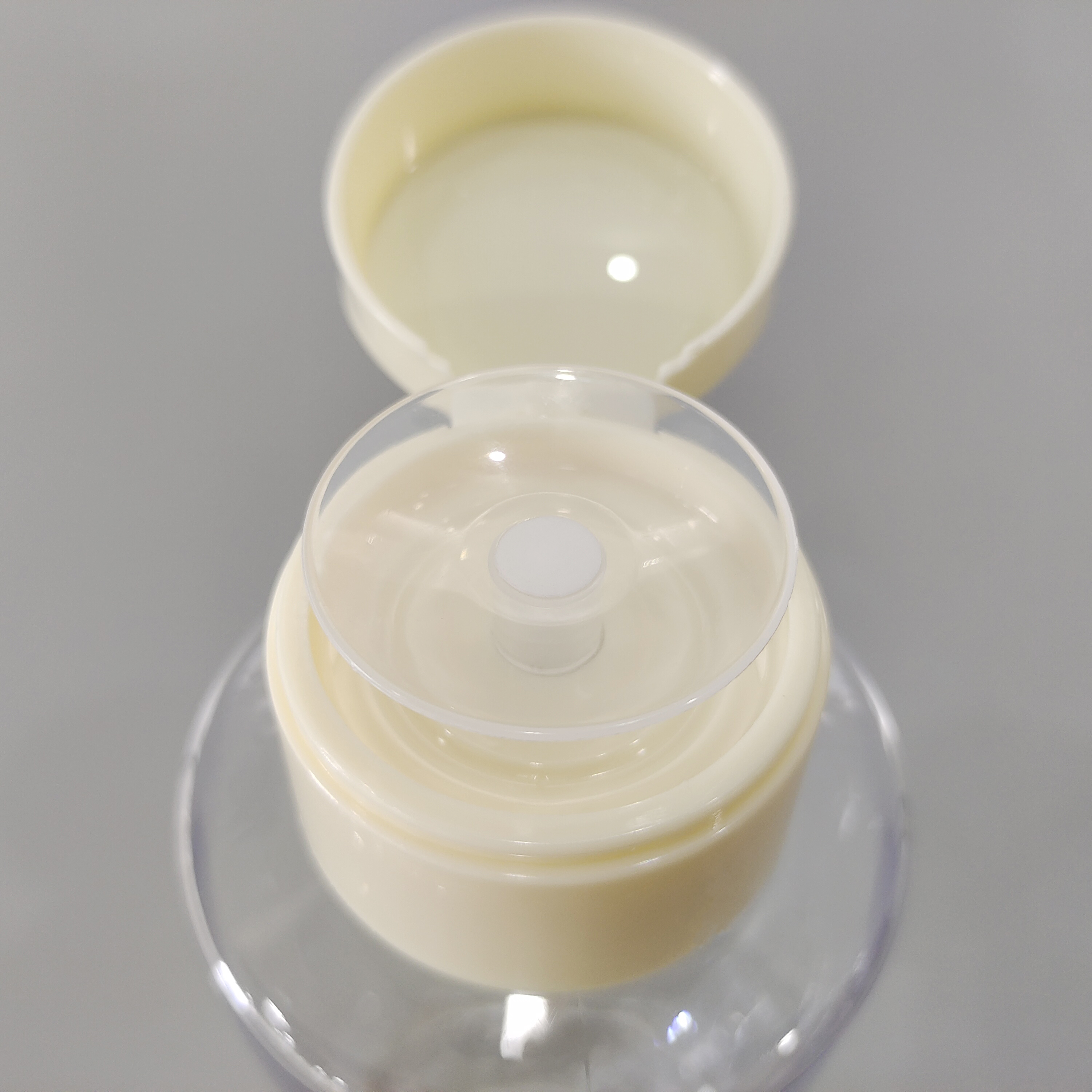
Նեյլ պամպը ճշգրտության վրա հիմնված դիսպենսերային սարք է, որը նախատեսված է հեղուկ արտադրանքների հաստատուն ծավալների տրամադրման համար մասնագիտական նեյլ խնամքի միջավայրում: Նեյլ պամպի տարբեր հեղուկներին հարմարվելու սկզբունքի հասկանալը անհրաժեշտ է սալոնների սեփականատերերի, նեյլ տեխնիկների և արտադրանքների արտադրողների համար, ովքեր հենվում են այս համակարգերի վրա՝ ճշգրիտ կիրառման և հաճախորդների բավարարվածության համար: Նեյլ պամպի բազմազանությունը տարբեր բաղադրությունների համար ուղղակիորեն ազդում է մշակման որակի, արտադրանքի կորցրած քանակի նվազեցման և նեյլ խնամքի կիրառումներում գործառնական արդյունավետության վրա:
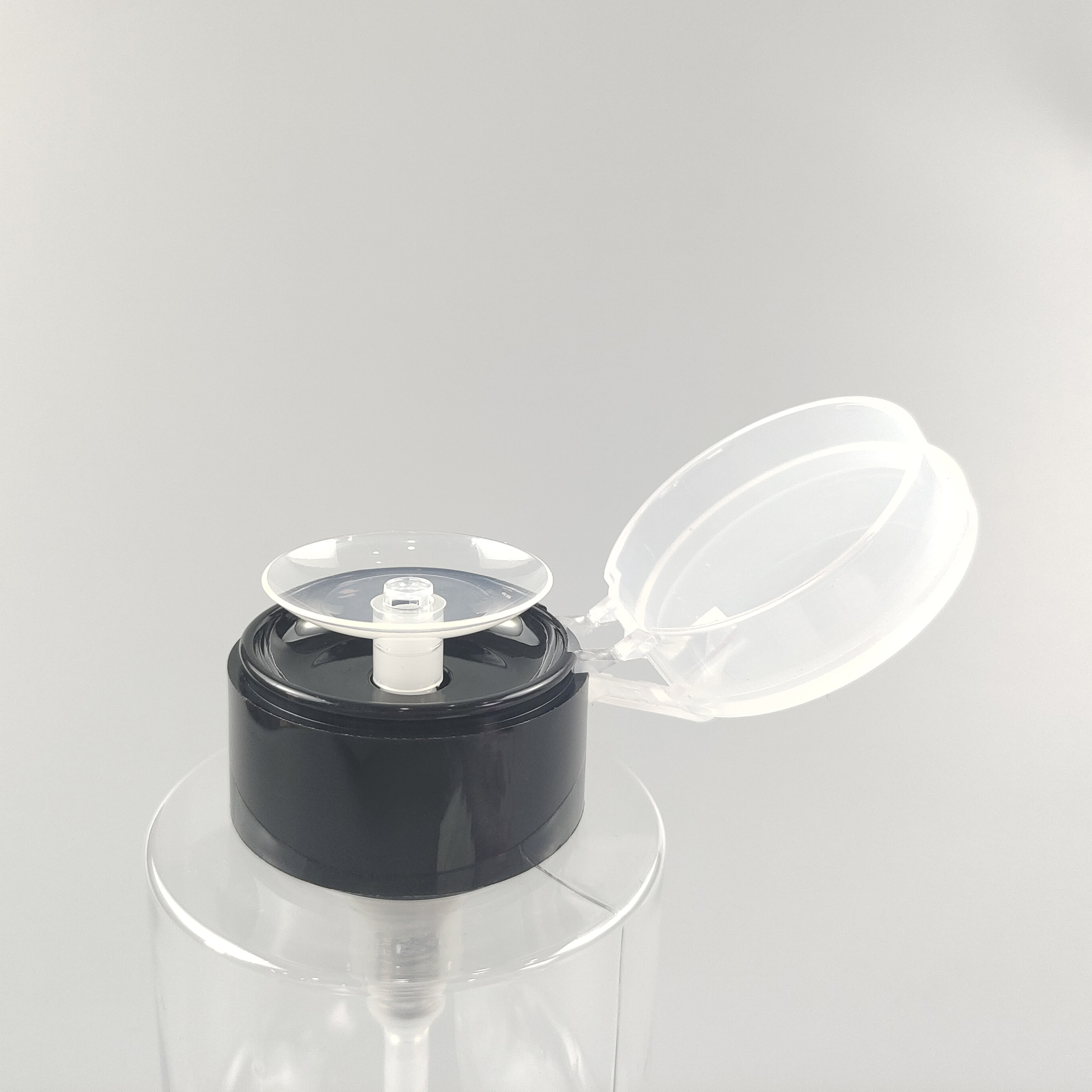
Նեյլ պամպերի արդյունաբերությունը զգալիորեն զարգացել է՝ համապատասխանելու ժամանակակից նեյլ մշակումներում օգտագործվող ապրանքների լայն սպեկտրին: Մինչև թեթև ժելերն ու ակրիլիկները, մինչև ավելի հաստ հիմնային շերտերն ու մասնագիտացված մշակումները՝ նեյլ պամպը պետք է ապահովի համասեռ արդյունք բոլոր տարբեր բաղադրությունների համար: Այս հարմարվողականությունը ներառում է մեխանիկական դիզայն, նյութերի ընտրություն և ճարտարագիտական հաշվարկներ, որոնք թույլ են տալիս նեյլ պամպին կառավարել վիսկոզության տատանումները, քիմիական համատեղելիությունը և կիրառման ճշգրտությունը, որոնք պրոֆեսիոնալ նեյլ տեխնիկները պահանջում են իրենց ամենօրյա աշխատանքային գործընթացում:
Մեխանիկական դիզայն և վիսկոզության հարմարվողականություն
Ինչպես են պամպավորման մեխանիզմները կառավարում փոփոխական հաստությունը
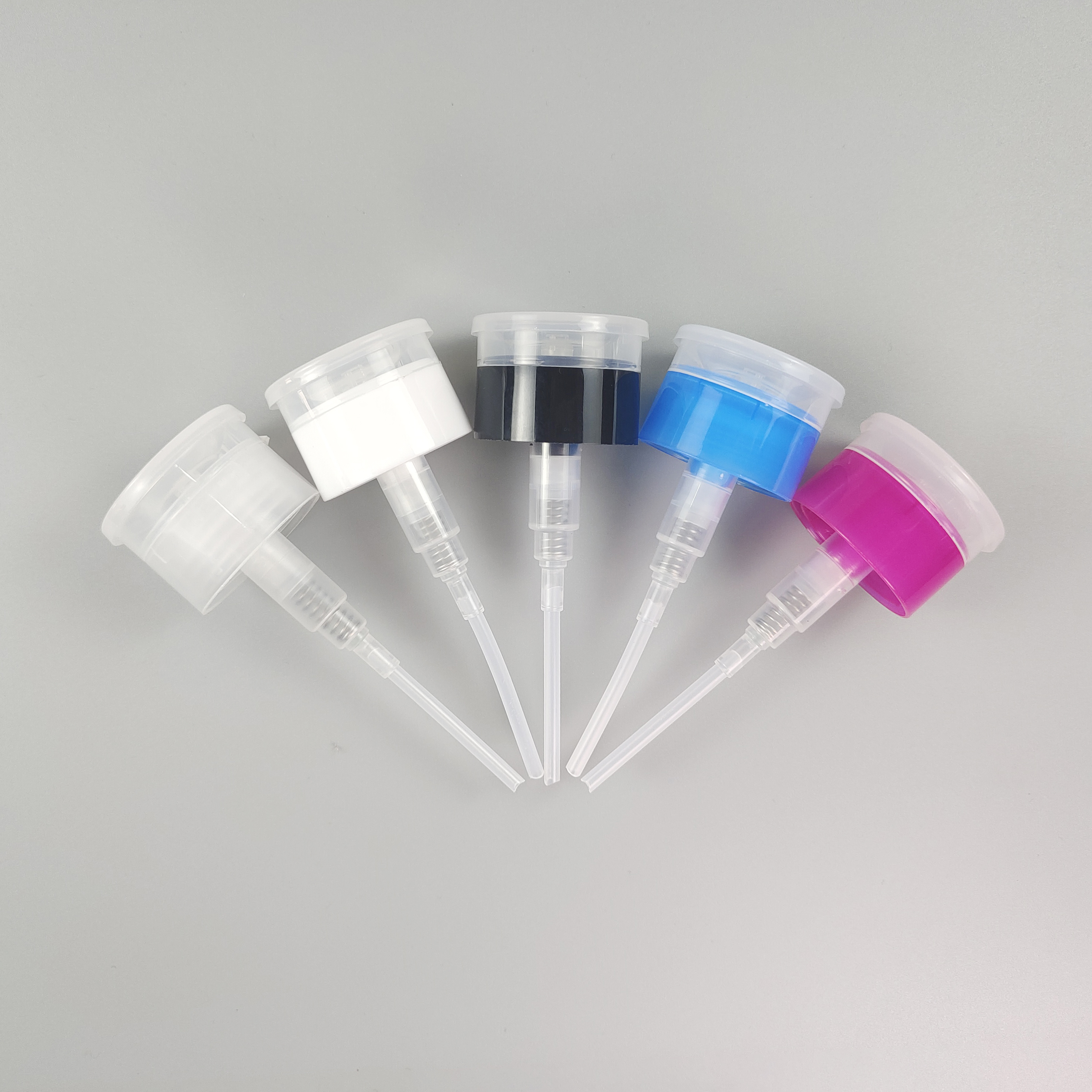
Նեյլ պոմպի հարմարվողականության հիմքը նրա պոմպավորման մեխանիզմն է, որը ստիպված է ստեղծել բավարար ուժ՝ հանգեցնելու ինչպես թանձր, այնպես էլ շատ հեղուկ հեղուկներ: Մասնագիտական մակարդակի նեյլ պոմպերը օգտագործում են տեղաշարժի վրա հիմնված մեխանիզմներ, որոնք կարող են հարմարվել վիսկոզության տարբեր միջակայքերի՝ ցածր վիսկոզությամբ լուծիչներից մինչև բարձր վիսկոզությամբ ժելերի բաղադրություններ: Բազմաֆունկցիոնալ արտադրանքների համար նախատեսված նեյլ պոմպը ներառում է զսպիչ զառիկի լարվածություն և խցիկի ծավալի ճշգրտում՝ ապահովելու հեղուկի հաստությունից անկախ հաստատուն ելք, ինչը երաշխավորում է, որ մասնագետները յուրաքանչյուր կիրառման դեպքում ստանում են ճշգրիտ չափաբաժիններ:
Տարբեր նույնականացման միջոցների համար անհրաժեշտ են տարբեր սեղմման ճնշումներ և փականների պատասխանման ժամանակներ: Թանձրացված հեղուկների, օրինակ՝ լաքի հեռացնողների կամ պրայմերային լուծույթների համար նախատեսված նույնականացման պոմպը աշխատում է թեթև զսպանակային լարվածությամբ, ինչը թույլ է տալիս արագ հեղուկի հոսք՝ առանց չափից շատ ուժի կիրառման: Ի հակադրություն դրան, երբ նույնականացման պոմպը հանդիպում է ավելի թանձր միջոցների, օրինակ՝ կառուցողական ժելերի կամ ակրիլային հիմնային ծածկույթների, ներքին մեխանիզմը հարմարվում է մատերիալի կոշտության և փականի երկրաչափության միջոցով՝ օդային բացվածքները կանխելու և խցիկի ամբողջական լցման երաշխիք տալու համար: Ժամանակակից նույնականացման պոմպերի նախագծերը ներառում են երկու փուլային փականներ, որոնք ինքնաբերաբար հարմարվում են մուտքի և ելքի դիմադրության՝ հիմնված հեղուկի դիմադրության պրոֆիլի վրա:
Ամրացման և սեղման մատերիալներ քիմիական համատեղելիության համար
Նեյլ պոմպի ներքին ամբողջական սեռափոխակները և սեռափոխակները կարևոր հարմարեցման կետեր են տարբեր հեղուկների համար: Նեյլ խնամքի ապրանքները պարունակում են տարբեր քիմիական բաղադրություններ, այդ թվում՝ ակրիլատներ, ացետոն, իզոպրոպիլային սպիրտ և սմուրներ, որոնք կարող են վնասել ստանդարտ ռետինե բաղադրիչները: Նեյլ պոմպի արտադրողը պետք է ընտրի էլաստոմերային նյութեր, օրինակ՝ նիտրիլ, EPDM կամ մասնագիտացված միացություններ, որոնք դիմացկուն են քիմիական ազդեցությանը՝ միաժամանակ պահպանելով ճկուն սեռափոխակային հատկությունները ճնշման ցիկլերի ժամանակ: Այս նյութերի ընտրությունը ապահովում է նեյլ պոմպի հուսալի աշխատանքը՝ անկախ նրանից, թե այն արտահանում է ջրային լուծույթներ, լուծիչների վրա հիմնված ապրանքներ կամ հաստ պոլիմերային ժելեր:
Քիմիական համատեղելիությունը ուղղակիորեն ազդում է մետաղալարի պոմպի ծառայության ժամանակաշրջանի և վստահելիության վրա արտադրական միջավայրում: Երբ մետաղալարի պոմպի ներքին սեղմանիչները ենթարկվում են անհամատեղելի լուծիչների, տեղի է ունենում փքում, կարծրացում կամ քայքայում, ինչը հանգեցնում է հետազոտված հեղուկի արտահոսքի և անհամաչափ ելքի: Այժմ մետաղալարի պոմպերի պրոֆեսիոնալ համակարգերը ներառում են նյութերի սերտիֆիկացիա, որոնք նշում են, թե որ հեղուկային բաղադրություններն են համատեղելի կոնկրետ էլաստոմերների տեսակների հետ: Մասնագետները, ովքեր սալոնում ընտրում են մետաղալարի պոմպ, պետք է համոզվեն, որ պոմպի ներքին նյութերը համապատասխանում են իրենց մշակման շարքում առկա կոնկրետ արտադրանքներին՝ խուսափելու վաղաժամկետ մաշվելուց և ապահովելու համաչափ աշխատանք:
Վիսկոզության տիրույթ և ճնշման համակերպման համակարգեր
Բազմազան մետաղալարի արտադրանքների բաղադրությունների համապատասխանեցում
Նեյլ մշակման արտադրանքները ծածկում են հսկայական վիսկոզության սպեկտր՝ ջրի նման լուծույթներից, որոնց վիսկոզությունը 10 սանտիպուազից ցածր է, մինչև բարձր վիսկոզությամբ շինարարական նյութեր, որոնց վիսկոզությունը գերազանցում է 100.000 սանտիպուազը: Այս ամբողջ սպեկտրը կարողանալու մշակել նեյլ պոմպը պետք է օգտագործի փոփոխական ճնշման համակարգեր, որոնք ինքնաբերաբար համապատասխանում են դիմադրության փոփոխություններին: Ժամանակակից նեյլ պոմպերի տեխնոլոգիան օգտագործում է կարգավորվող զսպանային սայլակներ, էլեկտրոնային ճնշման սենսորներ և հիդրավլիկ ամրացում՝ այս սպեկտրի ընթացքում ապահովելու համաստեղ շարժման ծավալը, ինչը հնարավորություն է տալիս մեկ նեյլ պոմպի միավորին ծառայել բազմաթիվ արտադրանքների տեսակների համար՝ առանց կիրառումների միջև ձեռքով վերակարգավորման անհրաժեշտության:
Ճնշումը հարմարեցնող նեյլ պոմպի գործնական առավելությունը անմիջապես երևում է բարձր ծավալային սալոններում, որտեղ մասնագետները փոխարկվում են պրայմերներից, ժելերից, ակրիլիկներից և վերջնական մշակման միջոցներից: Փոխարենը՝ տարբեր վիսկոզության համար առանձին նեյլ պոմպեր պահելու, մեկ հարմարվող նեյլ պոմպը նվազեցնում է սարքավորումների ծախսերը և վերապատրաստման բարդությունը: Ճնշման հարմարեցումը կանխում է տարածված լցման սխալները, օրինակ՝ չափից շատ լցնելը՝ երբ օգտագործվում են թանձր միջոցներ, կամ չափից քիչ լցնելը՝ երբ օգտագործվում են հաստ նյութեր, ինչը ուղղակիորեն բարելավում է նեյլ մշակումների համասեռությունը և սալոնի ծառայությունների հաճախորդների բավարարվածության մակարդակը:
Էլեկտրոնային կառավարում և հոսքի արագության ճշգրտում
Ժամանակակից մետաղադրամային պոմպերի համակարգերը ավելի ու ավելի շատ են ներառում էլեկտրոնային կառավարման համակարգեր, որոնք իրական ժամանակում ակտիվորեն հսկում են և ճշգրտում են բաշխման պարամետրերը: Էլեկտրոնային հետադարձ կապ ունեցող մետաղադրամային պոմպը կարող է հայտնաբերել դիմադրության փոփոխությունները, երբ հեղուկի ծանրությունը փոխվում է, և ինքնաբերաբար կարգավորել շարժիչի արագությունը կամ փականի աշխատանքի ժամանակը՝ ապահովելու նպատակային ելքային ծավալը: Այս տեխնոլոգիան ներկայացնում է արտադրանքի հարմարեցման մեջ կարևոր վերափոխում, որը հնարավորություն է տալիս մետաղադրամային պոմպին ճշգրիտ քանակով բաշխել արտադրանքը՝ անկախ նրանից, թե արտադրանքի բաղադրությունը արագ չորացնող լուծիչ է, թե դանդաղ հոսող ժել: Դա վերացնում է ձեռքով ճնշման ճշգրտումների անհրաժեշտությունը, որոնք ավելի վաղ պահանջում էին տեխնիկի մասնագիտական գիտելիքներ և ինտուիցիա:
Էլեկտրոնային վերահսկման միավորման միջոցով մեխի պոմպի մեջ նաև հնարավոր է ապրանքի փոխարինումը առանց դադարի: Տեխնիկները կարող են նախածրագրել տարբեր ապրանքների համար չափման պրոֆիլները մեխի պոմպի հիշողության մեջ, և համակարգը ավտոմատաբար կիրառում է ճիշտ պարամետրերը, երբ հայտնաբերվում է նոր ապրանքի տեսակ: Այս հնարավորությունը զգալիորեն նվազեցնում է կիրառման սխալները և արագացնում է սպասարկման մատուցումը բազմաթիվ սալոններում: Ինտելեկտուալ վերահսկմամբ մեխի պոմպը ներդրում է գործառնական արդյունավետության և ապրանքի համասեռության մեջ, որը ուղղակիորեն բերում է մեծացված հաճախորդների բավարարվածության և տեխնիկի մեկ ժամվա ընթացքում ստացված ավելի բարձր եկամտի:
Սեղանի ձևավորում և դուրս բերման օպտիմալացում
Սեղանի երկրաչափությունը տարբեր կիրառման նմուշների համար
Նեյլ պոմպի սեղանակի մասը ծառայում է որպես վերջնական հարմարեցման կետ, որտեղ տարբեր հեղուկների տեսակները ձևավորվում են կիրառմանը համապատասխան մատակարարման օրինակների: Նեյլ պոմպի սեղանակի տրամագիծը և դուրսբերման անկյունը պետք է օպտիմալացված լինեն ինչպես թանձր պրայմերների, այնպես էլ հաստ ժելերի համար՝ առաջինների համար անհրաժեշտ մշուշացման հնարավորության և երկրորդների համար՝ կիրառման կետերում վերահսկվող կուտակման համար: Պրոֆեսիոնալ մակարդակի նեյլ պոմպերի դիզայնը ներառում է փոխարինելի սեղանակներ, որոնք թույլ են տալիս մասնագետներին ընտրել յուրաքանչյուր արտադրանքի կատեգորիային ամենահարմար դուրսբերման երկրաչափությունը, կամ ներդրել ֆիքսված սեղանակներ՝ բարդ ներքին բաֆլերով, որոնք հարմարվում են դուրսբերման վարքագծին՝ հիմնված նեյլ պոմպի կողմից ստեղծված հակաճնշման վրա, որը պայմանավորված է արտադրանքի բեռնվածությամբ:
Երբ մետաղյա պոմպը աշխատում է թանձր հեղուկների հետ, սեղմանցքը պետք է կանխի մասնիկավորված միջավայրի առաջացումը և կաթիլների կաթեցումը՝ միաժամանակ ապահովելով բարակ ծածկույթ: Ի հակադրություն, երբ նույն մետաղյա պոմպը տալիս է շատ թանձր կառուցողական նյութեր, սեղմանցքը պետք է աջակցի ավելի ծանր կաթիլների առաջացմանը և վերահսկվող արտանետմանը: Սեղմանցքի ճարտարագիտությունը սա իրականացնում է ճշգրիտ մեքենայացված ներքին անցուղիների, հոսքի ձևավորման խցիկների և արտանետման բերանի կառուցվածքների միջոցով, որոնք ստեղծում են տարբեր մասնիկների չափսեր և կիրառման անկյուններ՝ կախված հեղուկի մակերևույթային լարվածությունից և ծանրությունից: Լավ նախագծված մետաղյա պոմպի սեղմանցքը սուրամետ կերպով «ճանաչում է» ինչ տիպի ապրանք է տրվում և ինքնաբերաբար հարմարեցնում է իր ելքային վարքագիծը համապատասխանաբար:
Մեկից ավելի ապրանքների օգտագործման պայմաններում խցանման և կուտակման կանխարգելում
Ամենագործնական մարտահրավերներից մեկը, որը նAIL Պոմպ դիմագրավում է ապրանքի տեսակների միջև անցման ժամանակ, սեղմանյութի խցանման ռիսկն է՝ մնացորդային նյութերի կամ դիսչարջի կետում քիմիական ռեակցիաների պատճառով: Նեյլ-պոմպի սիստեմը, որը գործում է սալոնում և օգտագործում է ինչպես լուծիչ-հիմնված, այնպես էլ UV-կուռացվող ապրանքներ, պետք է ներառի դիզայնային առանձնահատկություններ, որոնք կանխում են խառնարանային աղտոտումը և սեղմանյութի ծայրում բյուրեղացումը: Ժամանակակից նեյլ-պոմպի համակարգերը ներառում են ինքնամաքրվող սեղմանյութներ՝ ճշգրտությամբ մշակված վերադարձային անցուղիներով, որոնք մնացորդային ապրանքը վերադարձնում են պահեստավորման տարայի մեջ, կամ ներառում են մանրէասպան ծածկույթներ, որոնք կանխում են մանրէների աճը և կուտակված նյութի պինդացումը:
Մեկ մատյանի պոմպի հավաստիությունը բազմամատյան միջավայրերում մեծապես կախված է նրա կարողությունից երկար շահագործման ժամանակահատվածներում պահպանել սեղման բերանի մաքրությունը: Արտանետման կետերի խցանումը ստիպում է տեխնիկներին կատարել ձեռքով մաքրում կամ փոխարինում, ինչը նվազեցնում է արդյունավետությունը և մեծացնում է կանգայի ծախսերը: Լավ մշակված մատյանի պոմպը ներառում է պասիվ կամ ակտիվ մաքրման մեխանիզմներ, որոնք ինքնաբերաբար պահպանում են սեղման բերանի աշխատանքային ցուցանիշները: Որոշ առաջադեմ մատյանի պոմպերի մոդելներ ունեն ուլտրաձայնային կամ տաքացված սեղման բերաններ, որոնք կանխում են արտադրանքի բյուրեղացումը, մյուսները օգտագործում են լուծիչով լվացման հնարավորություններ, որոնք ինքնաբերաբար մաքրում են արտանետման ճանապարհը տարբեր արտադրանքների կիրառման միջև, ապահովելով ամբողջ աշխատանքային օրվա ընթացքում հաստատուն և հավաստի ելք:
Հաճախադեպ տրվող հարցեր
Կարո՞ղ է մեկ մատյանի պոմպը մշակել ինչպես բարակ, այնպես էլ հաստ մատյանի արտադրանքներ:
Այո, ժամանակակից պրոֆեսիոնալ մակարդակի մատների համար նախատեսված պոմպային համակարգերը մշակված են մատների բուժման ամբողջ արտադրանքի շարքում վիսկոզության տատանումներին հարմարվելու համար: Բարձրորակ մատների համար նախատեսված պոմպը օգտագործում է ճնշման համակշռման մեխանիզմներ, կարգավորվող ներքին մասեր և համատեղելի էլաստոմերային նյութեր, որոնք թույլ են տալիս անխափան անցում կատարել բարակ պրայմերներից մինչև հաստ բիլդեր ժելեր: Հիմնական գործոնը մատների համար նախատեսված պոմպի ընտրությունն է, որը նախագծված է բազմավիսկոզության հնարավորությամբ, այլ ոչ թե հիմնարար մեկ արտադրանքի համար նախատեսված դիսպենսեր, ինչը երաշխավորում է հուսալի աշխատանք ձեր ամբողջ արտադրանքի շարքում:
Ի՞նչ նյութերից պետք է լինեն մատների համար նախատեսված պոմպի ներքին մասերը՝ մատների արտադրանքների քիմիական նյութերի դեմ դիմացկունություն ցուցաբերելու համար:
Մեկնաբանված մատնային պոմպը պետք է օգտագործի սեալների և փականների համար էլաստոմերներ, ինչպես օրինակ՝ նիտրիլ, EPDM կամ հատուկ ֆտորպոլիմերային նյութեր, ինչպես նաև մետաղական զսպանակների և փականային մասերի համար՝ չժանգոտվող պողպատ կամ կոռոզիայի դեմ դիմացող համաձուլվածքներ: Այս նյութերը ընտրվում են ացետոնի, սպիրտի, ակրիլատների և այլ տարածված մատնային արտադրանքների լուծիչների նկատմամբ դիմացկունության համար: Միշտ ստուգեք մատնային պոմպի արտադրողի տրամադրած համատեղելիության տեղեկատվությունը գնման առաջ, որպեսզի համոզվեք, որ տվյալ մոդելը համապատասխանում է ձեր արտադրանքի բաղադրությանը և շահագործման պահանջներին:
Ինչպես է մատնային պոմպը կանխում խցանումը՝ տարբեր արտադրանքների միջև անցնելիս:
Առաջադեմ մետաղալարի պոմպերի նախագծերը ներառում են ինքնամաքրվող սեղմանցքներ, լուծիչով լվացման հնարավորություն, մանրէասպան ծածկույթներ կամ տաքացված դուրսբերման հատվածներ, որոնք կանխում են բյուրեղացումը և նյութի կուտակումը կիրառման կետում: Որոշ մետաղալարի պոմպերի համակարգեր ունեն ինքնաշատրված մաքրման ֆունկցիաներ, որոնք ակտիվանում են նյութերի փոխարինման ընթացքում, մյուսները հիմնված են մեխանիկական նախագծի վրա, որը բնականաբար հեռացնում է մնացորդային նյութը: Մետաղալարի պոմպի ընտրությունը՝ հաստատված կողմնակի մաքրման հատկություններով, ապահովում է համասեռ աշխատանք և նվազեցնում է սպասարկման պահանջները բարձր ծավալային սալոններում:
Բովանդակության ցուցակ
- Մեխանիկական դիզայն և վիսկոզության հարմարվողականություն
- Վիսկոզության տիրույթ և ճնշման համակերպման համակարգեր
- Սեղանի ձևավորում և դուրս բերման օպտիմալացում
-
Հաճախադեպ տրվող հարցեր
- Կարո՞ղ է մեկ մատյանի պոմպը մշակել ինչպես բարակ, այնպես էլ հաստ մատյանի արտադրանքներ:
- Ի՞նչ նյութերից պետք է լինեն մատների համար նախատեսված պոմպի ներքին մասերը՝ մատների արտադրանքների քիմիական նյութերի դեմ դիմացկունություն ցուցաբերելու համար:
- Ինչպես է մատնային պոմպը կանխում խցանումը՝ տարբեր արտադրանքների միջև անցնելիս: