
 EN
EN



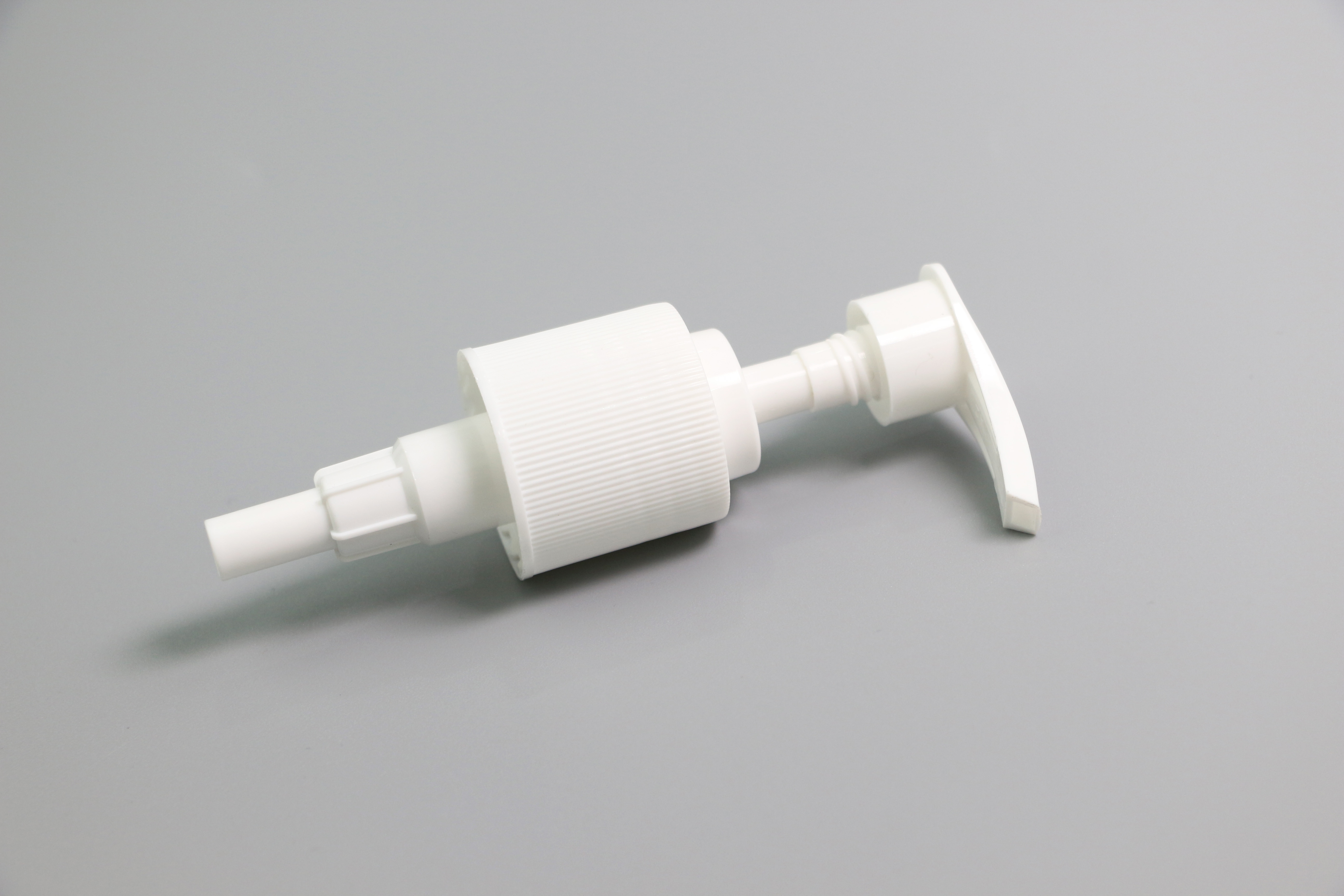
When a consumer picks up a bottle and presses the actuator, they expect a smooth, measured, and reliable dose every single time. That expectation is entirely dependent on what happens inside the lotion pump mechanism. While the outer appearance of a pump may seem straightforward, the internal engineering — particularly the spring and valve assembly — is what separates a high-performing dispenser from one that frustrates users and damages brand reputation.
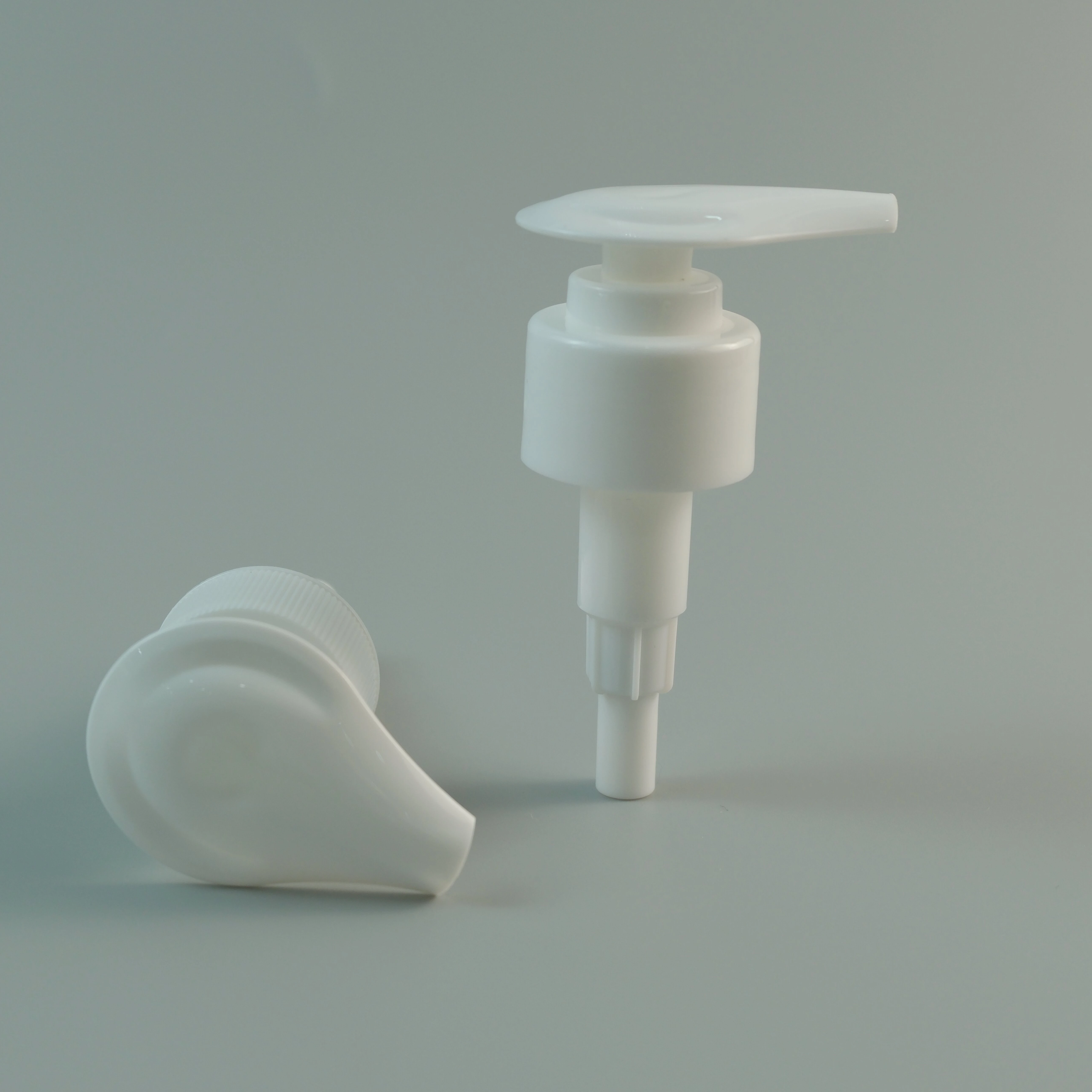
In the personal care, cosmetics, and pharmaceutical packaging industries, performance consistency is not a luxury — it is a baseline requirement. A lotion pump that delivers inconsistent doses, drips after use, or loses prime after sitting idle creates real problems for both the end user and the brand. Understanding why spring and valve design sit at the heart of these performance outcomes is essential for anyone involved in packaging selection, product development, or quality assurance.
The Mechanical Role of the Spring in a Lotion Pump
How the Spring Controls Stroke and Return Force
The spring inside a lotion pump is responsible for two critical actions: resisting the downward press of the actuator and returning it to the resting position after each stroke. These two functions directly determine how the pump feels to the user and how reliably it delivers product. A spring with insufficient tension will feel loose and may not fully reset, leaving the pump in a partially open state that invites leakage and inconsistent dosing.
Conversely, a spring that is too stiff creates excessive resistance, making the lotion pump difficult to operate — particularly for elderly users or those with limited hand strength. The calibration of spring tension must be matched precisely to the viscosity of the product being dispensed. A lightweight serum requires a different spring profile than a thick body cream, and getting this balance right is a core engineering challenge in lotion pump design.
Spring fatigue is another factor that affects long-term performance consistency. Over hundreds or thousands of actuations, a poorly designed or low-grade spring will lose its original tension, causing the pump to underperform progressively. High-quality lotion pump manufacturers address this by selecting spring materials and geometries that maintain consistent return force throughout the expected product lifecycle.
Material Selection and Its Impact on Spring Durability
Springs in lotion pump assemblies are typically made from stainless steel or plastic, and the choice of material has significant implications for both performance and compatibility. Stainless steel springs offer excellent durability and consistent mechanical properties, but they must be carefully selected to resist corrosion when in contact with water-based or acidic formulations. A corroded spring not only loses performance but can also contaminate the product.
Plastic springs, often used in all-plastic or metal-free lotion pump designs, eliminate corrosion concerns and are increasingly preferred for products that require recyclability or compatibility with sensitive formulations. However, plastic springs must be engineered with precise wall thickness and material grade to avoid creep — the gradual deformation under sustained load — which would compromise the pump's return force over time.
The decision between spring materials is not purely technical; it also intersects with regulatory requirements, sustainability goals, and the specific chemistry of the formulation. A lotion pump intended for a natural or organic product line, for example, may require a fully plastic internal assembly to meet clean-beauty packaging standards, making plastic spring engineering even more critical.
Valve Design and Its Effect on Dose Accuracy
The Inlet Valve: Controlling Product Flow from the Bottle
Every lotion pump contains at least two valves: an inlet valve at the base of the dip tube and an outlet valve near the actuator nozzle. The inlet valve opens during the upstroke to allow product to fill the pump chamber and closes during the downstroke to prevent product from flowing back into the bottle. The precision of this open-and-close cycle is what makes accurate dosing possible.
If the inlet valve does not seal completely during the downstroke, product will flow backward rather than forward through the nozzle. This results in a reduced dose, a sputtering or inconsistent spray pattern, and a pump that requires multiple presses before delivering a full dose. For a lotion pump dispensing a premium skincare product, this kind of inconsistency is commercially unacceptable.
Inlet valve design must also account for the rheological properties of the product. High-viscosity formulations like thick creams or gel-based products require valves with wider clearances and stronger seating forces to ensure complete closure. A valve geometry optimized for a thin lotion will not perform reliably with a dense body butter, which is why lotion pump selection must always be matched to the specific product being packaged.
The Outlet Valve: Preventing Drip and Maintaining Prime
The outlet valve is equally important for performance consistency, particularly in preventing post-dispense drip. After the actuator is released and the spring returns the pump to its resting position, the outlet valve must close completely to prevent residual product from continuing to flow out of the nozzle. A valve that does not seal tightly will cause the lotion pump to drip, leaving product on the bottle neck, the user's hand, or the surrounding surface.
Drip is not just a cosmetic inconvenience — it represents product waste, creates a negative user experience, and can cause secondary issues like mold growth or label damage on the bottle. For brands that position their products as premium or clinical, a dripping lotion pump is a direct contradiction of the quality message they are trying to communicate.
Maintaining prime — the ability of the pump to deliver a full dose on the first press after a period of inactivity — is another function governed by the outlet valve. A well-designed valve retains a small amount of product in the pump chamber between uses, ensuring that the next actuation delivers immediately without requiring several 'priming' presses. This is especially important for products used intermittently, such as hand lotions kept on a desk or nightstand.
How Spring and Valve Interaction Determines Overall Pump Consistency
The Synchronized Cycle of Compression and Release
The spring and valves in a lotion pump do not operate independently — they function as a synchronized system. During the downstroke, the spring compresses while the inlet valve closes and the outlet valve opens, forcing product through the nozzle. During the upstroke, the spring extends while the outlet valve closes and the inlet valve opens, drawing fresh product into the chamber. Any misalignment in the timing or force balance of these components disrupts the entire dispensing cycle.
This synchronization is why lotion pump manufacturers invest heavily in tolerance control during production. Even small dimensional variations in the spring coil diameter, the valve ball size, or the valve seat geometry can shift the timing of valve opening and closing, leading to dose variation, air ingestion, or incomplete chamber filling. Consistent performance across thousands of units requires tight manufacturing tolerances and rigorous quality control at every stage of assembly.
For brands sourcing lotion pump components at scale, understanding this interdependency is critical when evaluating supplier quality. A pump that performs well in initial samples may show performance drift in production batches if the supplier does not maintain consistent component specifications. Requesting detailed component drawings and tolerance data is a reasonable and necessary step in supplier qualification.
Viscosity Matching and System Calibration
One of the most common causes of lotion pump performance inconsistency in the field is a mismatch between the pump's internal calibration and the viscosity of the product it is dispensing. A lotion pump designed for a medium-viscosity lotion will struggle with a very thin serum — the inlet valve may not close fast enough, allowing product to flow back and reducing the dose. The same pump used with a very thick cream may not draw product efficiently, leading to air pockets and inconsistent output.
Proper viscosity matching requires collaboration between the formulation team and the packaging engineer. The spring tension, valve clearance, dip tube diameter, and chamber volume must all be considered together as a system. When these parameters are aligned with the product's flow characteristics, the lotion pump delivers consistent doses reliably across the full range of use conditions — from a freshly filled bottle to one that is nearly empty.
Temperature also plays a role in this calibration. Many formulations change viscosity significantly between cold storage and room temperature. A lotion pump that performs consistently at 20°C may behave differently when the product has been stored in a cold warehouse or left in a warm bathroom. Robust spring and valve design accounts for this variability by maintaining adequate sealing force and return energy across a realistic temperature range.
Practical Implications for Packaging Decisions
Evaluating Lotion Pump Quality During Supplier Selection
When evaluating a lotion pump supplier, the spring and valve assembly should be a primary focus of technical review. Requesting cross-sectional drawings, material specifications, and actuation cycle test data gives buyers the information needed to assess whether a pump's internal design is suited to their product and use case. Visual inspection of the outer housing tells very little about the engineering quality inside.
Functional testing with the actual product formulation is essential before committing to a lotion pump specification. This testing should include dose weight consistency across a statistically meaningful number of actuations, drip performance after release, priming speed after a defined idle period, and performance at the beginning and end of the bottle's fill volume. These tests reveal how the spring and valve system performs under real conditions rather than ideal laboratory settings.
Long-term stability testing is equally important. A lotion pump that performs well at the time of filling may behave differently after six months on a retail shelf, particularly if the formulation has any interaction with the spring or valve materials. Compatibility testing between the pump's internal components and the product chemistry should be part of every packaging validation protocol.
Design Customization for Specific Product Requirements
Many lotion pump manufacturers offer customization options for spring tension, valve geometry, and output volume to accommodate specific product requirements. For brands with unique formulations or specialized dispensing needs, working with a supplier who can adjust these internal parameters is far more effective than trying to adapt a standard pump to an incompatible product.
Custom output volumes — achieved by modifying the chamber size and stroke length — allow brands to control the dose delivered per actuation precisely. This is particularly relevant for products where dosage accuracy has a direct impact on efficacy, such as medicated lotions, sunscreens with specific SPF-per-dose requirements, or concentrated serums where over-application is wasteful and under-application reduces effectiveness.
The lotion pump's neck finish and closure compatibility must also be considered alongside the internal spring and valve design. A pump with excellent internal engineering but a poor fit to the bottle neck will leak or allow air ingress, undermining all the performance benefits of the internal design. Holistic evaluation of the entire pump-bottle system is the only way to ensure reliable performance in the final packaged product.
FAQ
Why does my lotion pump lose prime after sitting unused for a few days?
Loss of prime in a lotion pump is typically caused by the outlet valve failing to maintain a complete seal when the pump is at rest. This allows the product retained in the pump chamber to slowly drain back into the bottle, leaving an air gap that must be displaced before product can flow again. Improving valve seat geometry and ensuring adequate spring return force are the primary engineering solutions to this issue.
How does spring tension affect the dose volume of a lotion pump?
Spring tension affects dose volume indirectly by controlling the completeness of the upstroke. If the spring does not return the actuator fully to its resting position, the chamber does not fill completely, resulting in a smaller-than-intended dose on the next press. Consistent spring tension across the product's lifecycle is therefore essential for maintaining accurate and repeatable dose delivery from a lotion pump.
Can the same lotion pump design work for both thin serums and thick creams?
Generally, a single lotion pump design is not optimally suited for both very thin and very thick formulations. The valve clearances, spring tension, and dip tube diameter that work well for a thin serum are typically not appropriate for a dense cream, and vice versa. Brands that offer products across a wide viscosity range should work with their packaging supplier to select or customize a lotion pump specification matched to each formulation's specific flow characteristics.
What is the most common cause of dripping in a lotion pump after dispensing?
Post-dispense dripping is most commonly caused by an outlet valve that does not close completely after the actuator is released. This can result from a worn or imprecisely manufactured valve seat, insufficient spring return force to drive the valve closed, or a formulation that is thin enough to continue flowing through a partially open valve under gravity. Addressing drip requires evaluating both the valve design and the spring calibration in the context of the specific product being dispensed.