
 EN
EN



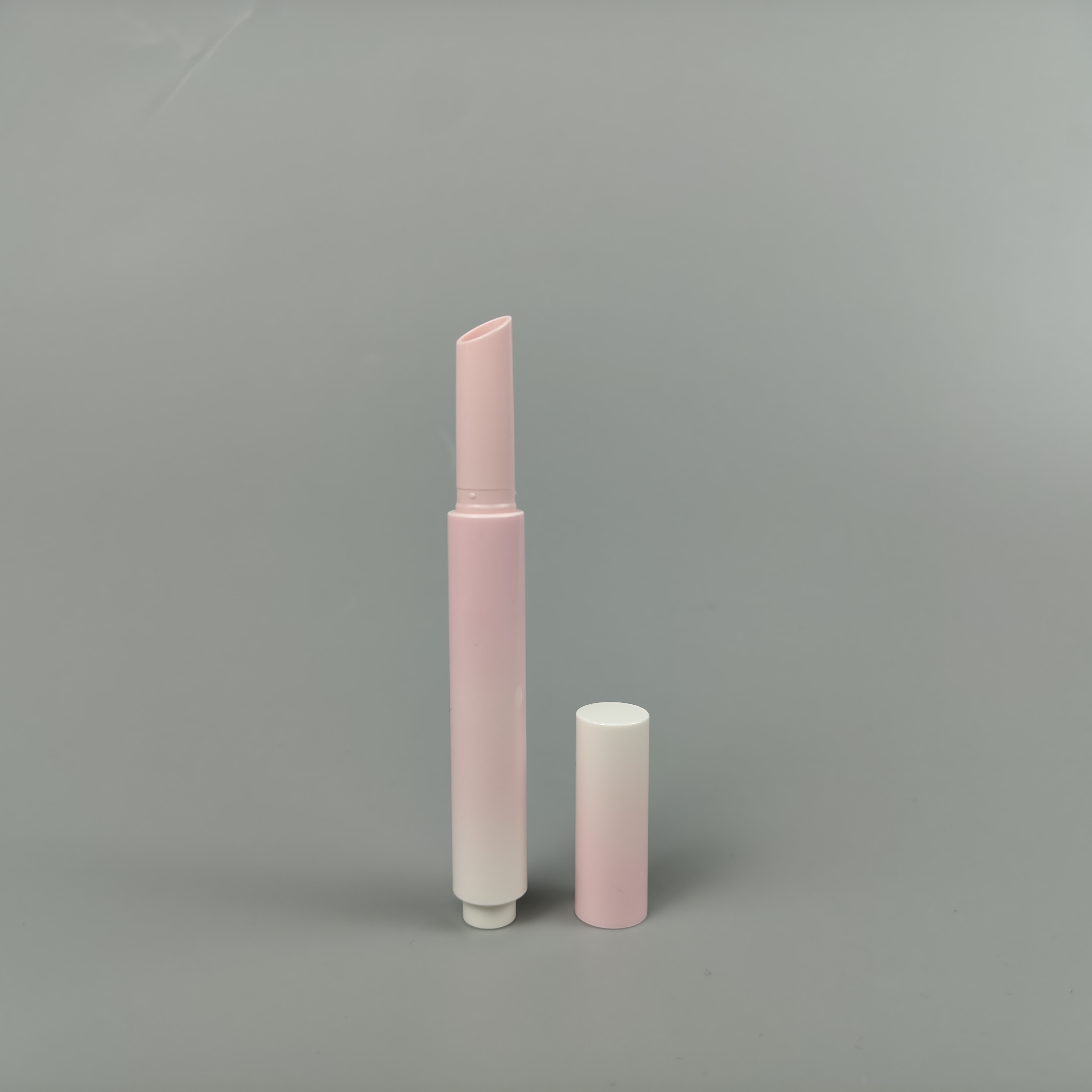
The cosmetic industry is evolving rapidly, and the lipstick tube has become far more than a simple container—it is now a critical component of brand identity and consumer experience. Modern lipstick tube design reflects shifting consumer preferences, sustainability demands, and the need for brands to stand out in an increasingly crowded marketplace. Understanding how lipstick tube innovation responds to contemporary packaging trends is essential for beauty companies seeking to maintain competitive advantage and build meaningful connections with today's conscious consumers.
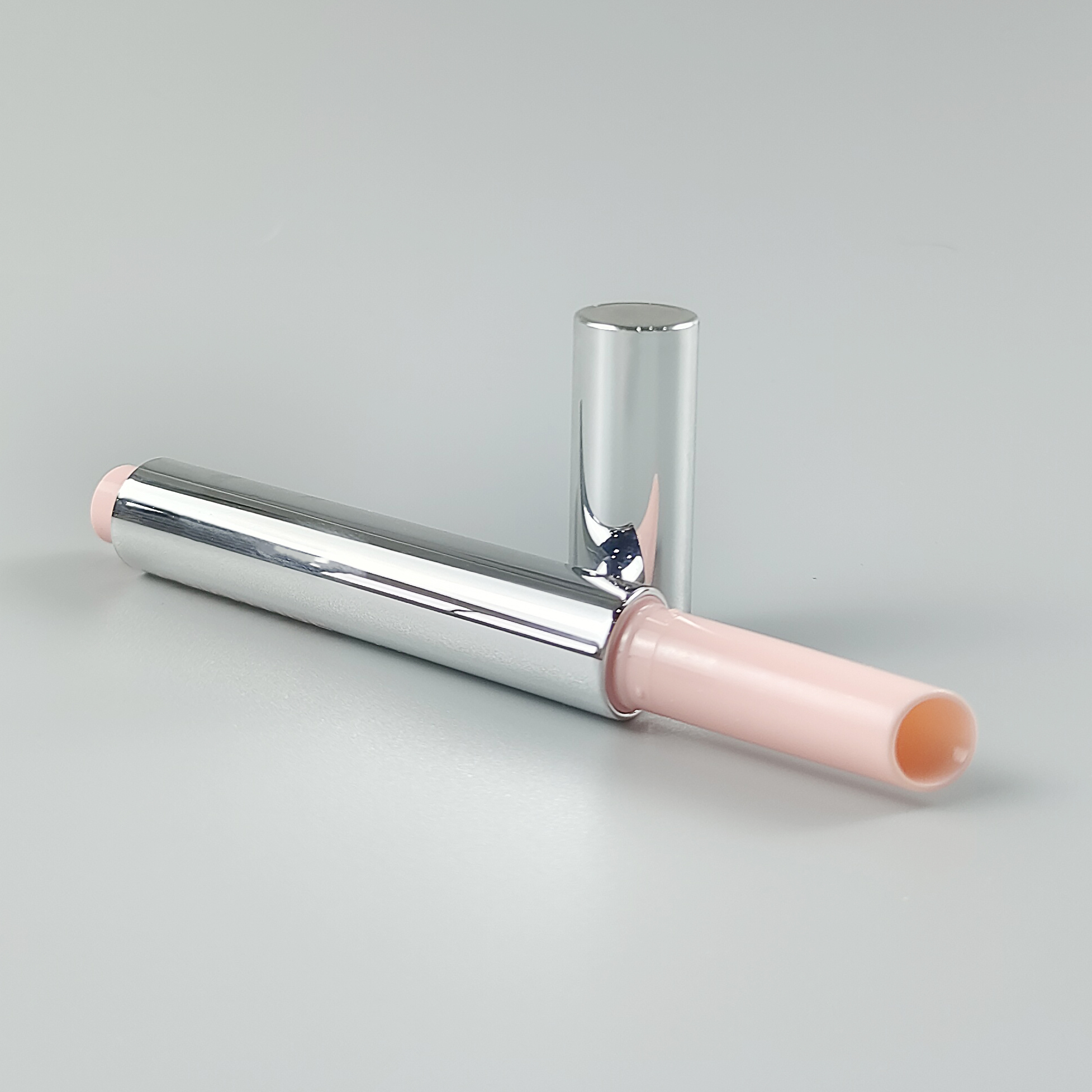
The lipstick tube has undergone significant transformation over the past decade, driven by digital marketing, social media influence, and heightened environmental awareness. Today's consumers photograph and share their purchases online, making the visual appeal of a lipstick tube essential to brand success. Simultaneously, regulatory pressures and consumer activism demand that beauty brands reconsider their packaging materials, production methods, and overall environmental footprint. A lipstick tube now serves as a silent ambassador for brand values, sustainability commitment, and product quality.
Material Innovation in Lipstick Tube Design
Sustainable and Eco-Friendly Materials
Sustainability has become a defining force in lipstick tube manufacturing. Brands are increasingly replacing traditional plastic and aluminum with recyclable, biodegradable, and plant-based alternatives. The modern lipstick tube is being reimagined using recycled aluminum, paper-based composites, and biodegradable polymers that reduce environmental impact without compromising durability or aesthetics. This shift reflects consumer demand for responsible beauty products and regulatory compliance across major markets including the European Union and North America.
The lipstick tube's material composition directly influences production costs, shelf stability, and brand perception. Brands choosing sustainable lipstick tube materials often command premium pricing and attract environmentally conscious consumers. However, balancing sustainability with performance requirements remains challenging; a lipstick tube must still protect color integrity, prevent oxidation, and maintain structural integrity through multiple uses. Advanced material science has made this balance increasingly achievable, enabling brands to market their lipstick tube solutions as both premium and responsible.
Advanced Polymer and Composite Technologies
The lipstick tube sector is rapidly adopting advanced polymer blends and composite materials that offer superior performance characteristics. Innovations in biopolymer technology allow manufacturers to create lipstick tube structures that are lighter, stronger, and more visually striking than traditional options. These materials enable brands to push creative boundaries—from iridescent finishes to textured surfaces—while maintaining functional performance standards that modern consumers expect from their lipstick tube purchases.
Composite materials also allow the lipstick tube to incorporate smart features such as temperature-sensitive color indicators or moisture-control mechanisms. As the lipstick tube becomes a vehicle for functional innovation, brands can differentiate themselves through features that extend beyond basic containment. This technological advancement in lipstick tube design aligns with the broader beauty industry trend toward multifunctional, intelligent packaging solutions.
Visual Design and Brand Expression
Minimalism and Bold Aesthetics
Contemporary lipstick tube design oscillates between two dominant visual philosophies: minimalism and maximalism. Luxury brands often embrace minimalist lipstick tube designs that convey sophistication through clean lines, monochromatic color schemes, and understated branding. This lipstick tube aesthetic appeals to consumers seeking timeless elegance and signals brand confidence through restraint. Conversely, mass-market and emerging brands leverage bold, saturated colors and complex graphic elements on their lipstick tube packaging to capture attention and communicate playfulness, inclusivity, or cultural relevance.
The lipstick tube's visual treatment directly influences shelf performance and social media engagement. Packaging designers now conduct extensive research to ensure that a lipstick tube's appearance translates effectively across digital platforms, retail shelves, and influencer photography. The lipstick tube must photograph well under varied lighting conditions and maintain visual impact when displayed alongside competing products. This requirement has driven innovation in matte and glossy finishes, embossed textures, and metallized surfaces that enhance the sensory and visual appeal of each lipstick tube.
Personalization and Limited Editions
Personalization has become a cornerstone of modern lipstick tube strategy. Brands now offer customizable lipstick tube options that allow consumers to add initials, select from color variants, or receive limited-edition versions tied to specific campaigns or collaborations. This lipstick tube personalization strategy drives consumer engagement, justifies premium pricing, and creates shareable moments for social media marketing. Limited-edition lipstick tube releases generate urgency and collectibility, transforming functional packaging into desirable objects worthy of display.
The lipstick tube's role in brand storytelling has expanded significantly. Rather than serving as passive containers, specialized lipstick tube designs now communicate brand narratives, cultural moments, and values-based messages. From sustainable packaging initiatives to inclusive shade ranges reflected in lipstick tube color coding, each design element of a lipstick tube carries strategic meaning. This evolution reflects how deeply packaging—particularly the lipstick tube—has integrated into brand identity and consumer culture.
Functional Design Adaptations
Ergonomics and User Experience
The lipstick tube's functional design directly impacts user satisfaction and repeat purchase behavior. Modern lipstick tube ergonomics prioritize ease of application, comfortable grip, and intuitive operation. Designers now incorporate textured surfaces, contoured shapes, and lightweight materials into the lipstick tube structure to enhance usability. A well-designed lipstick tube reduces application fatigue, minimizes product waste, and communicates quality through tactile feedback that influences consumer perception during purchase and use.
Accessibility considerations have also transformed lipstick tube design. Brands increasingly recognize that the lipstick tube must accommodate users with varying levels of dexterity, strength, and vision. Larger diameter options, softer materials, and high-contrast labeling on the lipstick tube serve diverse consumer needs while expanding addressable market size. This inclusive approach to lipstick tube design reflects broader industry movement toward accessible beauty products and serves as a competitive differentiator in an evolving marketplace.
Refillable and Modular Systems
Refillable lipstick tube systems represent a significant departure from traditional single-use packaging models. Brands are increasingly offering lipstick tube solutions that allow consumers to replace product cores while retaining the outer housing. This lipstick tube innovation reduces waste, encourages consumer loyalty, and creates recurring revenue opportunities. Modular lipstick tube designs enable consumers to mix and match components, customize their tools, and engage in the customization process that modern beauty consumers increasingly demand.
The lipstick tube's evolution toward circular economy models reflects broader sustainability imperatives within cosmetics. Refillable systems reduce packaging waste by up to seventy percent compared to traditional single-use lipstick tube options. As consumers become more environmentally conscious and regulatory pressure increases, the lipstick tube market is rapidly shifting toward reusable, modular architectures that balance environmental responsibility with aesthetic appeal and functional performance.
FAQ
How does lipstick tube material choice affect product preservation and shelf life?
The lipstick tube material directly influences how effectively it protects the product from oxidation, light exposure, and temperature fluctuations. Aluminum and opaque plastic lipstick tube options provide superior UV protection compared to transparent materials, preserving color integrity and preventing formulation degradation. Advanced barrier coatings applied to the lipstick tube interior further extend shelf life and maintain product consistency throughout the consumer's ownership period. Selecting appropriate lipstick tube materials is therefore not merely an aesthetic or sustainability choice but a critical functional decision that impacts product quality and consumer satisfaction.
What role does social media play in shaping modern lipstick tube design trends?
Social media has fundamentally transformed how brands approach lipstick tube design strategy. Visual platforms like Instagram and TikTok prioritize aesthetically striking products that generate engagement and inspire consumer sharing. Brands now design their lipstick tube packaging specifically for digital photography, considering how colors, textures, and shapes perform under varied lighting conditions and through smartphone cameras. The lipstick tube that photographs well online drives organic reach, influencer adoption, and consumer desire, making social media compatibility a primary design consideration rather than an afterthought.
Are refillable lipstick tube systems economically viable for mid-market beauty brands?
Refillable lipstick tube systems are increasingly viable for mid-market brands, particularly when considering long-term customer lifetime value and brand loyalty benefits. While initial tooling costs for modular lipstick tube designs may exceed traditional single-use options, recurring revenue from refills and reduced packaging waste create compelling financial returns. Many mid-market brands discover that consumers willingly pay premium prices for refillable lipstick tube solutions, perceiving them as higher quality and more environmentally responsible. As manufacturing processes for modular lipstick tube systems mature and scale, adoption barriers continue to diminish, making refillable options accessible to brands across multiple price segments.