 ×
×

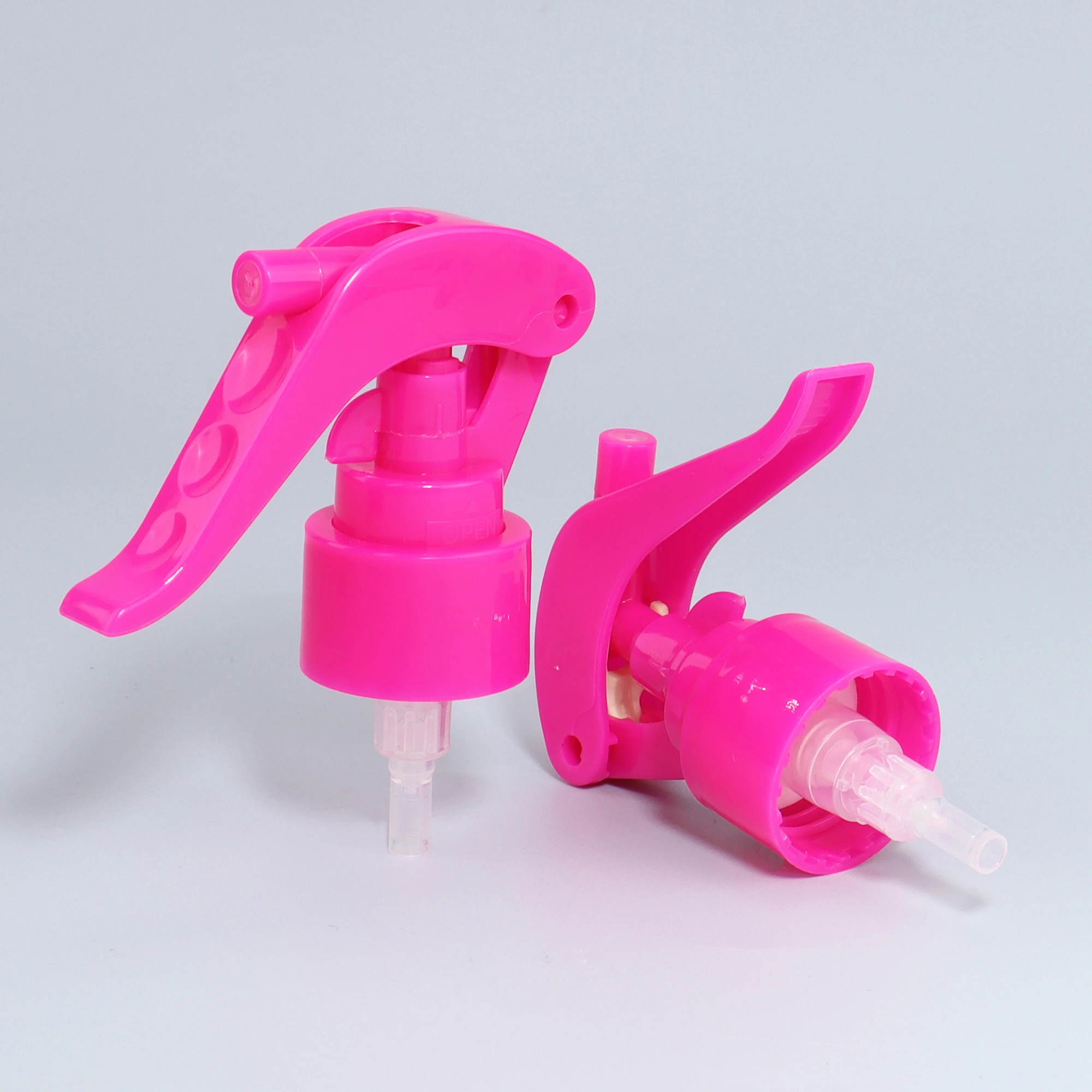
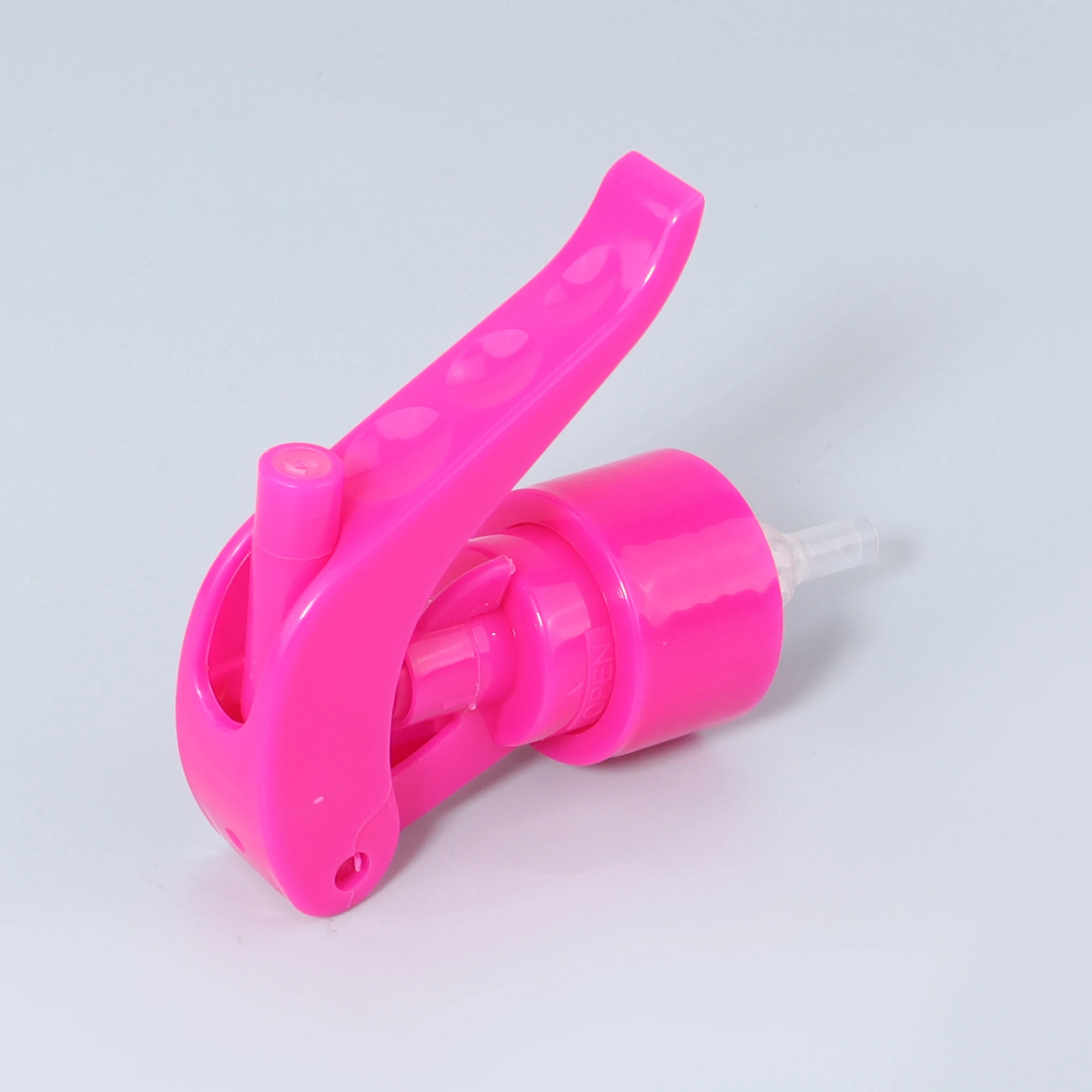
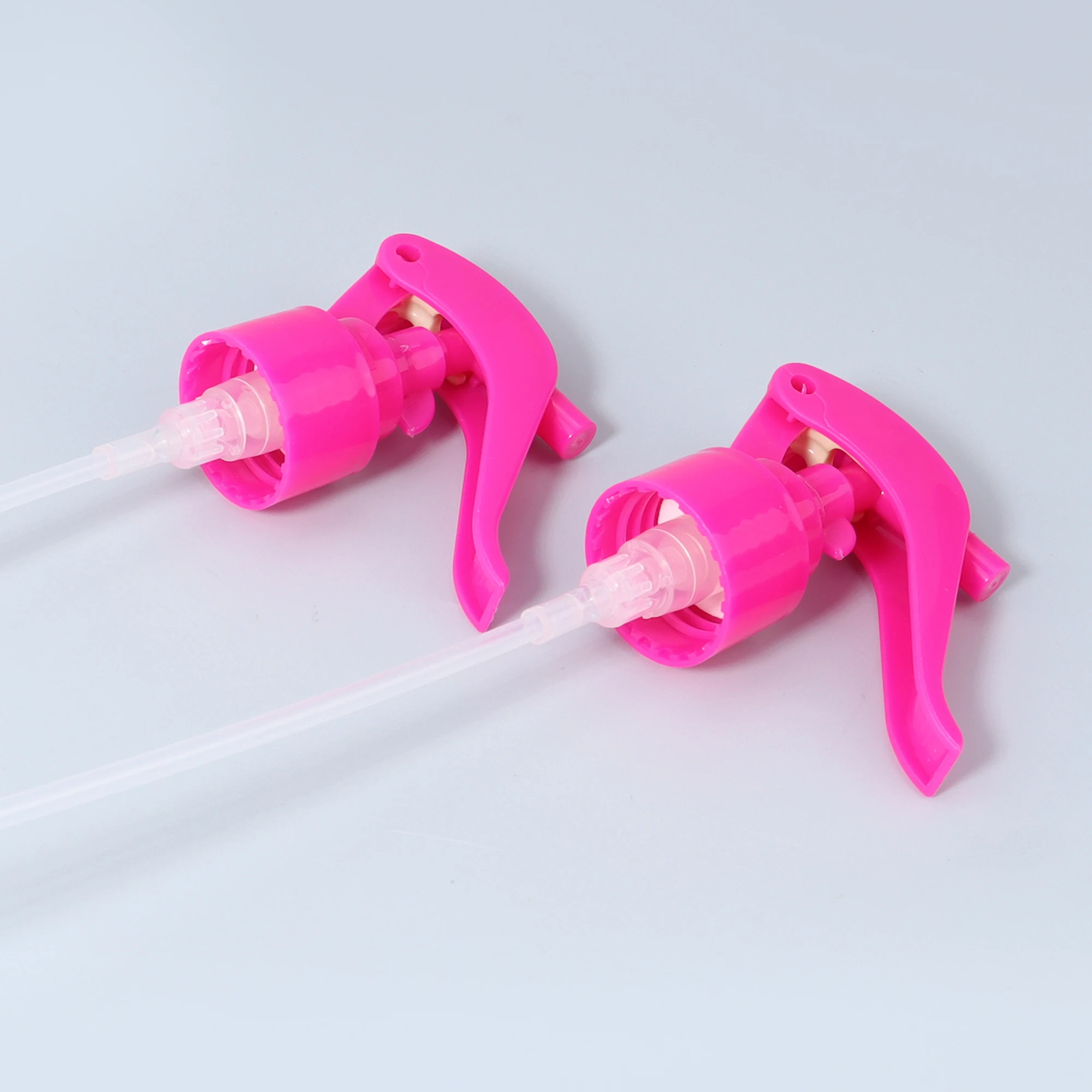
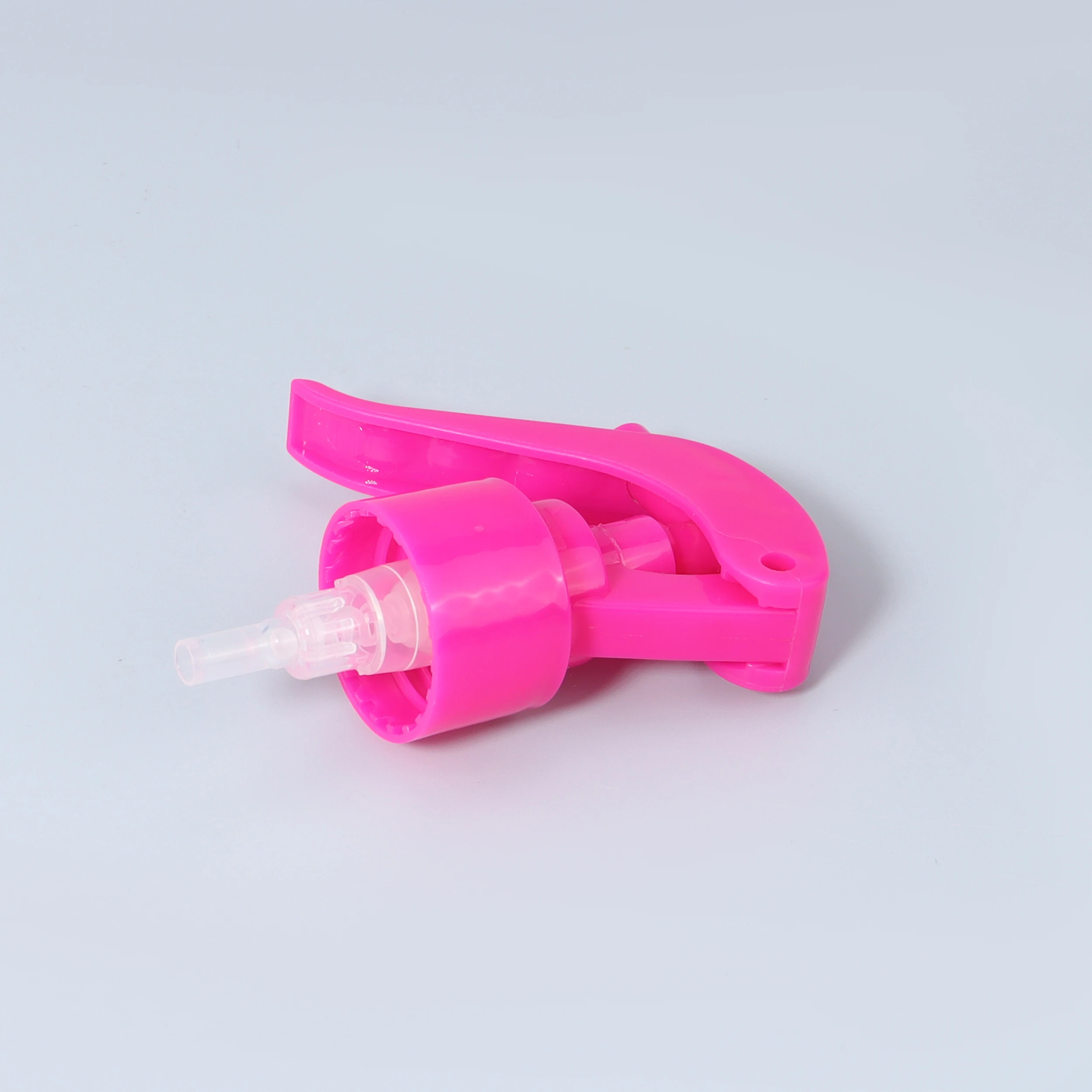
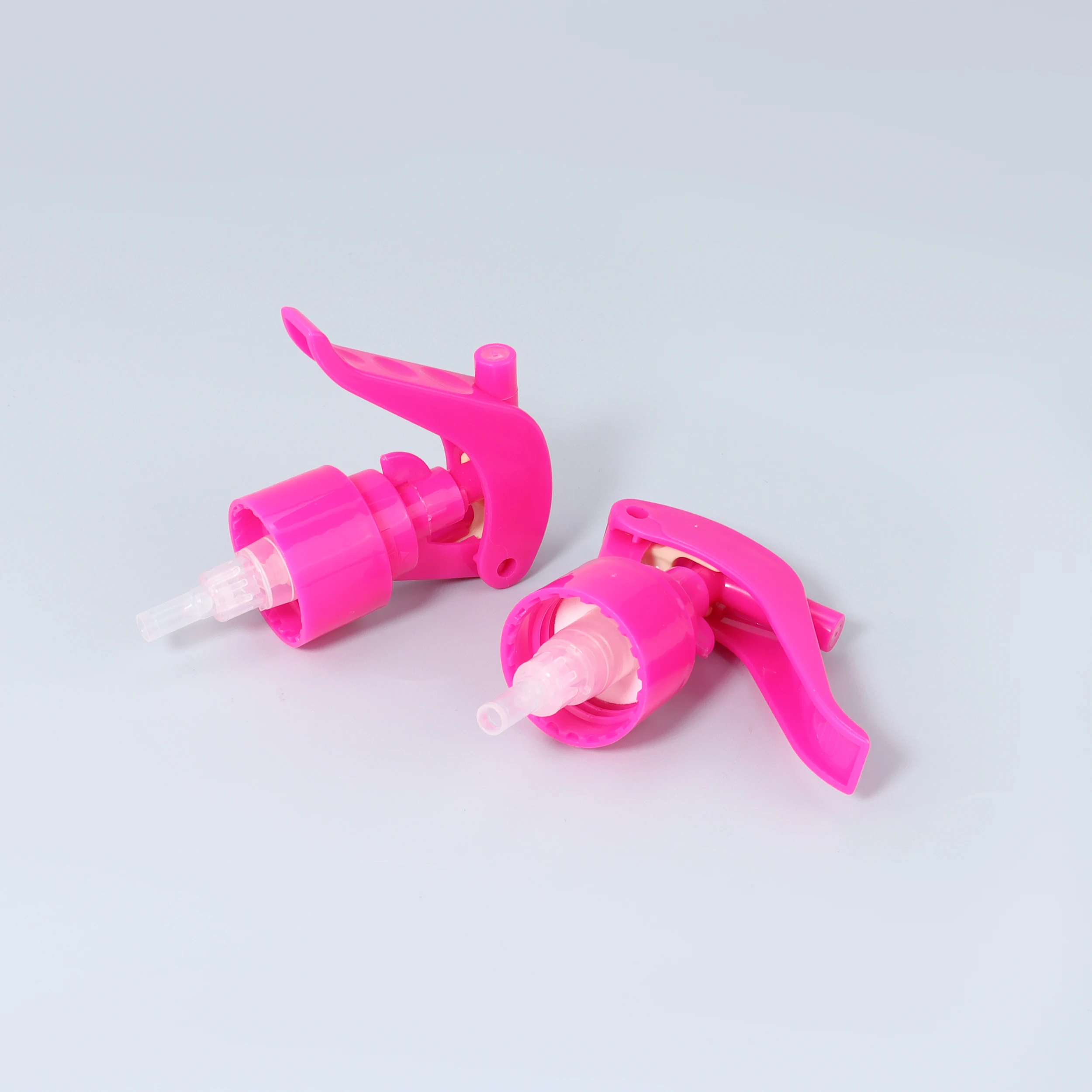
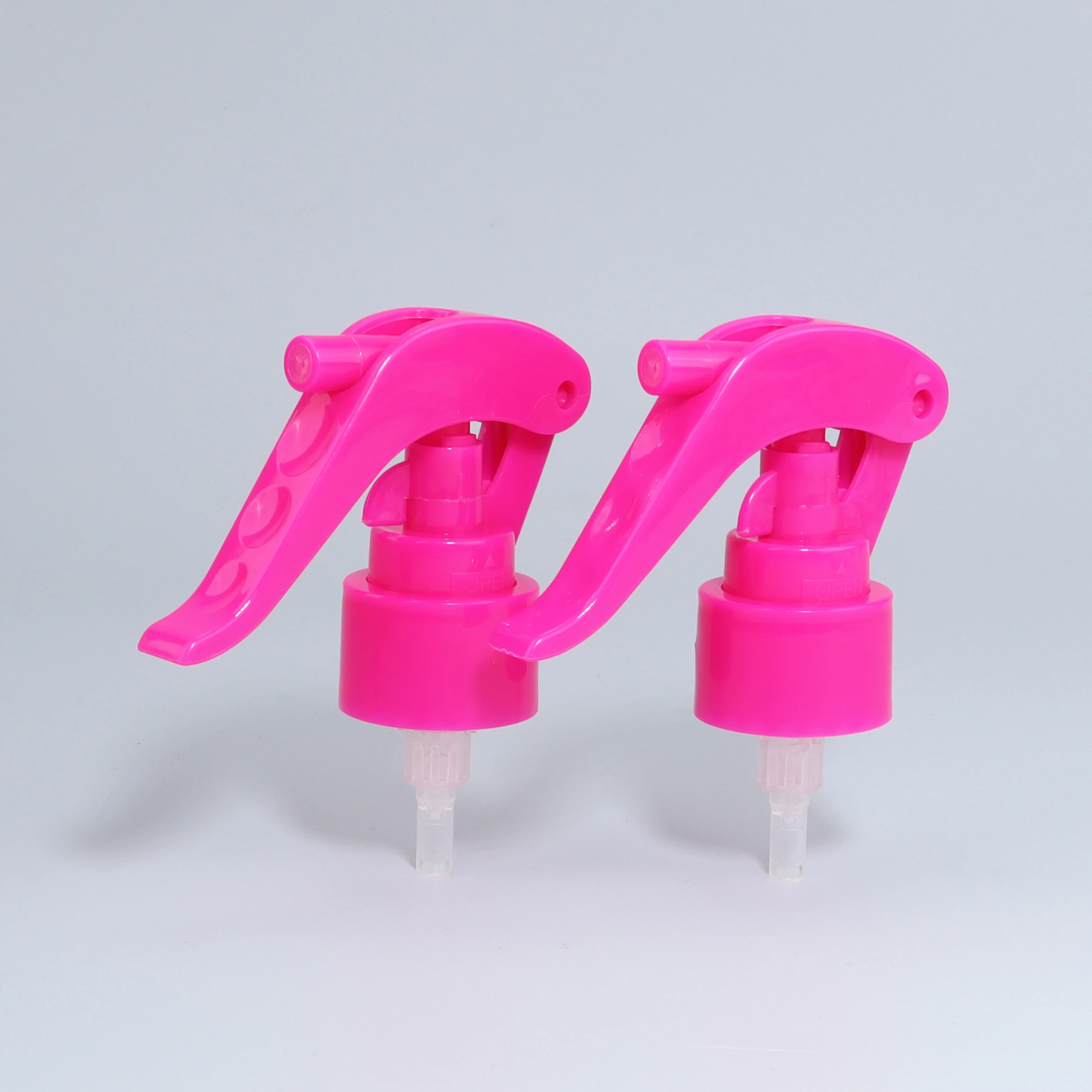
This listed trigger sprayer is a plastic trigger sprayer presented for cosmetics packaging and other liquid-dispensing uses described in the original product material. It combines a hand-operated trigger format with a screw closure in the listed 24/410 and 28/410 neck-finish options. For brand owners and packaging developers, the useful starting point is not which sprayer looks best, but whether the bottle neck, formula, and intended dispensing experience are compatible.
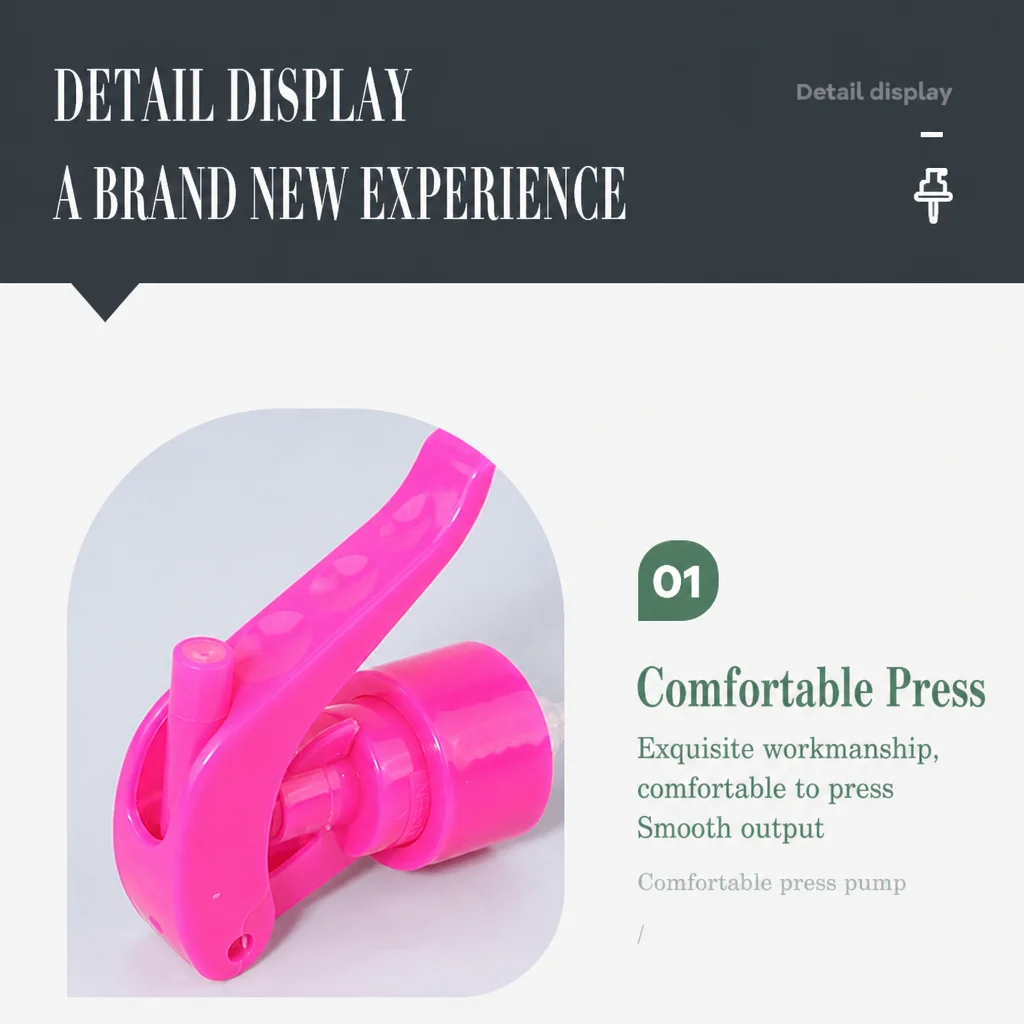
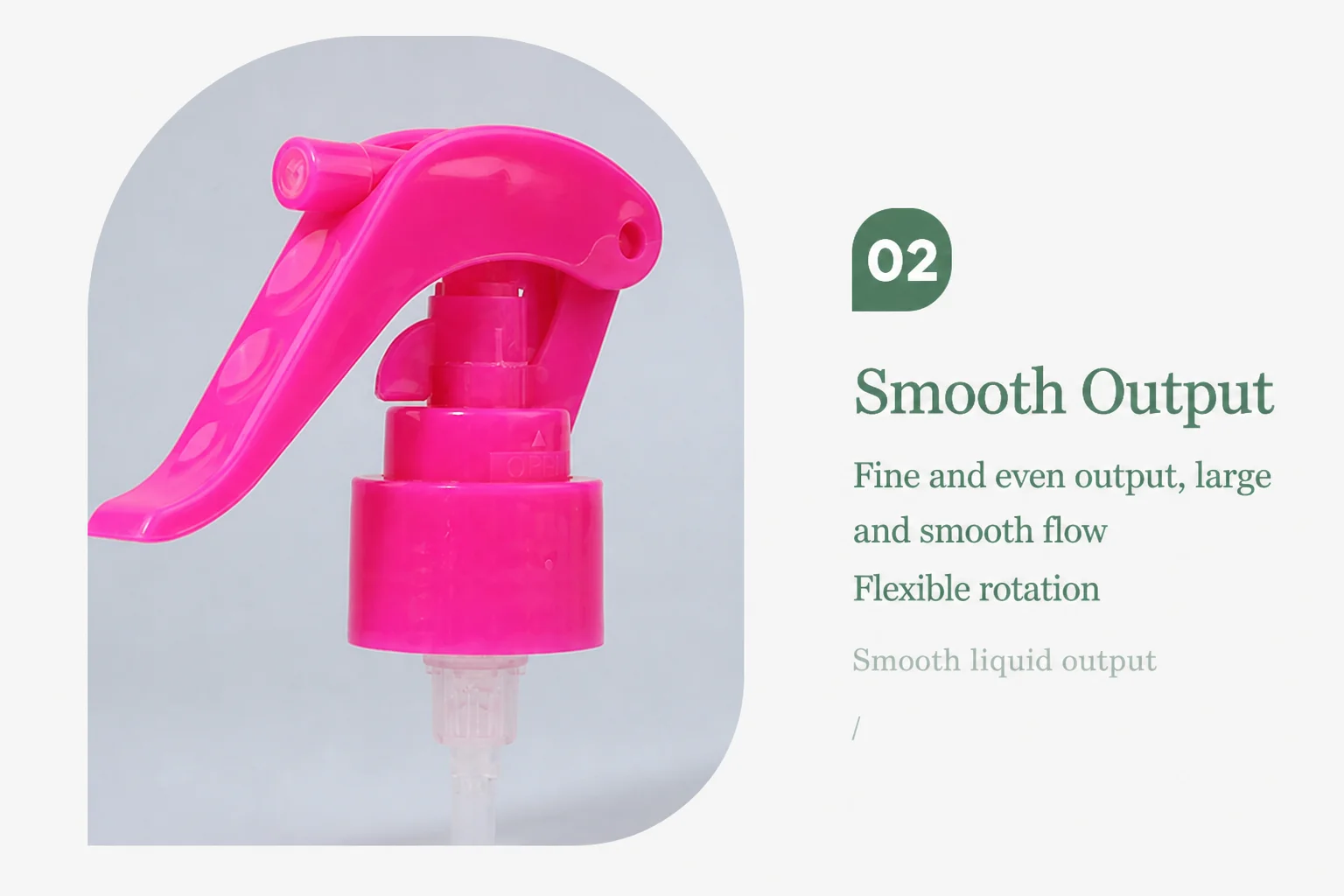
The original description identifies polypropylene plastic, a comfortable trigger handle, a fine mist spray pattern, and a secure screw closure. Those are the product facts this page keeps at the center. No output volume, dip-tube length, chemical compatibility range, certification, or performance number is stated here because the provided material does not verify those details.
Keep sample records, bottle drawings, assembly observations, and project-specific test results together so packaging teams can compare options, document decisions, and plan production confidently.
This Wholesale Custom 24/410 28/410 Mini Plastic Non-Spill Water Mist Hand Pump Foam Trigger Sprayer for Cosmetics is intended as a compact hand pump and trigger-sprayer component for packaging projects. The title names 24/410 and 28/410 options; confirm the actual bottle finish with a physical sample before production. A nominal neck size is a good starting point, actually, but thread pitch, neck depth, gasket contact, and closure engagement are also relevant to fitment.
| Item | Provided information |
|---|---|
| Product type | Mini plastic non-spill water mist hand pump foam trigger sprayer |
| Neck-finish options | 24/410 and 28/410 as listed in the product title |
| Material | PP / polypropylene plastic as stated in the original description |
| Dispensing description | Fine mist spray described by the source material |
| Closure | Screw closure described as secure and leak-resistant |
For Wholesale Custom 24/410 28/410 Mini Plastic Non-Spill Water Mist Hand Pump Foam Trigger Sprayer for Cosmetics, smooth handling and a clean dispensing experience may matter to a cosmetic package, but they should be evaluated with the final bottle and formula rather than assumed from a catalog listing. If your formula is water-based and relatively low viscosity, the relevant checks can differ from those for oil-rich, high-viscosity, or particulate-containing products.
The original product content names home cleaning, gardening, hair styling, and professional liquid dispensing as general uses. Within cosmetics packaging, this trigger sprayer can be considered for projects where a hand-operated mist-format component and the listed neck finish are appropriate. It may also be reviewed for sampling, salon, personal-care, or surface-application packaging, subject to formula, bottle, and dispensing tests.
There is not a universally better sprayer configuration. If your priority is reliable bottle fitment, the more relevant factor to evaluate is the actual neck finish and assembled closure engagement. If your priority is the end-user feel, the more relevant evaluation is how the trigger performs with the filled bottle. Before locking in a supplier, clarify the bottle drawing, dip-tube requirement, formula behavior, and desired spray result.
Most buyers start by comparing unit price, but the real differentiator is bottle-neck compatibility because it determines whether the component works with the selected container. The original content supports the presence of 24/410 and 28/410 options; it does not establish that every bottle using those nominal labels will fit. Request samples and conduct assembly, leakage, actuation, and stability checks under your own project conditions.
This approach is especially relevant for private-label cosmetic packaging. A visually coherent trigger can contribute to the overall package experience, while a mismatch can create rework. The manufacturer description states that it produces hand button sprayers, hand pressure sprayers, liquid dispensers, plastic spray bottles, and acrylic bottles, and that logo printing may be available. Confirm customization scope, artwork requirements, lead time, and commercial terms directly before relying on them for a launch.
This listed trigger sprayer is described with a practical feature set rather than unverified technical promises. The comfortable grip, PP material, fine-mist description, secure closure, and stated multi-purpose utility give buyers a clear basis for an initial review. The useful next step is a sample-led evaluation, not an assumption about exact output, seal performance, formula resistance, or regulatory suitability.
For teams comparing packaging components, keep the conversation structured: identify the bottle finish, define the product formula, decide the required user experience, and verify the assembled package. This product can then be assessed against those real requirements. That feature-to-benefit-to-fit sequence keeps selection focused on what can be confirmed instead of on broad marketing claims.
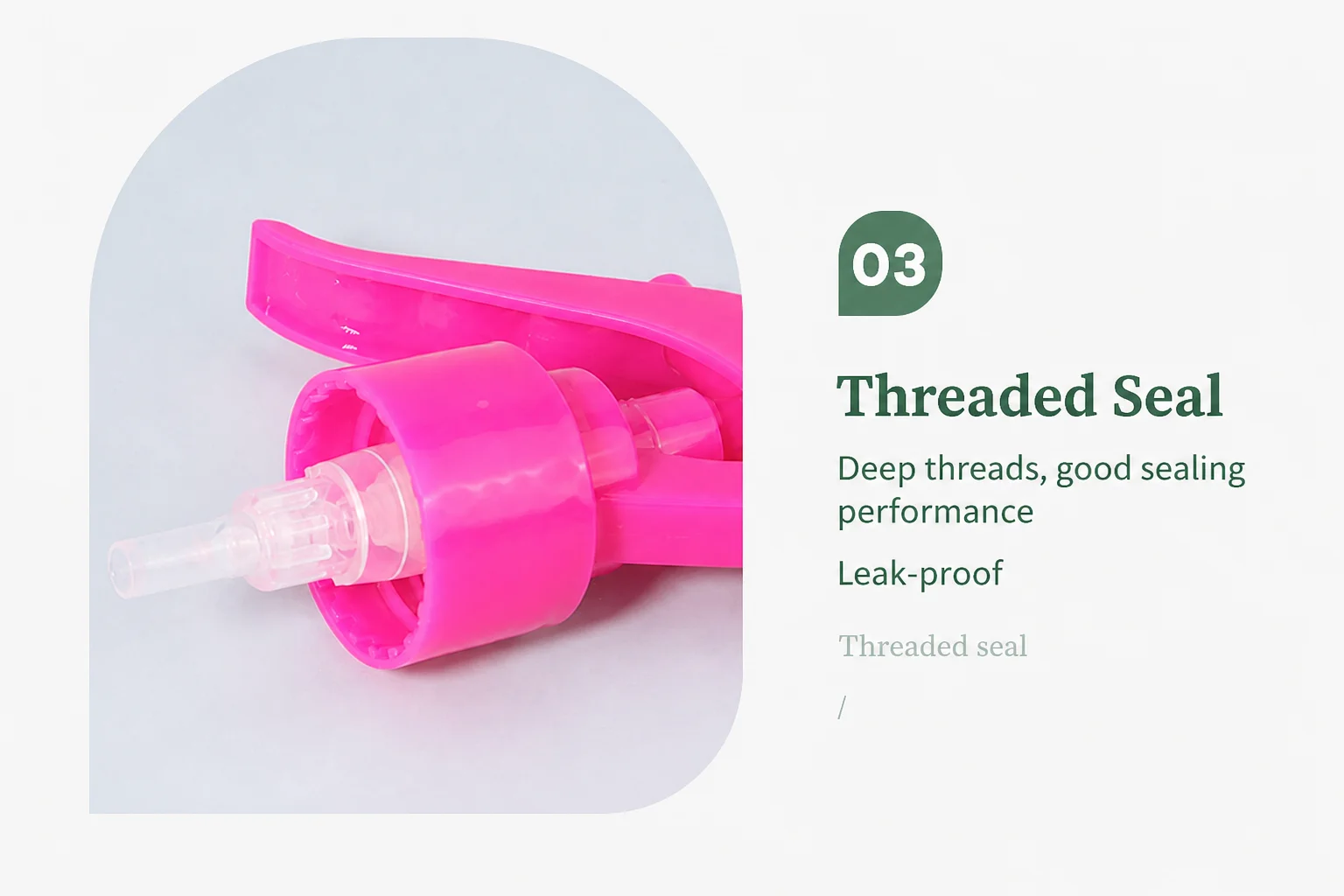
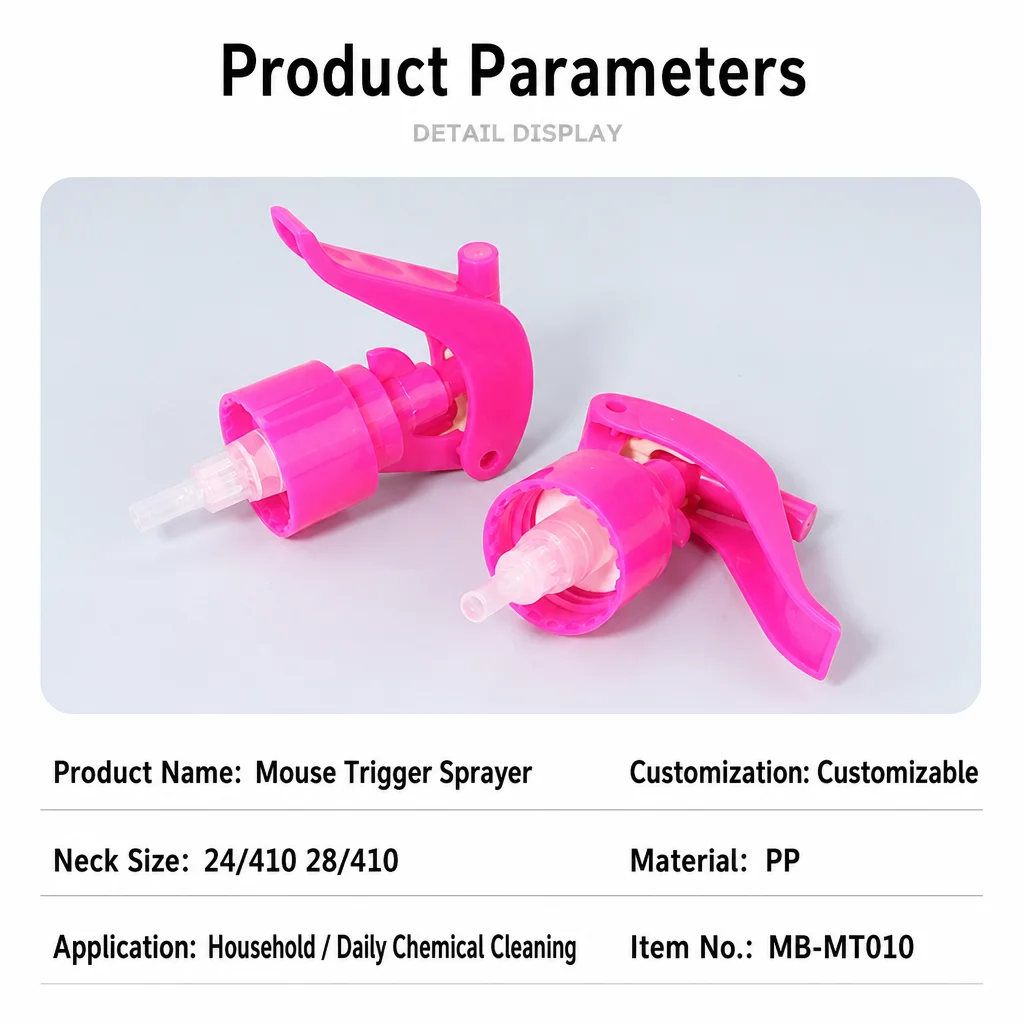





Use the provided title and product images as a starting point for inquiry. Share the target bottle, intended contents, and requested neck finish when asking for samples. Review the final assembly before mass production. Where cosmetic, cleaning, gardening, hair-styling, or professional liquid-dispensing applications are planned, complete the testing relevant to your own contents and market requirements.
In summary, this listed trigger sprayer offers a compact plastic trigger option with stated 24/410 and 28/410 choices, PP material, an ergonomic handle, a fine-mist description, and a screw closure. Its best fit depends on confirmed bottle compatibility and application-specific validation.


 EN
EN