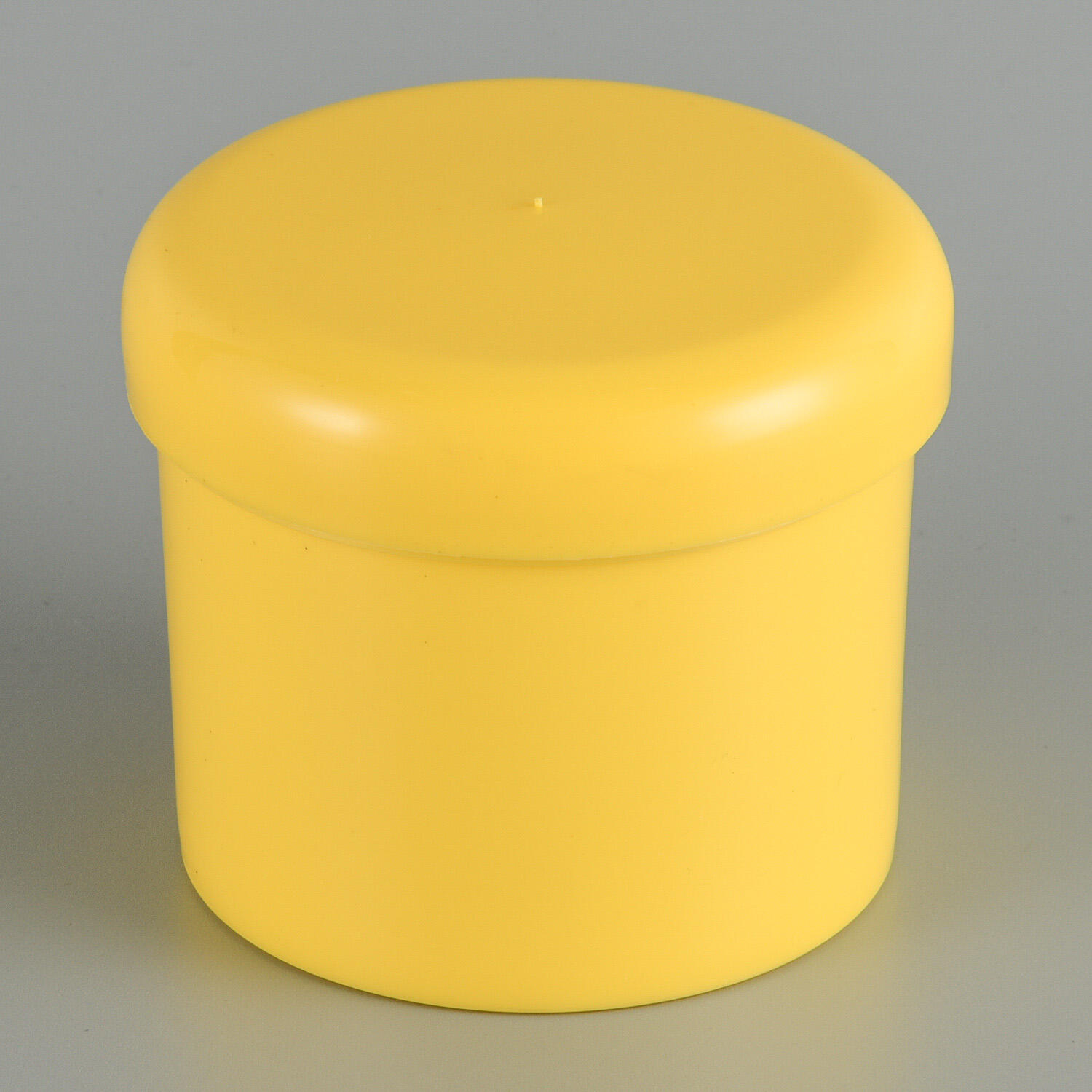
Premium Plastic Bottles and Jars - Versatile Packaging Solutions for Every Industry

Get a Free Quote

Our representative will contact you soon.
Email
Name
Company Name
Required Product
Products you're interested in
Message
0/1000

plastic bottles and jars

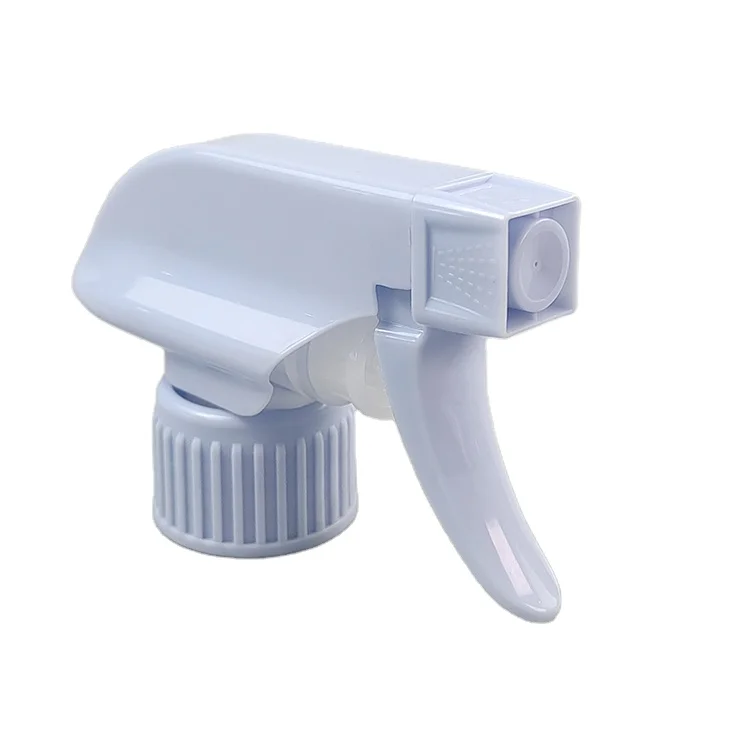
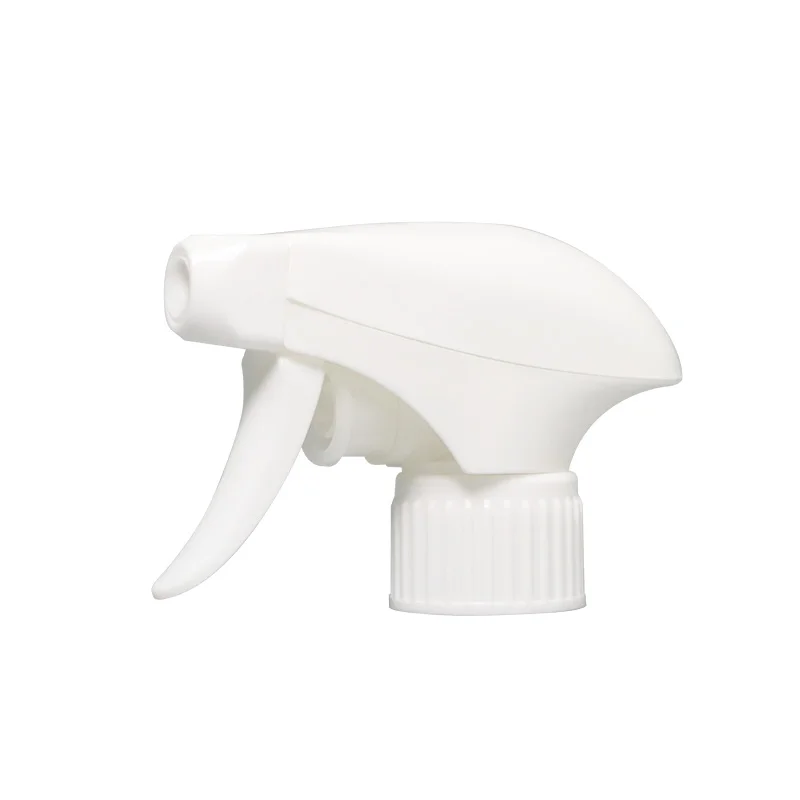
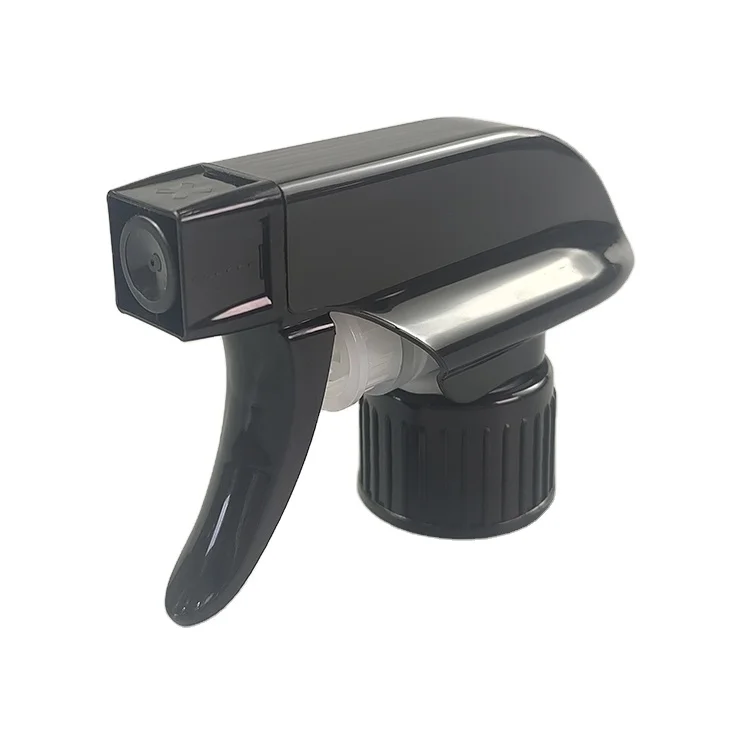
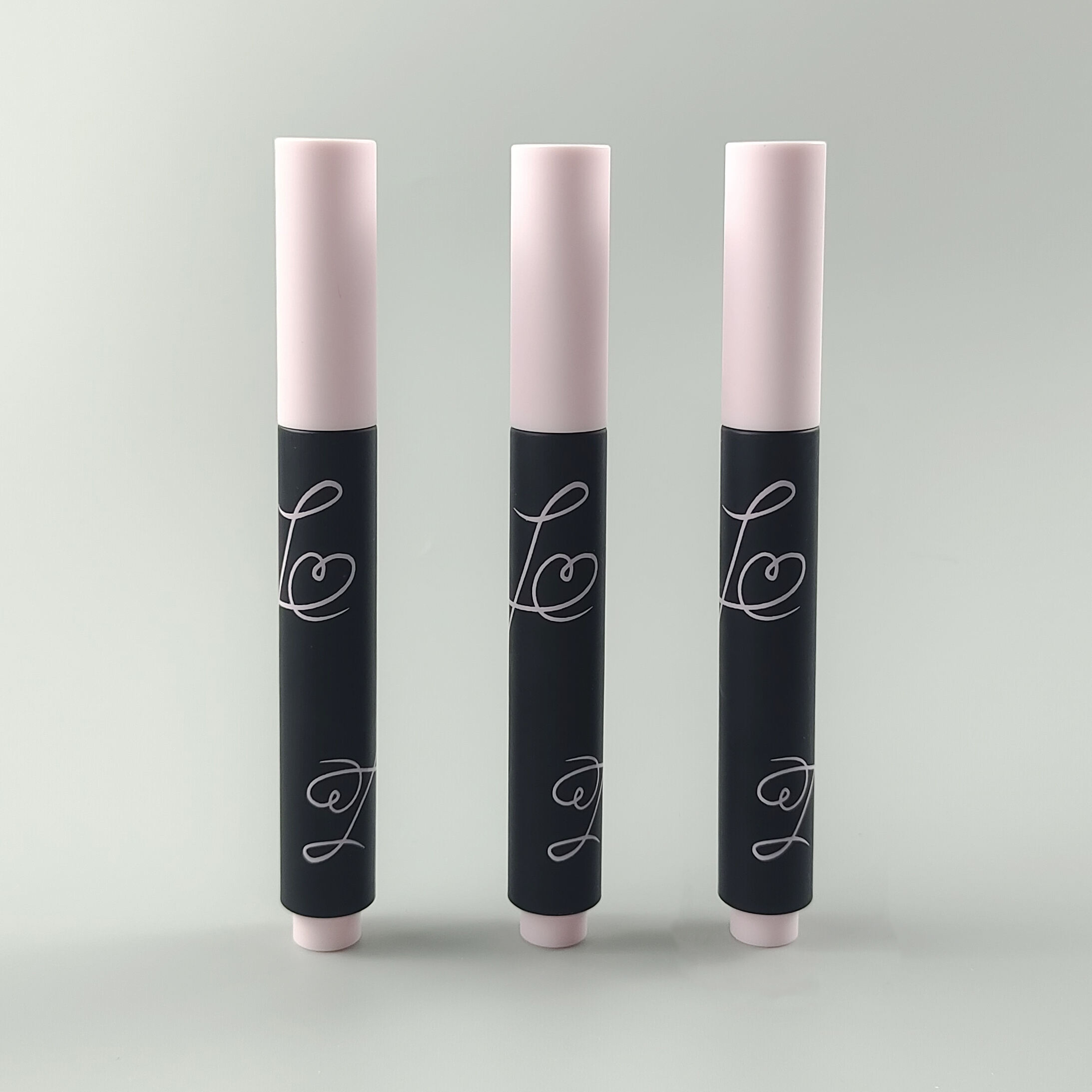
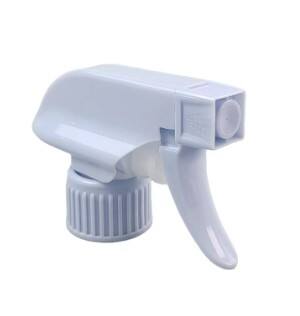
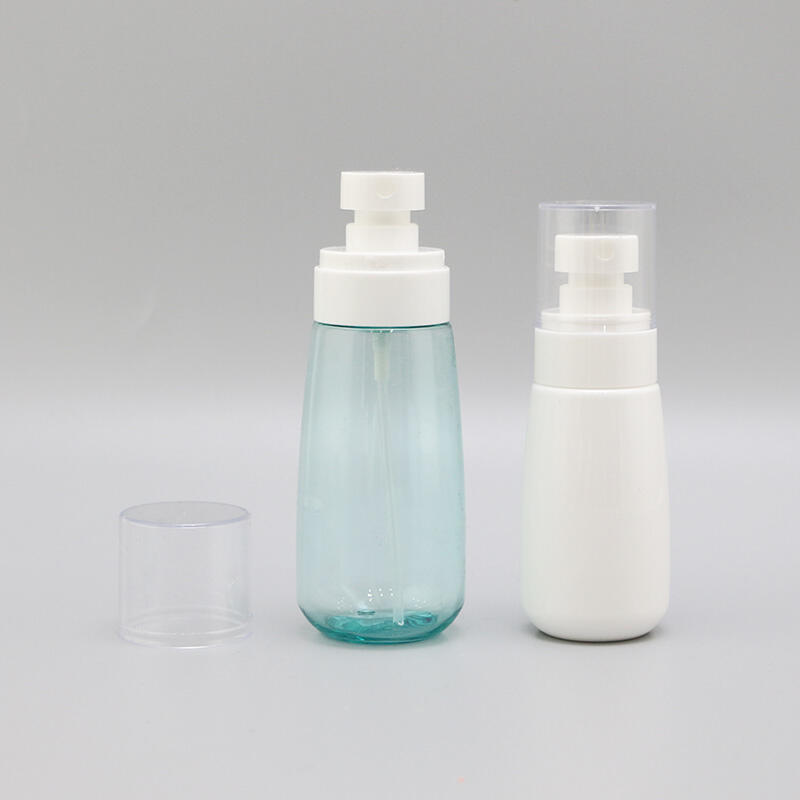
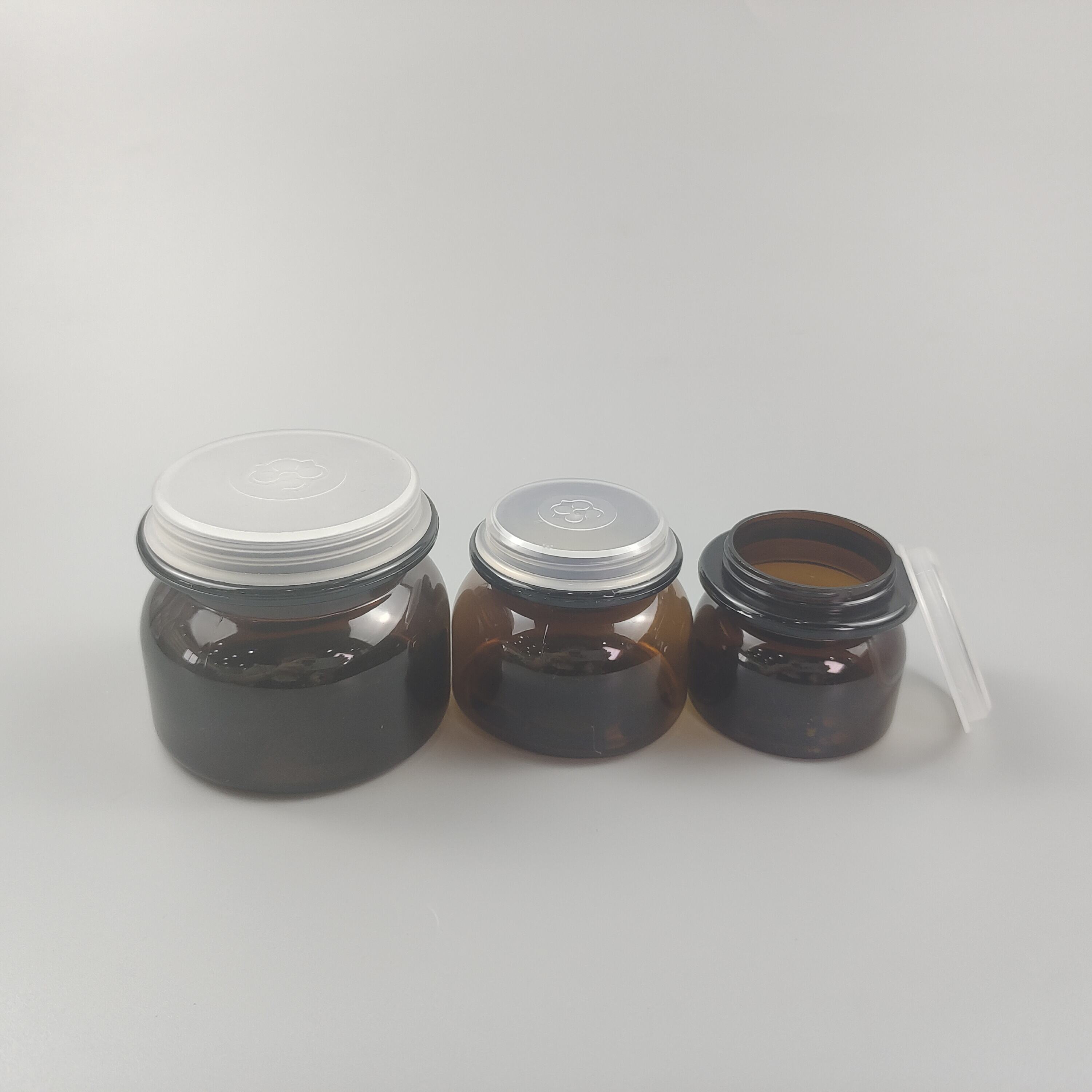
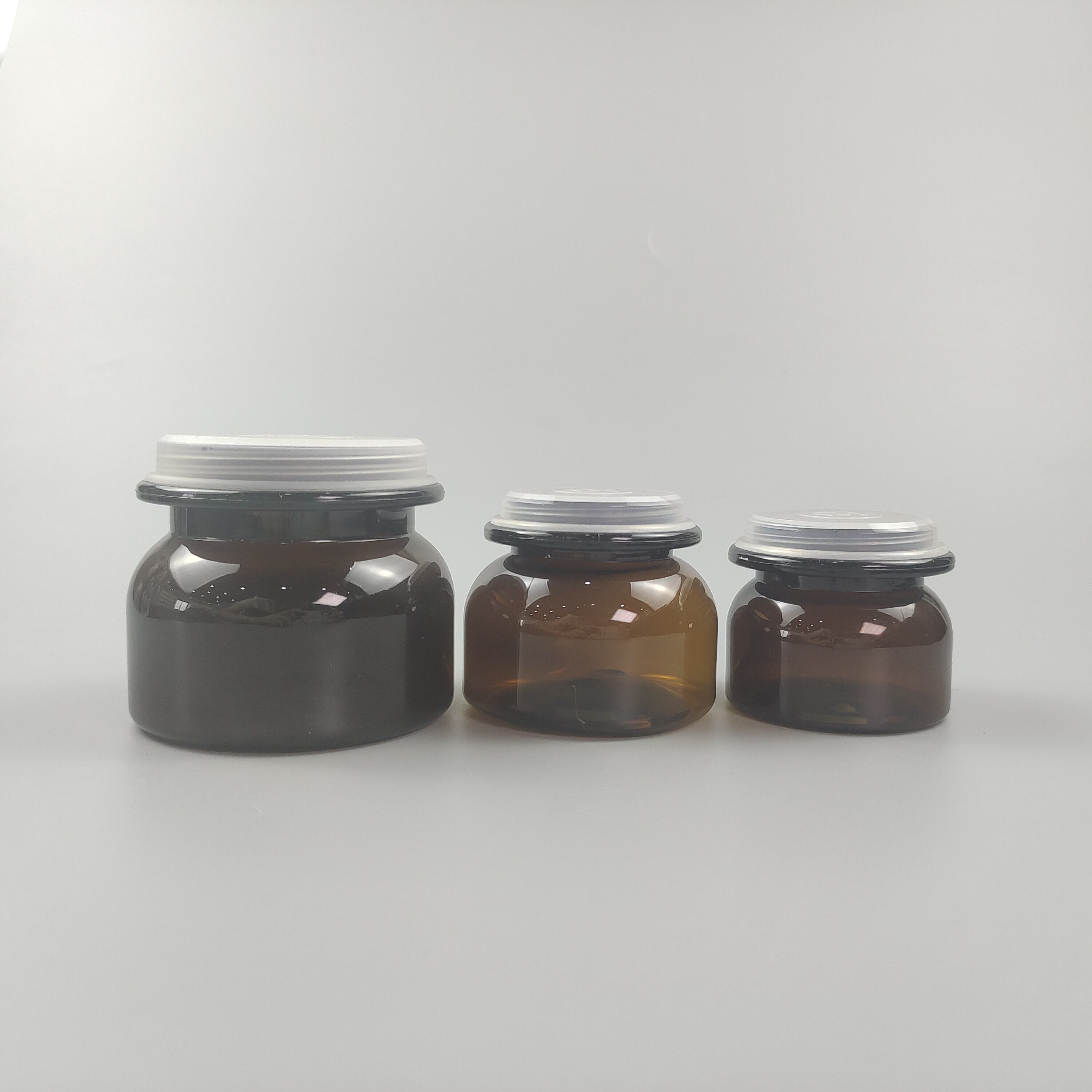
Plastic bottles and jars represent essential packaging solutions that have revolutionized the storage, transportation, and preservation of countless products across multiple industries. These versatile containers are manufactured using advanced polymer technologies, primarily employing materials such as polyethylene terephthalate (PET), high-density polyethylene (HDPE), and polypropylene (PP). The main functions of plastic bottles and jars encompass product protection, extended shelf life maintenance, contamination prevention, and consumer convenience enhancement. These containers excel at creating barrier properties that shield contents from environmental factors including moisture, oxygen, light, and temperature fluctuations. The technological features of modern plastic bottles and jars incorporate sophisticated manufacturing processes like injection molding, blow molding, and extrusion techniques that ensure consistent wall thickness, optimal structural integrity, and precise dimensional accuracy. Advanced closure systems including screw caps, snap-on lids, and tamper-evident seals provide secure containment while facilitating easy access for end users. The applications for plastic bottles and jars span numerous sectors including food and beverage, pharmaceutical, cosmetic, chemical, and household product industries. In food packaging, these containers preserve freshness, maintain nutritional value, and prevent spoilage of items ranging from sauces and condiments to beverages and dairy products. Pharmaceutical applications utilize specialized plastic bottles and jars designed to protect medications from degradation while ensuring child-resistant safety features. Cosmetic and personal care products benefit from the aesthetic flexibility and functional performance that plastic containers provide. The manufacturing process incorporates quality control measures, sterile production environments, and regulatory compliance standards that guarantee product safety and reliability. Modern plastic bottles and jars also feature recyclability characteristics that support environmental sustainability initiatives, with many products designed for circular economy principles that reduce waste and promote resource conservation.


New Product Recommendations

Plastic bottles and jars deliver exceptional value through their lightweight construction, which significantly reduces shipping costs and handling complexity compared to traditional glass alternatives. This weight advantage translates directly into cost savings for manufacturers and distributors while minimizing carbon footprint during transportation. The durability of plastic bottles and jars ensures products remain intact throughout the supply chain, reducing breakage rates and associated losses that commonly occur with fragile packaging materials. These containers resist impact, dropping, and rough handling conditions that would typically damage heavier packaging options. The design flexibility of plastic bottles and jars allows manufacturers to create custom shapes, sizes, and aesthetic appearances that enhance brand recognition and consumer appeal. This moldability enables unique bottle contours, ergonomic grips, and specialized dispensing features that improve user experience and product differentiation. Cost-effectiveness represents another significant advantage, as plastic bottles and jars require lower initial investment and production expenses compared to glass or metal alternatives. The manufacturing efficiency of plastic containers allows for high-volume production with consistent quality control, resulting in economies of scale that benefit both producers and consumers. Chemical resistance properties of modern plastic bottles and jars provide excellent protection against corrosive substances, acids, and aggressive formulations that might compromise other packaging materials. This chemical compatibility ensures product integrity and extends shelf life for sensitive formulations. The clarity and transparency options available in plastic bottles and jars allow consumers to view product contents, enhancing trust and purchase decisions while maintaining protective barrier properties. Temperature tolerance of these containers accommodates various storage conditions and processing requirements including hot-fill applications, refrigeration, and ambient storage without structural compromise. Safety features of plastic bottles and jars include tamper-evident seals, child-resistant closures, and FDA-approved materials that meet stringent food contact regulations. These safety measures protect consumers while ensuring compliance with industry standards and regulatory requirements. The recyclability of modern plastic bottles and jars supports environmental sustainability goals, with many products designed for post-consumer recycling programs that reduce landfill waste and promote circular economy principles.

Latest News

Continuous development of portable and multifunctional cosmetic packaging

25

Nov

Continuous development of portable and multifunctional cosmetic packaging

The Evolution of Portable Multifunctional Cosmetic Packaging Looking back at how cosmetic packaging has changed over time shows quite a transformation from old fashioned stuff to what we see today. Back in ancient times people used pretty basic stora...
View More
How to Customize All Plastic Trigger Sprayers for Your Brand

25

Nov

How to Customize All Plastic Trigger Sprayers for Your Brand

Evaluating Brand Objectives for Trigger Sprayer Customization Defining Target Applications (Home, Garden, Automotive) Customizing trigger sprayers means thinking about what they'll actually be used for in different settings. At home, most people gra...
View More
Why Powder Compact Packaging Matters for Cosmetic Products

13

Mar

Why Powder Compact Packaging Matters for Cosmetic Products

Why Powder Compacts Are Ideal for Elegant Makeup Packaging In the world of cosmetics, packaging plays a pivotal role in both the product’s protection and the brand's presentation. Among the many packaging options available, powder compacts stan...
View More
What Are the Benefits of Using Airless Bottles for Luxury Brands?

08

Jan

What Are the Benefits of Using Airless Bottles for Luxury Brands?

Luxury cosmetics and skincare brands continuously seek innovative packaging solutions that preserve product integrity while enhancing brand perception. Airless bottles have emerged as a premium packaging choice that addresses both functional requirem...
View More

Get a Free Quote

Our representative will contact you soon.
Email
Name
Company Name
Required Product
Products you're interested in
Message
0/1000

plastic bottles and jars

Superior Barrier Protection Technology

Superior Barrier Protection Technology

The barrier protection technology integrated into modern plastic bottles and jars represents a breakthrough in packaging science that ensures optimal product preservation and extended shelf life. This advanced technology creates multiple protective layers that shield contents from environmental threats including oxygen permeation, moisture infiltration, ultraviolet radiation exposure, and volatile compound migration. The molecular structure of specialized plastic resins forms tight barriers that prevent degradation-causing elements from reaching stored products, maintaining quality, potency, and freshness throughout the entire product lifecycle. Oxygen barrier properties are particularly crucial for products sensitive to oxidation, such as oils, pharmaceuticals, and beverages, where exposure can lead to rancidity, potency loss, or flavor deterioration. Moisture barrier capabilities protect hygroscopic materials, powders, and moisture-sensitive formulations from humidity-related degradation that can compromise product efficacy and safety. The UV protection features of tinted plastic bottles and jars prevent photodegradation of light-sensitive ingredients, preserving color stability, nutritional content, and active compound integrity. This barrier technology extends far beyond basic containment, incorporating advanced polymer science that creates selective permeability characteristics tailored to specific product requirements. The multilayer construction techniques used in premium plastic bottles and jars combine different resin types to optimize barrier performance while maintaining structural integrity and processing efficiency. These sophisticated barrier systems reduce waste by preventing premature product deterioration, supporting sustainability goals while ensuring consumers receive products at peak quality. The testing and validation processes for barrier performance involve accelerated aging studies, permeation rate measurements, and shelf life extension verification that demonstrate measurable benefits. This technology investment translates into tangible value for manufacturers through reduced product returns, extended distribution capabilities, and enhanced brand reputation for quality and reliability.
Exceptional Design Versatility and Customization Options

Exceptional Design Versatility and Customization Options

The design versatility and customization capabilities of plastic bottles and jars provide unmatched flexibility for brands seeking distinctive packaging solutions that align with specific functional requirements and aesthetic preferences. This adaptability stems from the thermoplastic properties of polymer materials that allow for complex molding processes, intricate detail reproduction, and innovative structural modifications that would be impossible or cost-prohibitive with alternative packaging materials. The injection molding and blow molding technologies used in plastic container production enable precise control over wall thickness distribution, surface texture, and dimensional accuracy while accommodating complex geometries and functional features. Brand differentiation becomes achievable through custom bottle shapes that reflect product identity, ergonomic considerations, and consumer usage patterns, creating memorable packaging experiences that enhance market positioning and purchase appeal. Color customization options span the complete spectrum, from crystal-clear transparency that showcases product contents to opaque formulations that provide light protection, with specialized effects including metallic finishes, gradient transitions, and multi-colored designs that capture consumer attention. Functional design elements integrate seamlessly into the container structure, including measured pour spouts, grip enhancement features, stackable configurations, and specialized closure interfaces that improve user experience while maintaining packaging integrity. The scalability of plastic bottle and jar manufacturing allows for consistent design reproduction across various sizes within product lines, ensuring brand continuity from sample sizes to bulk containers while optimizing filling equipment compatibility and supply chain efficiency. Advanced decorating techniques including in-mold labeling, heat transfer applications, and digital printing capabilities enable sophisticated graphics, regulatory information display, and brand messaging that rivals traditional labeling methods while reducing application steps and material waste. Prototyping capabilities allow rapid design iteration and market testing of new concepts before committing to production tooling, reducing development risk and accelerating time-to-market for innovative packaging solutions. This design freedom empowers brands to create packaging that tells their story, reflects their values, and connects with target audiences through visual and tactile elements that enhance the overall product experience.
Environmental Sustainability and Recycling Excellence

Environmental Sustainability and Recycling Excellence

The environmental sustainability and recycling excellence of modern plastic bottles and jars represent a fundamental shift toward responsible packaging practices that address global environmental concerns while maintaining superior product protection and performance characteristics. Contemporary plastic container manufacturing incorporates post-consumer recycled content, bio-based materials, and design-for-recycling principles that minimize environmental impact throughout the entire product lifecycle from raw material extraction to end-of-life processing. The lightweight nature of plastic bottles and jars significantly reduces transportation emissions, fuel consumption, and carbon footprint compared to heavier alternative packaging materials, with weight reductions of up to 90 percent compared to glass equivalents translating into substantial environmental benefits across global distribution networks. Recycling infrastructure for plastic containers has evolved to support efficient collection, sorting, and reprocessing systems that transform used bottles and jars into new packaging materials or alternative products, creating closed-loop systems that reduce virgin material consumption and landfill diversion. The chemical recycling technologies emerging in the plastics industry enable molecular-level breakdown and reformation of polymer chains, allowing for unlimited recycling cycles without quality degradation that traditionally limits mechanical recycling processes. Material innovation in plastic bottle and jar production includes biodegradable options, compostable alternatives, and ocean-bound plastic recovery programs that address specific environmental challenges while maintaining functional performance requirements. The design optimization of plastic containers focuses on material reduction through lightweighting initiatives, elimination of unnecessary components, and integration of recycled content percentages that exceed industry standards while preserving structural integrity and barrier properties. Life cycle assessment studies demonstrate the environmental advantages of plastic bottles and jars across multiple impact categories including energy consumption, greenhouse gas emissions, water usage, and waste generation when compared to alternative packaging materials throughout their complete lifecycle. Consumer education and recycling program participation have increased significantly, with clear recycling symbols, material identification codes, and disposal guidelines that facilitate proper end-of-life handling and processing. The circular economy principles embedded in modern plastic bottle and jar design create value retention systems that transform waste into resources, supporting sustainable business models and environmental stewardship goals that benefit current and future generations.
Email Email WhatsApp WhatsApp WeChat WeChat
WeChat
TopTop